Meta layoffs this week highlight AI challenges within Zuckerberg’s firm
This week, Meta initiates layoffs, projecting 8,000 job cuts as employees prepare for an AI-driven future
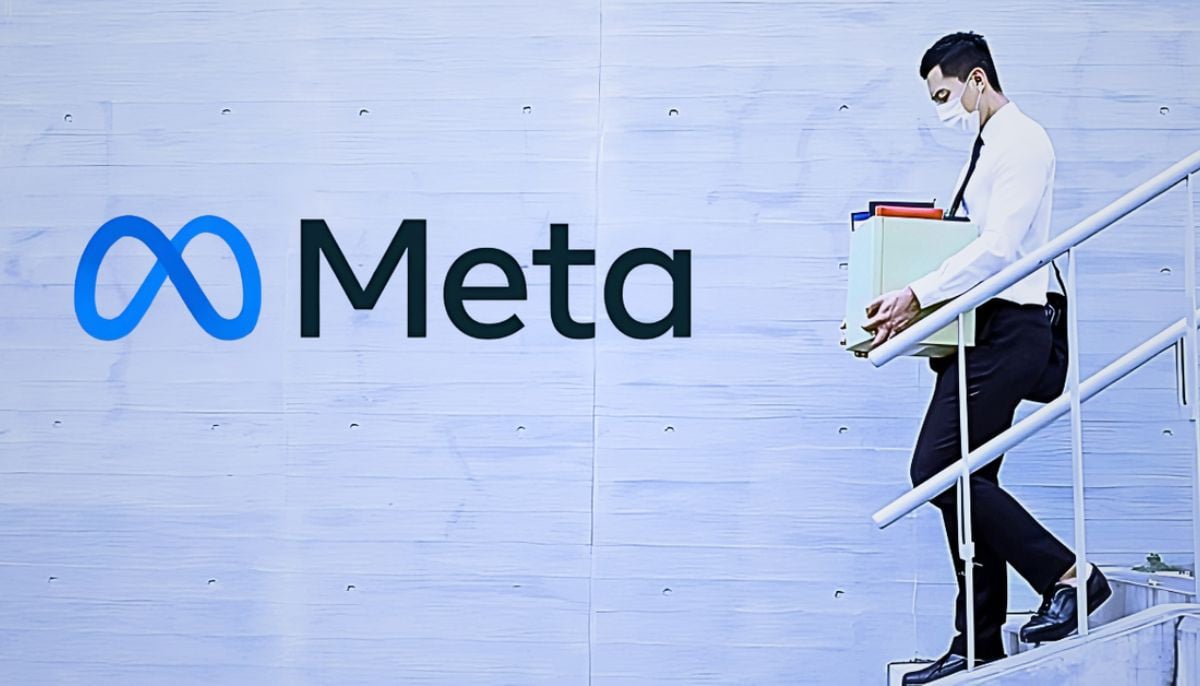
When Meta CEO Mark Zuckerberg informed the staff back in late 2022 about the decision to cut 11,000 jobs, which would soon widen to 21,000, he admitted mistakes in hiring too many during the pandemic.
"I made an error in judgement, and I am accountable for it," Zuckerberg mentioned in a announcement to the workforce in November, while the company shares were tanking. In early 2023, he announced the downsizing was necessary for Meta's "year of efficiency."
More than three years later, as the new phase of mass layoffs is about to embark this week, there's an evident shift in approach from the top. Commencing Wednesday, Meta is slashing about 10% of its workforce, approximately 8,000 jobs.
The company's also decided not to hire for 6,000 open positions, based on a note concerning the job cuts in April.
The current reduction follows a cut of roughly 1,000 roles in January within Meta's Reality Labs unit, and further downsizing in March impacting more employees and the move from external vendors and contractors focused on content moderation.
Simultaneously, Meta is intensifying its focus on artificial intelligence, increasing its 2026 capital expenditure projection by up to $10 billion, reaching as high as $145 billion.
While revealing the upcoming layoffs, Meta communicated to the team that all reductions are "part of our ongoing endeavor to operate more efficiently and support the other investments we're pursuing."
Internally, there's a growing feeling of unease across large sections of the firm, according to current and former Meta staff who requested anonymity to speak openly. This stems partly from anticipated cuts later in the year, with one potential round of redundancies in August and another projected before year's end, some insiders reported.
Finance lead Susan Li stated during the first-quarter earnings call that the management "is uncertain about the ideal company size in the future." Discussing AI investments, Li acknowledged, "our experiences indicate we have consistently underestimated our computational demands, despite significantly expanding capacity as AI advances proceed and our teams continue uncovering promising new projects and initiatives."
Within the tech sector, employees observe as stock values surge and AI companies reach colossal appraisals, while employers simultaneously cut jobs due to the rapidly advancing capabilities of AI. This year, there have been nearly 110,000 layoffs at 137 tech firms, suggests Layoffs.fyi, following around 125,000 cuts last year.
At this rate, job cuts could rival the peak seen in 2023, when the tech industry faced over 260,000 layoffs, owing to tech and digital media organisations adjusting after the Covid hiring spree.
'Machines taking over jobs'
Umesh Ramakrishnan, the chief strategy officer at recruitment firm Kingsley Gate, believes the current trend of AI displacing jobs is challenging for employees, but welcomed by shareholders.
"It's more palatable to tell someone, 'Hey, I made a mistake by hiring excessively,'" stated Ramakrishnan. "Today, everyone understands machine replacement of jobs, and if you're not pursuing this, shareholders become disgruntled."
Cisco is the most recent tech titan to announce similarly, informing shareholders during quarterly results that it was cutting less than 4,000 roles.
"The winners in the AI era will be those with sharp focus, urgency, and discipline to constantly direct resources toward areas with the greatest demand and long-term value," Chuck Robbins, Cisco's CEO, declared in a post, titled "Our path forward."
Cisco stock jumped more than 13% on Thursday, marking their strongest day since 2011, after revealing stronger-than-expected performance and raising its AI infrastructure outlook.
Wall Street still questions Meta's strategy, notably because the firm's AI plans have been described as framed and are primarily still evolving. The stock has decreased by roughly 7% so far this year and nearly 5% over the past year, trailing behind most of its large-cap counterparts apart from Microsoft.
The concern felt by investors is magnified within the company, with some veteran staff reconsidering Meta's AI direction under AI head Alexandr Wang, while contemplating whether now is the time to pursue alternative opportunities with other companies involved in the AI space, current and former employees disclosed.
Information compiled by Blind, an anonymous professional network requiring user verification with a work email, shares insights on the internal discontent.
Meta's total rating by workers on Blind has plummeted 25% from its peak in the second quarter of 2024 to this present quarter, with a 39% slump in its cultural rating. Outside of compensation, Meta underachieves competitors like Amazon, Google, and Netflix, the Blind data reveals.
The company's earnest approach with AI saw the introduction of a new employee monitoring tool designed to gather information from staff actions, such as mouse movements and typing activities on workstations. Known as the Model Capability Initiative (MCI), this is Meta's step towards training AI models aiming to empower digital agents capable of handling various coding and office tasks.
Employees have dubbed the monitoring tool "dystopian," according to communications reviewed by CNBC, with some workers fearing personal data might be misused. Some staff reported their workplace computers seemed slower since the project's initiation, adding to their frustration, sources indicated.
Meta employees responded by launching an online petition urging Zuckerberg and the leadership to discontinue the project.
"Gathering and repurposing this type of data raises significant questions about privacy, consent, and trust within the workplace," reads the petition. "Companies shouldn't exploit their staff by nonconsensually extracting data for AI training purposes."
Leo Boussioux, an assistant lecturer in information systems at the University of Washington's Foster School of Business, remarked that Meta is one among many firms currently reviewing workforce and operations to adjust to "AI's transformative impact on work processes."
Boussioux suggested that one aim might be to instill worry or pressure, using AI-related threats and cuts as "a tactic to drive a cultural shift." But, he proposed it might also show "ineffective management that doesn’t know how to implement this more comfortingly for the workforce."