Which meditation technique works best for anxiety and stress?
Mindfulness meditation requires no special tools and can be practised in just a few minutes each day
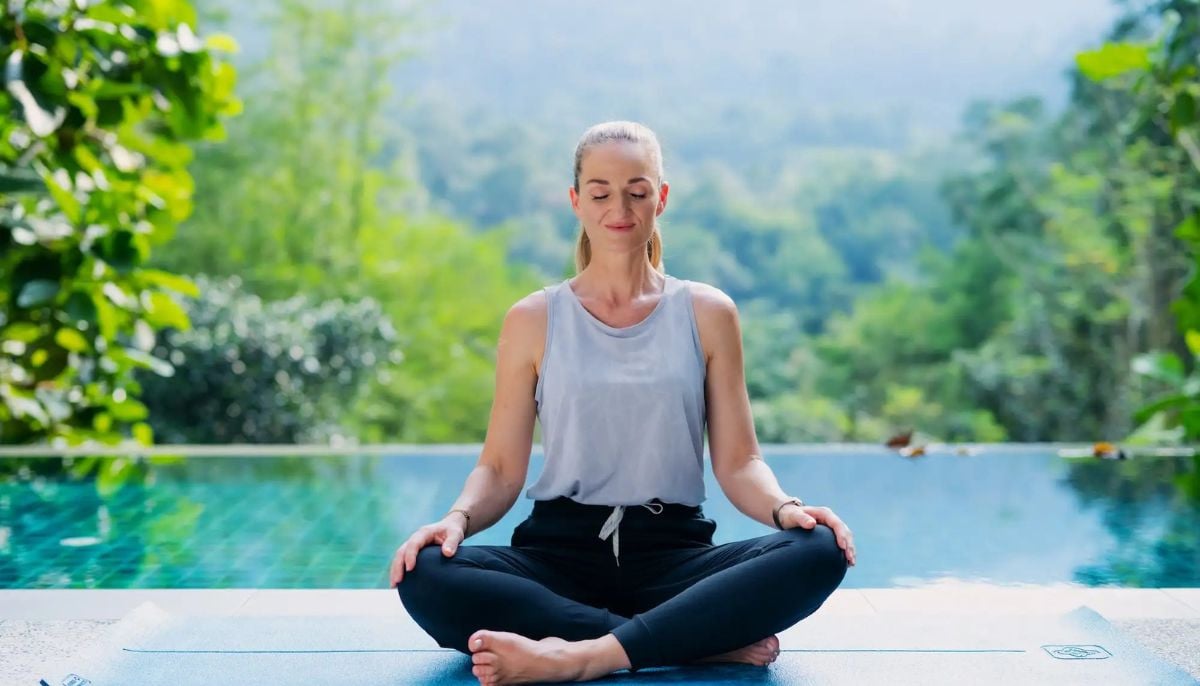
Meditation is widely regarded as one of the most accessible practices for managing anxiety and stress. From guided sessions on smartphone applications to breathing exercises shared across social media, the range of techniques promising a sense of calm is vast. But with so many options available, a natural question arises: does one meditation style stand above the rest?
No universal answer, but a widely recommended starting point
According to experts, there is no single definitive answer. Different people respond to different approaches, and what brings relief to one individual may not prove as effective for another.
That said, mindfulness meditation is frequently recommended as a first port of call. According to the Mayo Clinic, mindfulness meditation centres on paying attention to the present moment without judgement. Rather than attempting to suppress anxious thoughts, practitioners are encouraged to observe them and gently redirect their attention back to the present.
Why mindfulness meditation suits everyday life
Part of the reason mindfulness meditation is so widely endorsed is its accessibility. It requires no special equipment, and sessions can be as brief as a few minutes. According to the Cleveland Clinic, regular meditation practice may help reduce stress levels and support overall emotional wellbeing.
Whilst it is not a cure for anxiety, many people find that it cultivates greater awareness of their own thought patterns and a reduced tendency to react impulsively to them.
Other techniques worth exploring
Mindfulness is far from the only viable approach. Some individuals respond more readily to body scan meditation, which involves gradually directing awareness to different areas of the body and noticing where tension is held.
Others find breath-focused meditation more effective, placing attention on slow, steady breathing. Guided meditation is another popular choice, particularly for beginners who benefit from being walked through the process by an instructor.
The consensus among experts is that the goal is not to identify a "perfect" technique, but rather to find one that feels sustainable enough to practise with regularity.
The best meditation is often the one you will stick with
For those new to meditation, the temptation to seek out the method that promises the quickest results is understandable. Experts, however, suggest a different perspective. Meditation is a skill that develops gradually over time, much like physical exercise. There will be sessions that feel effortless, and others where the mind seems particularly restless — neither experience signals that something is being done incorrectly.
Ultimately, the most effective meditation technique for anxiety may simply be the one that slots naturally into daily life and creates a few moments of stillness each day.
Whether that takes the form of mindfulness, breathwork, a body scan or guided practice, consistency holds greater value than perfection. Over time, those small pockets of awareness can accumulate, building a greater capacity to meet stress with patience and composure.
Disclaimer: This article is for informational purposes only. Reader's discretion is advised.