Anthropic CEO says mass AI job losses could be structural, not temporary
Amodei warns mass displacement may be structural and calls for wage insurance and UBI measures
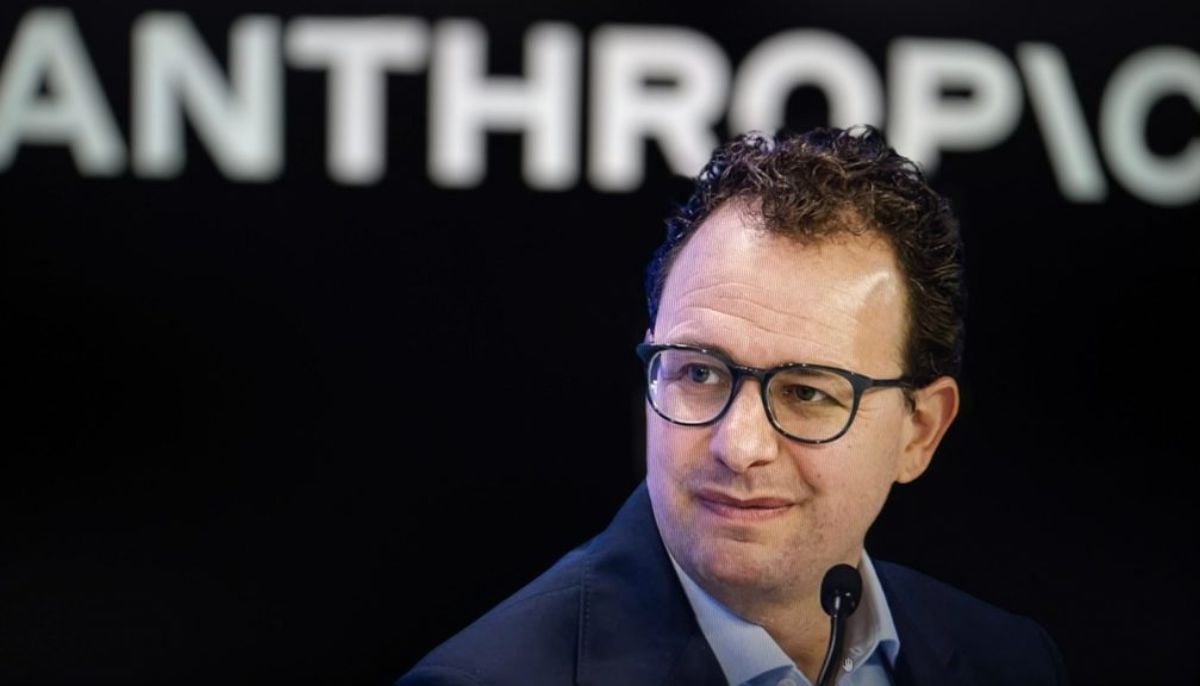
Anthropic Chief Executive Officer Dario Amodei has warned in a new policy essay that AI-related job losses may not be a temporary side effect of the technology's rise — they could be a structural consequence of how it is built to work.
Business Insider reported on the essay, in which Amodei wrote that there is a "decent possibility" that AI could cause "significant enduring job loss," and that this outcome "may be an intrinsic property of the technology and the way it broadly replicates human cognition."
A feature, not a bug
The argument reframes one of the industry's most contentious debates. Because AI systems are explicitly designed to take on cognitive tasks performed by humans, Amodei suggests that widespread job losses may not simply reflect bad corporate decisions or short-term market disruption — they may be an unavoidable result of the technology working exactly as intended. It is a significant departure from the line taken by many executives, who have tended to frame displacement as a manageable and temporary adjustment.
Amodei has raised similar alarms before. He previously warned that AI could eliminate half of all entry-level white-collar jobs within five years and push unemployment to between 10 and 20 per cent, calling on companies and policymakers to stop "sugarcoating" the risk. His latest essay is less focused on projecting a specific outcome than on laying out what governments should do if permanent displacement does arrive.
Slow the damage, share the gains
Amodei's proposed response rests on two pillars: limiting the harm and distributing the benefits more widely. On the immediate front, he called for improved government measurement and tracking of AI's effects on the labour market, alongside "pro-employment incentives" including wage insurance for workers forced into lower-paying roles, retention tax incentives for employers, workforce training grants and better job-matching infrastructure.
If AI permanently reduces demand for human labour, he argued, governments may need to go further still. Options he floated include long-term income support in the form of universal basic income, financed through taxes on relevant companies or higher capital gains taxes, as well as universal capital accounts designed to broaden access to AI-generated wealth.
A shift in tone across the industry
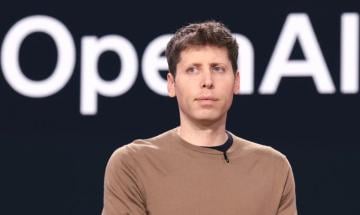
The essay arrives at a moment when some of the most prominent voices in AI — including OpenAI Chief Executive Officer Sam Altman — have shifted their public messaging away from disruption warnings and towards productivity gains and new economic opportunity.
Business Insider recently reported that several executives who once highlighted AI's potential to displace workers are now spending more time on the upside narrative as their companies prepare for highly anticipated initial public offerings.
Amodei acknowledged the tension in his own essay, noting that Anthropic aims to help corporate clients find new revenue streams and "do more with their existing workforce," rather than treating AI purely as a cost-cutting tool. He maintained, however, that if the technology's potential upside is as significant as he believes, society must have a plan in place for workers who may not automatically share in that prosperity.