Occasional smoking still raises heart and cancer risks, doctor warns
Medical expert reveals there is no safe level of smoking and urges complete tobacco avoidance
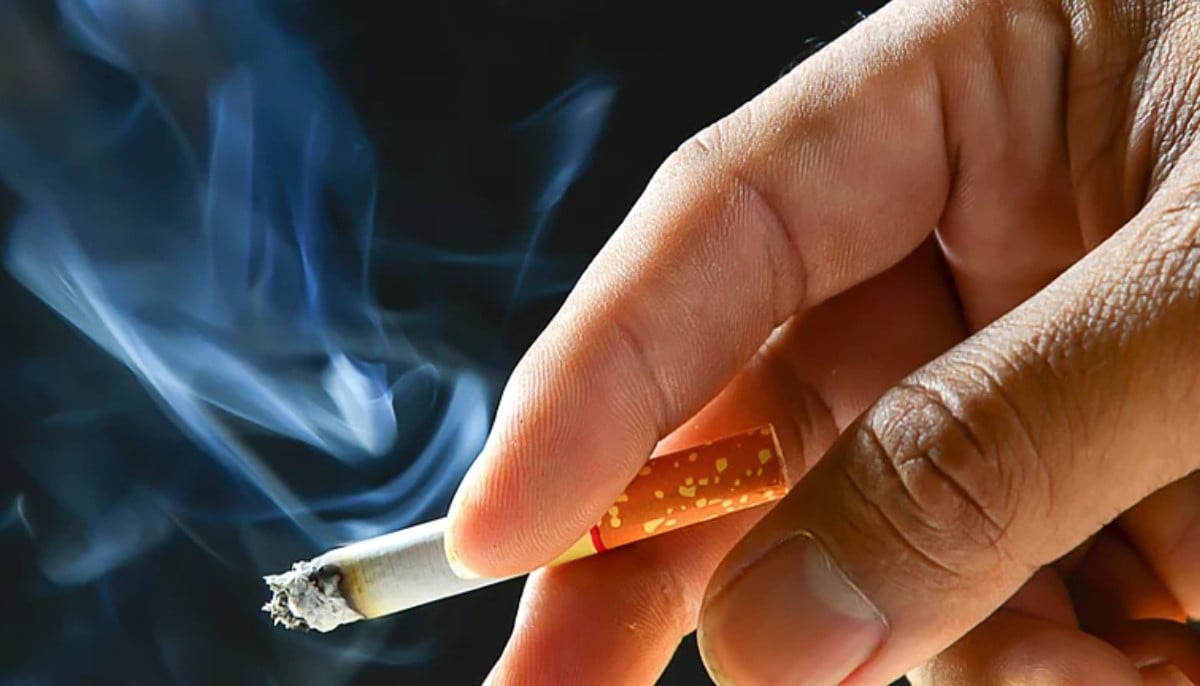
Health experts are warning that even occasional smoking can cause measurable harm to the body, with risks to the heart, lungs and long-term disease development.
Speaking to HT Lifestyle, Dr Aravind Badiger said that the belief that “social” or infrequent smoking is harmless is a misconception, as even a single cigarette exposes the body to toxic substances.
“Even occasional smoking entails inhaling harmful components, including nicotine, carbon monoxide, and tar,” he said.
Even one cigarette can trigger cardiovascular stress
Dr Badiger said the effects of smoking begin almost immediately after inhalation, even if use is infrequent and not habitual.
He noted that nicotine and other chemicals can affect the cardiovascular system and respiratory tract shortly after exposure, even when no immediate symptoms are felt.
According to him, research shows that occasional smokers still face a higher risk of heart disease compared with non-smokers.
Health risks associated with intermittent smoking include increased blood pressure, damage to the respiratory system, higher likelihood of stroke and heart attack, susceptibility to cancer-causing chemicals and the potential for nicotine addiction.
Occasional smoking can lead to regular dependence
The doctor also warned that occasional smoking often develops into regular use due to nicotine’s highly addictive nature.
He said many individuals underestimate how quickly the body can develop cravings, increasing the likelihood of long-term dependency.
Second-hand smoke exposure, he added, also poses significant risks to non-smokers, particularly children and older adults, increasing their chances of respiratory illness.
Doctors urge complete tobacco avoidance
Dr Badiger said the safest approach is to avoid tobacco entirely and adopt healthier coping mechanisms instead of smoking.
He advised individuals to explore alternatives for stress management, educate themselves on the risks of even occasional smoking and maintain smoke-free environments at home and work.
“It’s high time to ditch the idea that only a couple of cigarettes will be okay,” he said. “The truth is that all cigarettes have an impact on your body, even when you smoke them occasionally.”
Experts continue to emphasise that no level of smoking is considered safe for long-term health.
Note to readers: This article is for informational purposes only and not a substitute for professional medical advice. Always seek the advice of your doctor with any questions about a medical condition.