Experts shares 7 functional foods that may help improve gut health
Yogurt, berries and other nutrient-rich foods may support digestion and gut bacteria
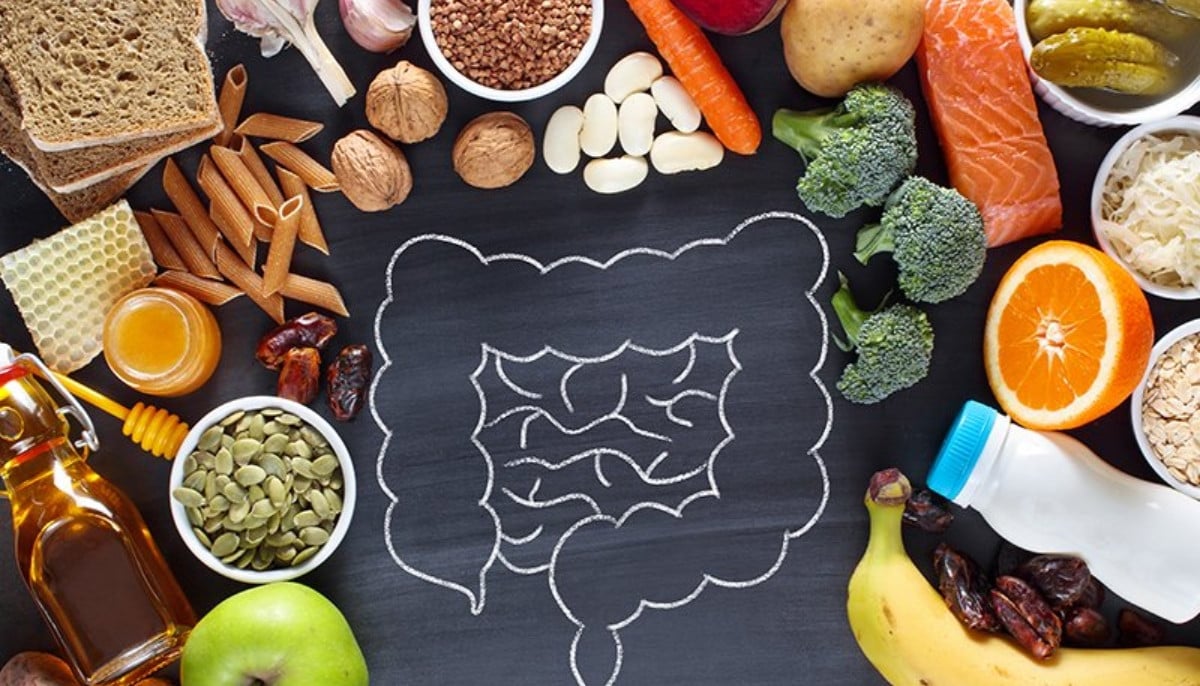
Functional foods can offer benefits beyond basic nutrition, and several commonly available options may help promote a healthier digestive system. Foods rich in fibre, probiotics and fermented compounds have been linked to improved digestion, bowel regularity and a more balanced gut microbiome.
Here are seven functional foods that experts say may support gut health.
Yogurt Provides Beneficial Probiotics
Yogurt is one of the most widely recognised gut-friendly foods because many varieties contain probiotics — live microorganisms that may benefit digestive health when consumed in adequate amounts.
These beneficial bacteria can help support digestion and contribute to a healthier gut microbiome, the community of microorganisms living in the gastrointestinal tract. Experts recommend choosing yogurts labelled with “live and active cultures,” which often contain strains such as Lactobacillus and Bifidobacterium.
Yogurt can be enjoyed on its own or paired with fruit, nuts and seeds for an additional fibre boost.
Sauerkraut May Increase Good Gut Bacteria
Traditional sauerkraut is produced through natural fermentation, a process that encourages the growth of lactic acid bacteria. These microorganisms may help increase the diversity of beneficial bacteria in the digestive tract.
Research also suggests fermented cabbage can produce short-chain fatty acids, compounds associated with gut barrier health and reduced inflammation.
Not all sauerkraut products contain live bacteria, however. Many commercially available varieties are pasteurised, though some studies indicate even pasteurised fermented foods may still offer digestive benefits.
Bananas Contain Prebiotic Fibre
Bananas, particularly when slightly underripe, are a source of resistant starch, a type of fibre that acts as a prebiotic by feeding beneficial gut bacteria.
This process supports the production of short-chain fatty acids, which play an important role in maintaining digestive and overall health.
Bananas may also help soothe temporary stomach discomfort by encouraging mucus production in the stomach, creating a protective barrier against stomach acid.
Asparagus Helps Feed Healthy Gut Microbes
Asparagus contains inulin, a prebiotic fibre that helps nourish beneficial bacteria in the digestive tract.
The vegetable is also a good source of vitamin K, which emerging research suggests could play a role in supporting gut health and reducing inflammation.
Asparagus can be roasted, grilled, steamed or added to salads, pasta dishes and grain bowls.
Avocados May Improve Gut Bacteria Diversity
Rich in fibre and nutrients, avocados may help support the growth of beneficial bacteria in the gut.
One 2021 study involving adults with overweight or obesity found that participants who ate an avocado daily for 12 weeks developed greater gut bacteria diversity and increased levels of beneficial microbes.
Avocados can easily be incorporated into salads, toast, grain bowls and homemade dips.
Berries Deliver Fibre and Polyphenols
Blueberries, strawberries, raspberries and blackberries contain both fibre and polyphenols, plant compounds that may help support digestive health.
Because these nutrients are not fully digested in the stomach, they reach the gut where they can interact with beneficial bacteria. Fibre promotes regular digestion, while polyphenols may contribute to a healthier microbiome.
Adding berries to yoghurt, oatmeal, smoothies or snacks is a simple way to include them in a daily diet.
Bone Broth Shows Potential Gut Health Benefits
Bone broth, made by simmering animal bones for extended periods, contains collagen, minerals and amino acids.
Some research suggests these nutrients may help support gut barrier function and reduce inflammation. Animal studies have also indicated potential benefits for inflammatory bowel conditions, although more human research is needed.
Bone broth can be consumed on its own or used as a base for soups, sauces and cooked grains.
Building a Gut-Friendly Diet
Experts note that improving gut health is less about relying on a single “superfood” and more about consistently eating a variety of fibre-rich and fermented foods.
Incorporating foods such as yogurt, berries, bananas, avocados and fermented vegetables into regular meals may help nourish beneficial gut bacteria and support digestive health over time. When increasing fibre intake, it is generally recommended to do so gradually to minimise digestive discomfort.
Note to readers: This article is for informational purposes only and not a substitute for professional medical advice. Always seek the advice of your doctor with any questions about a medical condition.