Doctor explains why young adults are losing hair earlier than ever before
Metabolic issues and pollution are accelerating hair loss in younger adults, doctor warns
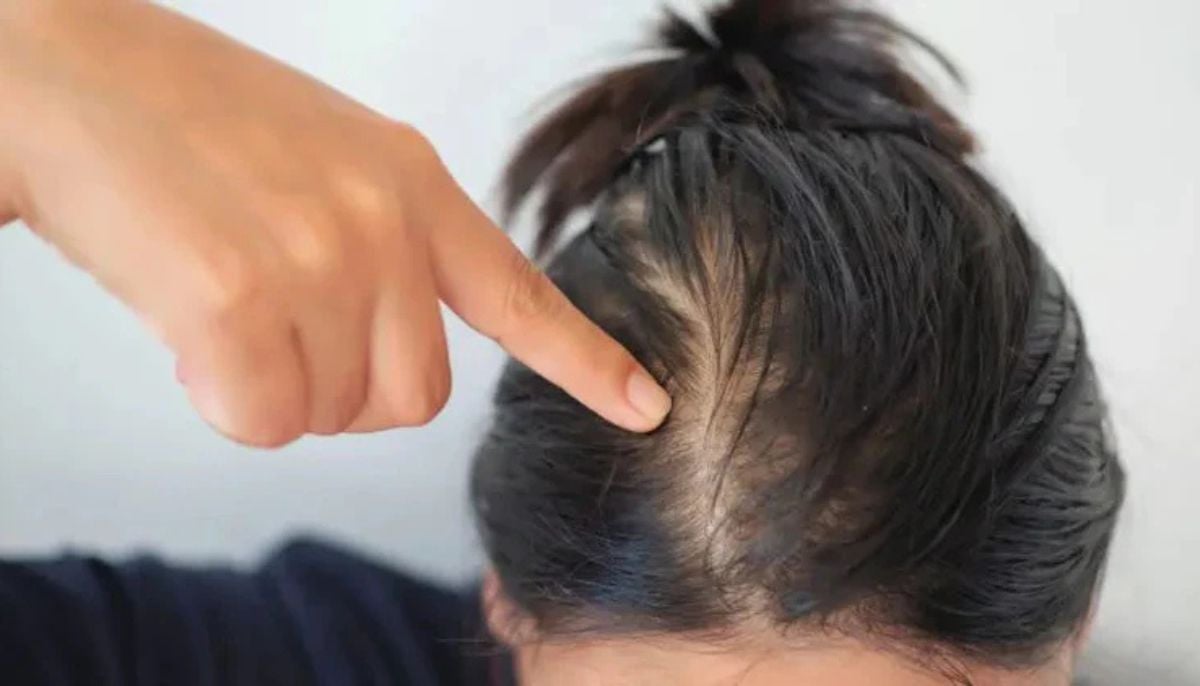
Hair loss is increasingly affecting young adults, and modern lifestyle habits are largely to blame, according to Dr Pradeep Sethi, MD at AIIMS New Delhi and Co-Founder of Eugenix Hair Sciences. What was once considered a natural sign of ageing is now appearing prematurely, driven by a combination of chronic stress, disrupted sleep, poor nutrition and rising pollution levels. Dr Sethi shared his insights with HT Lifestyle, outlining the key factors at play and addressing common misconceptions about hair care.
The stress and sleep cycle
Among the most damaging lifestyle factors is the relationship between stress and sleep deprivation, which Dr Sethi describes as a self-reinforcing cycle that is difficult to break. "Stress and sleep deprivation are not just psychological aspects; they are responsible for various neuroendocrine mechanisms, which are in turn responsible for the normal hair cycle," he said. The impact is also biochemical — "High cortisol levels increase hair loss, which then causes a further increase in the patient's stress. It is bidirectional," he noted.
Diet and nutrition
Alongside managing stress and improving sleep hygiene, maintaining a balanced diet rich in both macro and micronutrients plays an equally important role in preserving hair health. Nutritional deficiencies are among the metabolic issues Dr Sethi identifies as contributing to the early onset of hair loss in younger individuals. A well-rounded diet is not optional — it is a fundamental part of any hair health strategy.
The role of pollution
Pollution has emerged as another significant driver of premature hair loss, with Dr Sethi pointing to a specific set of mechanisms as the cause. The factors responsible include "deposition of particulate matter, oxidative stress and inflammatory response of the scalp," he explained. Left unaddressed, these triggers can lead to either acute excessive hair shedding — known as acute telogen effluvium — or long-term miniaturisation of hair, particularly in those with underlying autoimmune or genetic predispositions.
Three common hair care questions answered
Question: Does hair oiling prevent hair loss?
Answer: Despite being a widely practised habit, hair oiling offers no measurable benefit for hair health, Dr Sethi says. It cannot prevent or reverse hair loss, and its popularity is not backed by clinical evidence.
Question: Does shampooing cause excessive hair loss?
Answer: This is a myth, Dr Sethi states clearly. "On the contrary, cleansing of the scalp is important for a healthy scalp and hair. Shampoo as often as daily or on alternate days," he said. A clean scalp supports, rather than harms, the hair growth cycle.
Question: Does shaving the head make hair grow back thicker?
Answer: Despite being a common practice for young children in many South Asian households, shaving the head has no scientific basis as a method of improving hair thickness, Dr Sethi confirms. "The hair feels thicker as the hair shaft is thicker at the lower ends and tapers as it grows long," he explained. The perception of thicker regrowth is simply a result of how hair naturally tapers along its length.
This article is for informational purposes only and is not a substitute for professional medical advice. Always seek the advice of your doctor with any questions about a medical condition.