7 nail changes you may notice as you get older
Doctors outline seven common nail changes that can occur with age and when to seek medical advice
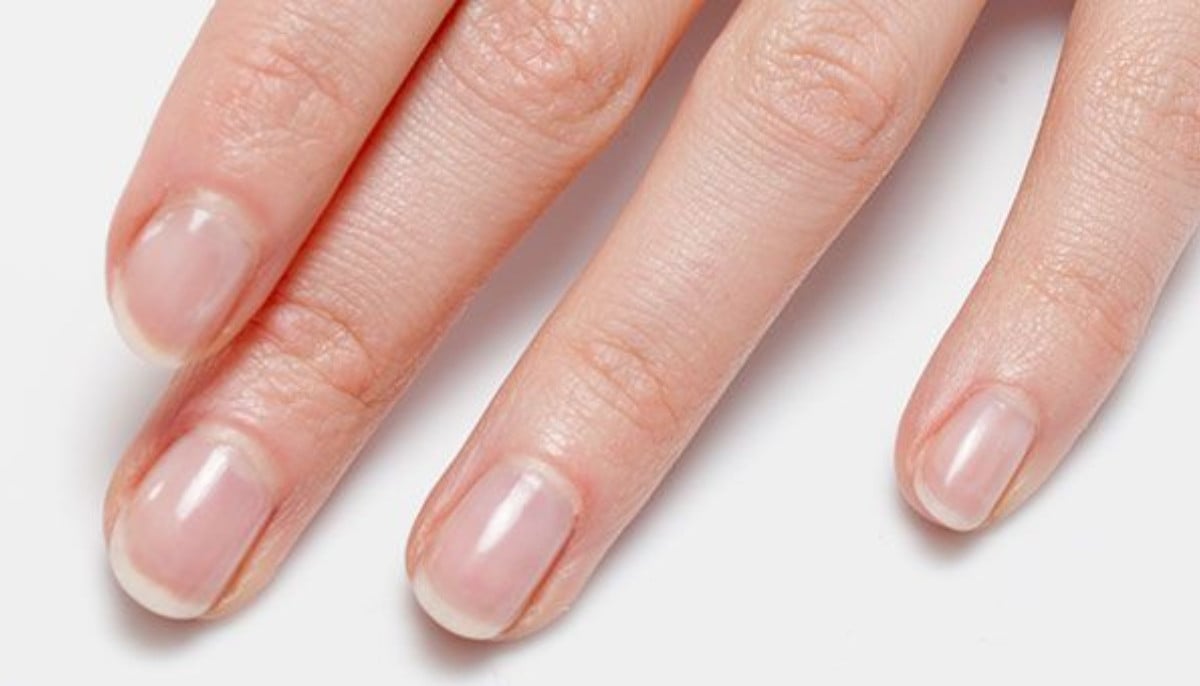
Aging can significantly affect the health and appearance of fingernails and toenails. As people get older, nails often grow more slowly and may change in colour, texture and shape. While many of these changes are a normal part of ageing, some can occasionally signal underlying health conditions.
Noticing differences in how your nails look or grow? It may simply be age-related—but in some cases, it’s worth paying attention.
Here are seven common changes that can occur over time, and when they may warrant medical advice.
1. Growth Slows
Nails are constantly growing, but the rate decreases with age. Fingernails typically grow about 1.8–4.5 millimetres per month, while toenails take significantly longer to fully replace.
As early as age 25, growth may slow by around 0.5% per year, meaning nails may require less frequent trimming over time.
2. Nail Colour Changes
It’s common for nails to become less clear and more opaque with age. Discolouration such as yellowing, greying, or a dull appearance can also develop gradually.
These changes are often harmless but can sometimes reflect underlying health issues.
3. Pigmented Streaks May Appear
Some people develop dark brown or black vertical streaks on the nails, a condition known as longitudinal melanonychia. These lines are more common in people with darker skin tones and may become more noticeable with age.
They are often found on thumbs, index fingers and larger toenails.
4. Nails Become More Brittle
Ageing nails often become drier, more fragile and prone to splitting or ridges. The surface may feel rough or develop visible grooves and texture changes.
This can be influenced by natural ageing, reduced circulation, dehydration of the nail, or frequent exposure to water and chemicals.
5. Nail Thickness May Change
Some nails become thicker over time, while others may thin. Thickening is sometimes linked to fungal infections such as onychomycosis, which is more common in older adults.
In many cases, these changes are harmless but persistent thickening should be monitored.
6. Ingrown Toenails Become More Likely
Ingrown toenails occur when the nail grows into surrounding skin, causing pain, swelling and sometimes infection. While more common in younger people, age-related thickening of nails and foot changes can increase the risk later in life.
7. Nail Shape and Contour Can Shift
The overall shape of nails may change, with sides curving inward or the surface flattening. In some cases, specific patterns may develop, including:
- Spoon-shaped nails (koilonychia)
- Pincer nails
- Clubbing, which can sometimes indicate underlying disease
When to Speak to a Doctor
While nail changes are often normal with age, certain signs may point to health concerns. Slow growth, discolouration, or sudden texture changes can sometimes be linked to infections, nutrient deficiencies, or systemic conditions such as diabetes, thyroid disease or kidney issues.
Dark streaks or significant changes in shape should be evaluated, particularly if they appear suddenly or change over time.
If you are concerned about any changes in your nails, a dermatologist or healthcare professional can help determine whether further evaluation is needed.
Note to readers: This article is for informational purposes only and not a substitute for professional medical advice. Always seek the advice of your doctor with any questions about a medical condition