Visible veins with age? 4 common reasons explained
Visible veins are common with aging, driven by skin and vascular changes, though sometimes linked to health issues
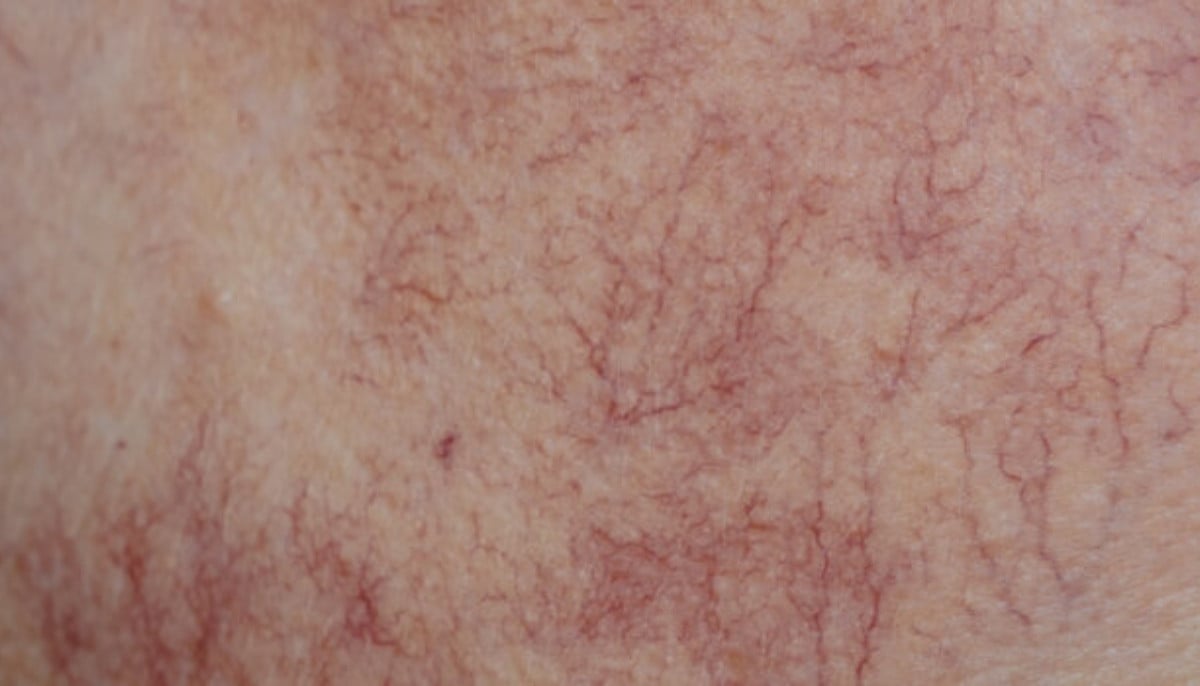
Veins often become more noticeable as people age due to natural changes in the skin, tissues and blood vessels. In most cases, this is a normal part of ageing, although sometimes visible veins can be linked to underlying health conditions that may require medical attention.
Here are four key reasons veins tend to become more visible over time.
1. Skin Becomes Thinner
One of the main reasons veins stand out more with age is that the skin naturally becomes thinner. As this protective layer loses thickness, there is less coverage over the veins underneath, making them easier to see—particularly on the hands and legs.
A gradual reduction in the fat layer beneath the skin also contributes to this effect, leaving veins less cushioned and more visible.
2. Skin Loses Firmness and Elasticity
The skin relies on collagen and elastin to maintain strength and elasticity. Collagen provides structure, while elastin helps skin return to its original shape after stretching.
As we age, the body produces less of these proteins, and existing collagen breaks down over time. This leads to looser, less firm skin that offers reduced support to underlying veins, making them more prominent.
Sun exposure can accelerate this process, as ultraviolet (UV) rays break down collagen more quickly, especially in exposed areas such as the hands and forearms.
3. Changes Occur Inside the Veins
Ageing also affects the veins themselves. The walls of the veins can weaken and lose elasticity, making them more likely to stretch and enlarge.
In addition, tiny one-way valves inside veins may become less effective over time. When these valves fail to close properly, blood can pool in the veins, increasing pressure and causing them to bulge.
This process can lead to conditions such as varicose veins, which are often more visible in the legs.
4. Hormonal Changes Can Contribute
Hormones, particularly estrogen, also play a role in skin and vein health. Estrogen helps support the production of collagen and elastin.
As estrogen levels decline during perimenopause and menopause, the skin may gradually lose firmness and elasticity. This can make veins more visible, especially in women.
When Visible Veins May Need Attention
Visible veins are usually harmless and a normal part of ageing. However, they may sometimes indicate a condition such as chronic venous insufficiency, where blood has difficulty returning to the heart.
It is important to seek medical advice if visible veins are accompanied by symptoms such as pain, swelling, heaviness, skin changes, or sudden warmth and tenderness. These signs may require evaluation and treatment.
In most cases, though, visible veins are simply a natural part of the ageing process and not a cause for concern.
Note to readers: This article is for informational purposes only and not a substitute for professional medical advice. Always seek the advice of your doctor with any questions about a medical condition