Home / Lifestyle
Explore why living in warmer regions increases risks of developing painful stones
Consultant Amit Saple advises monitoring for clear or pale yellow urine to ensure safety
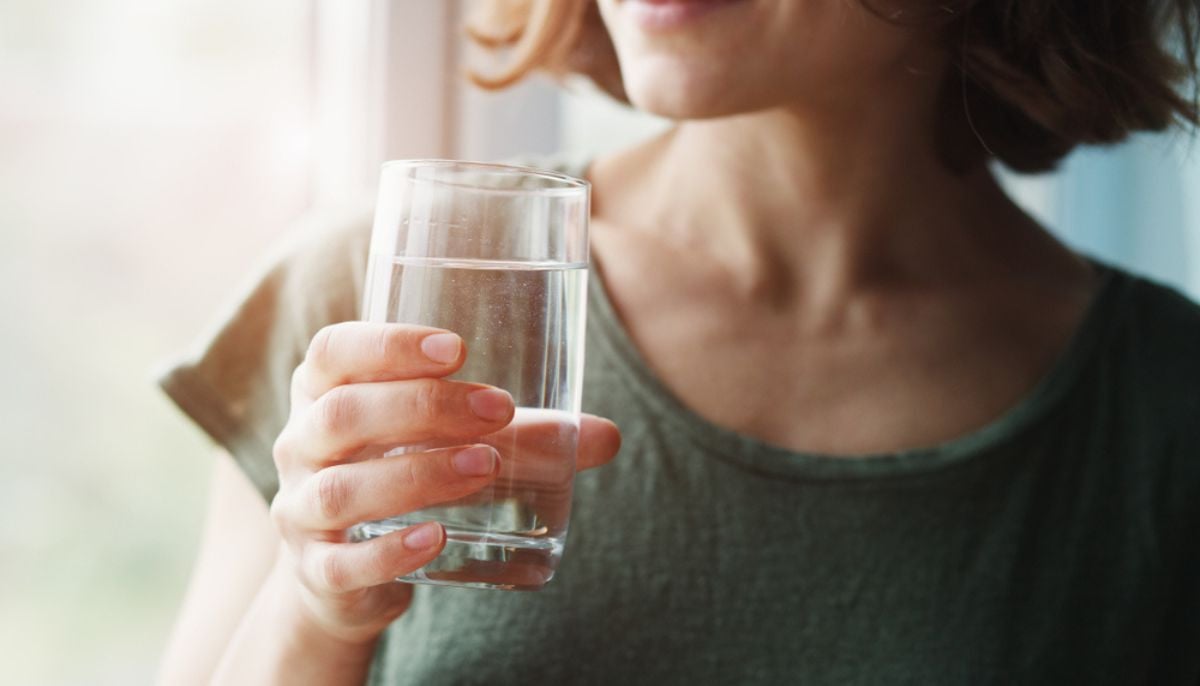
Kidney stone cases are currently on the rise, particularly during the summer months when dehydration risks are at their highest. These small, crystal-like pebbles form when minerals such as calcium, oxalate, or uric acid accumulate and crystallise in concentrated urine.
While a common belief suggests that drinking ten to twelve glasses of water can pass any stone, the reality is more nuanced. Dr Amit Saple, senior consultant urologist at AINU Hospitals, Visakhapatnam, explains that hydration is primarily a preventive tool.
The role of water in stone management
Water acts as the first line of defence by keeping urine diluted, which prevents stone-forming particles from sticking together.
However, Dr Saple provides a reality check: water does not dissolve stones. Its ability to help "flush" them out is limited by the size of the stone.
- Small stones: If a stone is under 5 mm, increased water intake can produce enough urine to carry the stone out of the system naturally.
- Large stones: Stones exceeding 6–7 mm usually require medical intervention, such as shock wave therapy or minor procedures, as hydration alone is insufficient.
Proactive safety and prevention
To maintain kidney health, Dr Saple recommends producing two to two-and-a-half litres of urine daily.
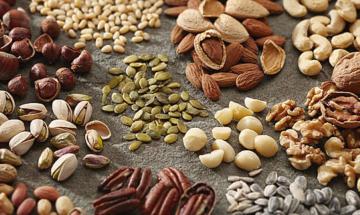
Aside from water intake, preventive measures include cutting back on salt, monitoring oxalate-rich foods like spinach or nuts, and balancing calcium intake.
Ignoring warning signs like serious pain or infection can lead to permanent kidney damage. Ultimately, while water is an essential baseline, it is not a complete substitute for professional medical treatment.
Please Note: This information is for educational purposes only and does not count as medical advice. Readers should always consult a qualified doctor regarding any questions about their health or a medical condition.