Home / Lifestyle
Why teeth often remain yellow despite consistent and regular brushing?
Dentist Shraddha Bahirwani describes how ageing and translucency affect visible tooth pigmentation
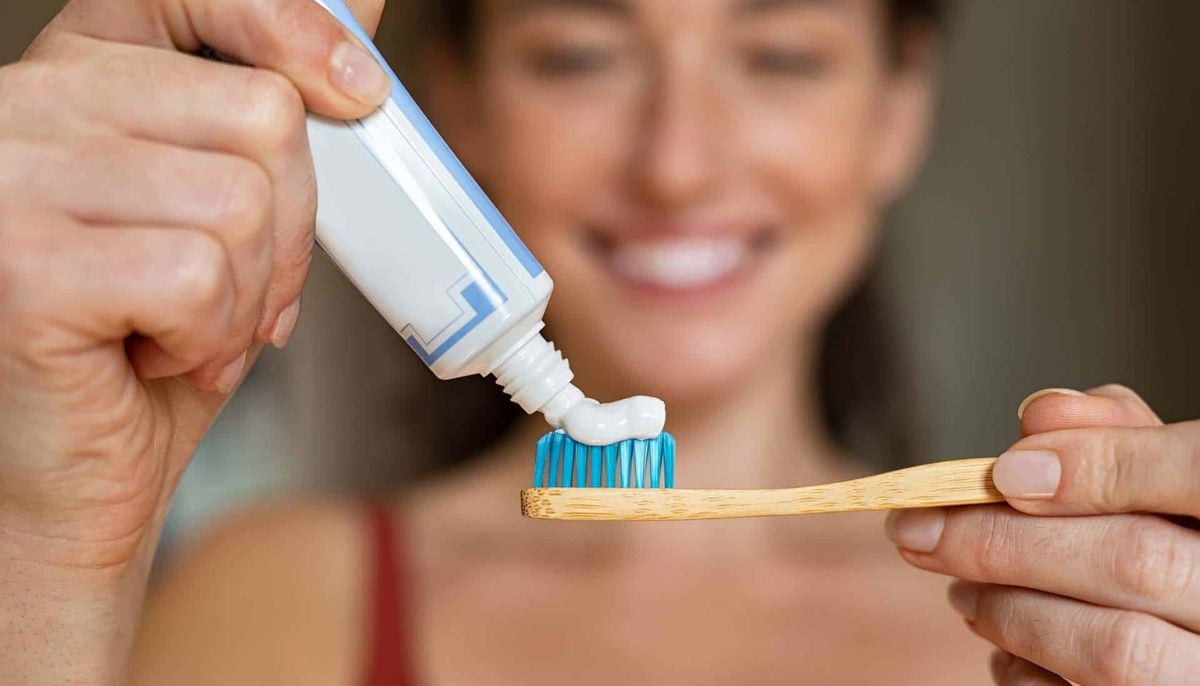
Brushing is a non-negotiable hygiene practice, yet many find that their teeth remain yellow despite consistent effort. While brushing is intended to clean the enamel, it is often insufficient to address deep-seated discolouration.
Doctor Shraddha Bahirwani, senior consultant at Happiest Pearls in Bengaluru, explains that this aesthetic concern results from a complex mix of internal and external influences.
Why does tooth discolouration happen?
According to Doctor Bahirwani, "Tooth discolouration can result from ageing, genetic predisposition, dietary habits, developmental changes during tooth formation, certain medications, and lifestyle choices such as smoking or vaping."
Sometimes, the enamel is naturally thin or translucent, which allows the yellowish dentine underneath to be visible.
Diet and lifestyle factors
External factors significantly contribute to surface and deep staining:
- Diet: Frequent consumption of tea, coffee, wine, and aerated beverages leads to staining.
- Tobacco: Nicotine and tar create stubborn deposits that "cannot be removed by brushing alone."
- Fluorosis: High fluoride levels in drinking water during childhood can cause permanent intrinsic staining.
- Medicines: Tetracycline and iron supplements are known to alter tooth colour.
Treatment and preventive care
The appropriate treatment depends on the underlying cause. While professional bleaching manages surface stains, resistant cases may require veneers or crowns. For long-term health, Doctor Bahirwani recommends:
- Brushing twice daily and attending regular dental check-ups.
- Rinsing the mouth after meals to clear staining agents.
- Staying hydrated and limiting intake of coloured foods and beverages.