Home / Lifestyle
Expert guide on choosing between natural whole foods and dietary supplements
Nutritionists suggest that natural products offer a more complex host of beneficial nutrients
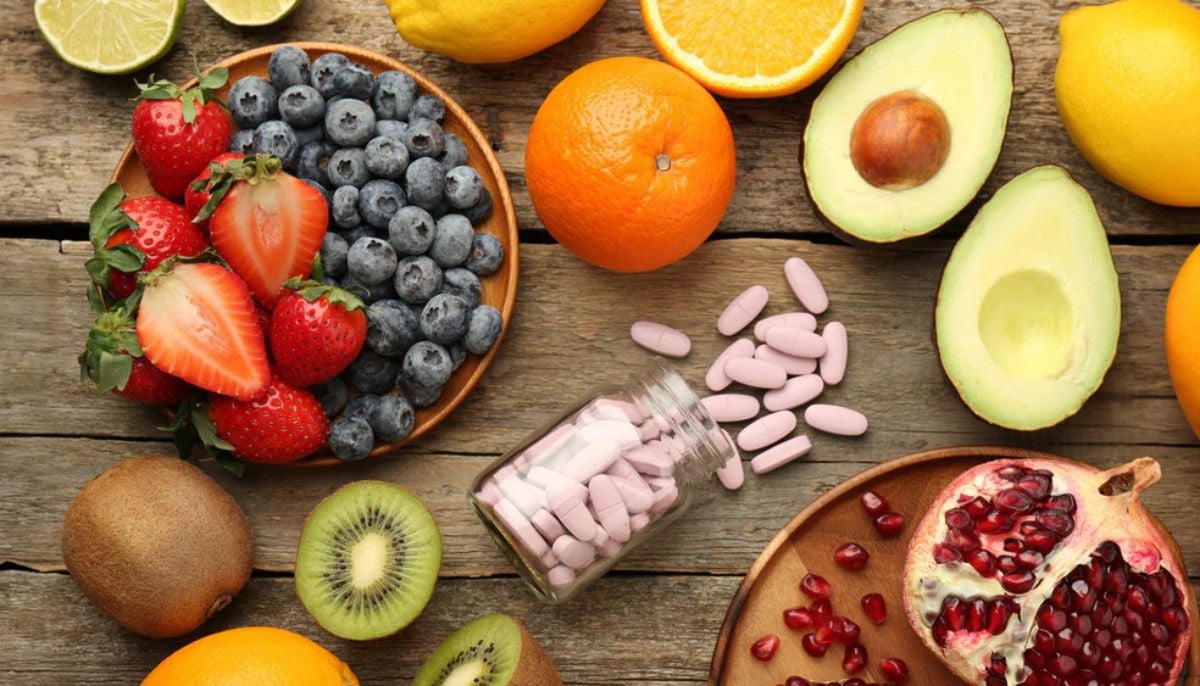
In the wake of the global pandemic, there is a heightened awareness regarding the quality of food consumed by the British public.
Many individuals are now prioritising naturally available, nutrient-rich options over chemical-laden alternatives.
On Tuesday, nutritionist Pooja Kedia shared essential insights with Health Shots, noting that pills often treat symptoms without addressing root causes.
"Natural products are derived from plants, such as fruits and vegetables. They score higher than supplements because they contain a host of beneficial nutrients, including vitamin C, iron, and zinc, which are what one is looking for," Kedia explains.
What are supplements used for?
While whole foods provide complex phytonutrients and antioxidants that reduce tissue damage, supplements serve a specific purpose for those with restricted diets.
"Supplements are easy to take because they come in capsule, tablet, or liquid form," Kedia shares. However, she warns that they cannot replace a balanced diet.
What is the biggest risk of using dietary supplements?
Taking unregulated amounts of minerals or vitamins can lead to health complications. "For example, one scoop of a protein supplement can give you more than 20 grams of protein. If you're already getting enough protein from your diet, taking extra supplements can be harmful," says the expert.
- Boil amla for up to 80 minutes to keep vitamin C stable.
- Use dehydrated amla powder for a concentrated nutrient boost.
- Consume whole grains and vegetables to increase natural fibre intake.
- Always follow the prescribed dosage provided by a qualified professional.
Please Note: This information is for educational purposes only and does not count as professional advice. Readers should always consult a qualified doctor regarding any questions about their health or a medical condition.