Home / Lifestyle
Five simple ways to increase magnesium intake through your daily diet
Low magnesium intake may increase risks of heart disease and high blood pressure
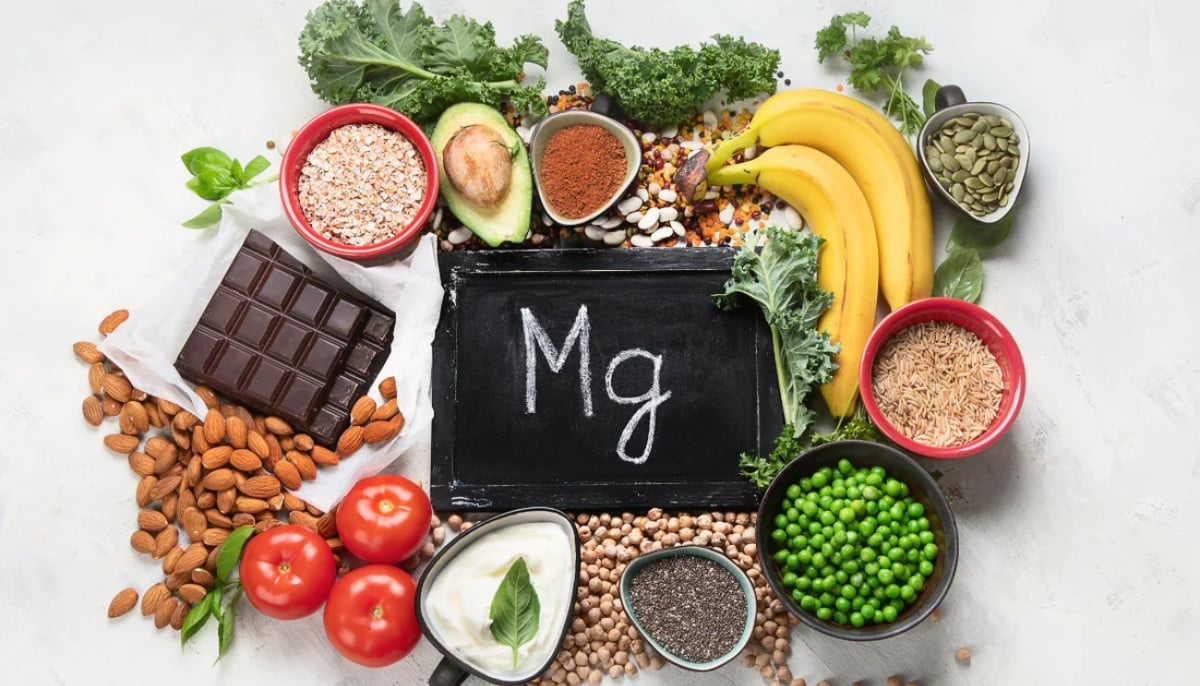
A growing number of people are turning to magnesium supplements in hopes of improving sleep and overall health, but experts say most individuals can meet their needs without pills by simply adjusting their diet.
Magnesium, an essential mineral, plays a key role in regulating blood pressure and blood sugar, supporting muscle and immune function, and promoting better sleep by helping the body produce melatonin. Despite these benefits, research suggests nearly half of Americans fall short of the recommended daily intake.
According to clinical dietitian Bethany Marie Doerfler, the solution is often straightforward: focus on food first.
“Does the average person need to take a magnesium supplement? In short, no,” she explained, emphasizing the importance of increasing plant-based foods in daily meals.
Health guidelines recommend that women aged 19 to 30 consume around 310 milligrams of magnesium per day, slightly more during pregnancy, while men in the same age group should aim for about 400 milligrams. Requirements increase slightly with age.
While severe deficiencies are uncommon and typically linked to underlying conditions such as Crohn’s disease or kidney disorders, consistently low intake may still raise the risk of cardiovascular disease, high blood pressure and insulin resistance.
Rather than relying on supplements, experts highlight several practical ways to boost magnesium intake through everyday foods:
Add seeds and nuts to your diet
Foods like pumpkin seeds, chia seeds, and almonds are among the richest natural sources of magnesium and can be easily incorporated into snacks or meals.
Eat more leafy greens
Vegetables such as spinach provide a significant magnesium boost and also deliver fiber and essential vitamins.
Choose plant-based proteins
Beans, lentils and soy-based foods like tofu offer a nutrient-dense way to increase magnesium while supporting overall health.
Incorporate whole grains
Options like quinoa, brown rice and whole-grain cereals contribute both magnesium and fiber, making them a smart dietary addition.
Build balanced, nutrient-rich meals
Combining ingredients such as beans, grains, vegetables and healthy fats like avocado can help maximize magnesium intake while improving overall nutrition.