Home / Technology
Apple CEO Tim Cook predicts prolonged memory shortage
Across the tech sector, leaders are expressing concerns about escalating memory prices
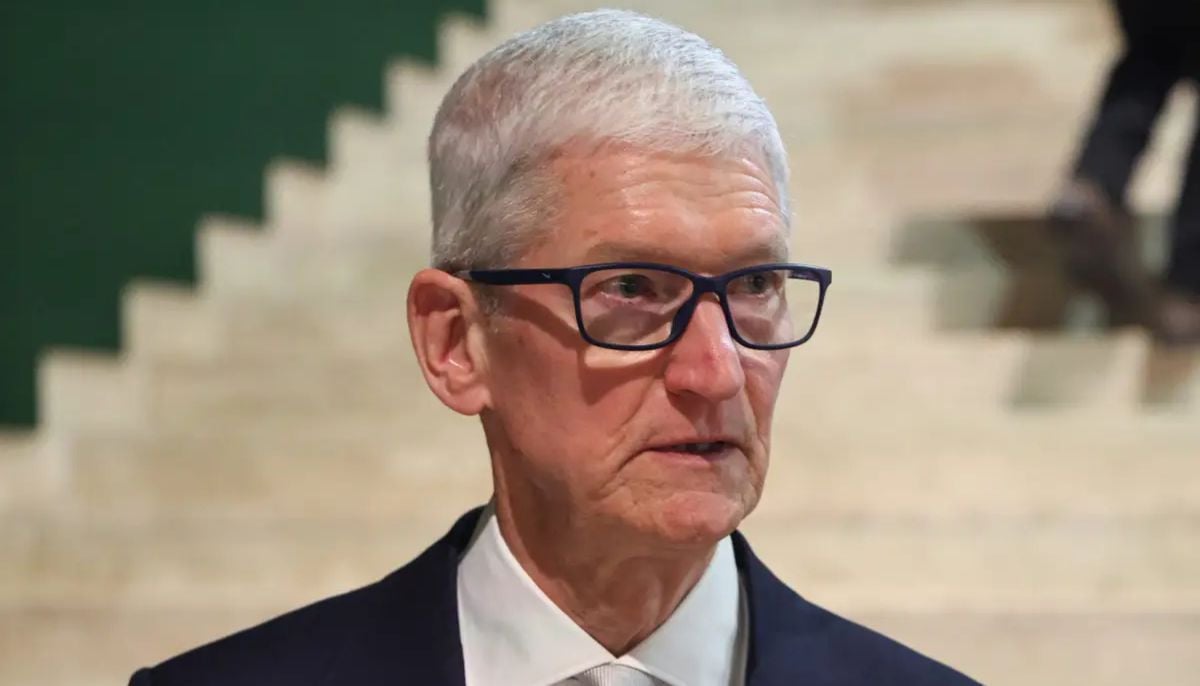
Globally, the memory shortage significantly affected tech earnings this season, reaching a peak this week. Apple CEO Tim Cook indicated this is only the start.
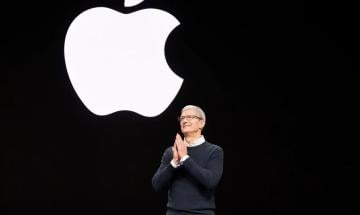
"We anticipate that memory expenses will increasingly affect our operations," Cook mentioned during the Q&A segment of Apple's earnings call on Thursday as he repeatedly emphasised the "supply constraints" the company encountered last quarter. "We'll keep assessing this situation."
Apple's earnings statement, featuring beats on most fronts and stronger-than-expected revenue guidance, was released a day after Meta and Microsoft revealed in their results that heightened memory costs influenced their increased capital expenditure outlooks for the year.
Microsoft has forecasted $190 billion in capital expenditures for 2026, a 61% increase from the previous year.
CFO Amy Hood revealed in a conference call that $25 billion of this is due to rising component prices.
Meta also mentioned that expectations for increased component costs led to an increase in its capital expenditure estimate, raising it from a peak of $135 billion to as high as $145 billion.
Across the tech sector, leaders are expressing concerns about escalating memory prices, intensified by global demand for AI infrastructure.
Every generation of Nvidia processors—the driving force behind the AI surge—features more memory, further tightening an already strained market.
Micron, a company known for producing memory components, and whose stock has surged by approximately 570% in the past year, is actively increasing its production capacity, along with competitors Samsung and SK Hynix. With AI processors and data centers consuming a large share of supply, memory components for consumer electronics like PCs and smartphones are becoming scarcer and thus more costly.
According to Cook, Apple's 17% revenue increase during the fiscal second quarter surpassed expectations "despite the existing supply limitations."
He explained that the effect in December was "minimal," but there was a greater impact during March. Looking forward to the quarter ending in June, Cook noted that the most significant effects will be seen in several Mac models "due to the sustained high demand we're experiencing."
Analysts were curious about Apple’s strategy going forward, but the conversation offered few details. Cook stated on several occasions, "We'll explore a variety of options."
Since January, when AI memory started becoming scarce, Wall Street has been questioning tech manufacturers like Apple and Dell about their strategies for managing the memory shortage, including whether they might need to adjust prices or reduce profit margins.
"Apple's situation shows that even top-performing companies can't entirely avoid the memory crunch," said Jake Behan, leader in financial markets at Direxion. "Tim Cook's caution about 'noticeably greater' costs in coming quarters highlights how severely the AI-driven supply crunch is affecting the entire tech sector."
Apple has mostly avoided price increases up to now. In March, the company revealed several new offerings, such as the iPhone 17e, an updated iPad Air laptop with an M4 chip available in 11-inch and 13-inch versions.
The presentation also included the MacBook Neo, an affordable laptop that Cook admitted was in higher demand than expected.
The memory issue will soon become a key challenge for John Ternus, the upcoming CEO and Apple's longtime hardware leader, who is set to replace Cook in September.