Home / Technology
Roblox implements strict facial-scan age verification for Indonesian players
Roblox disables chat features for millions of unverified accounts in Indonesia
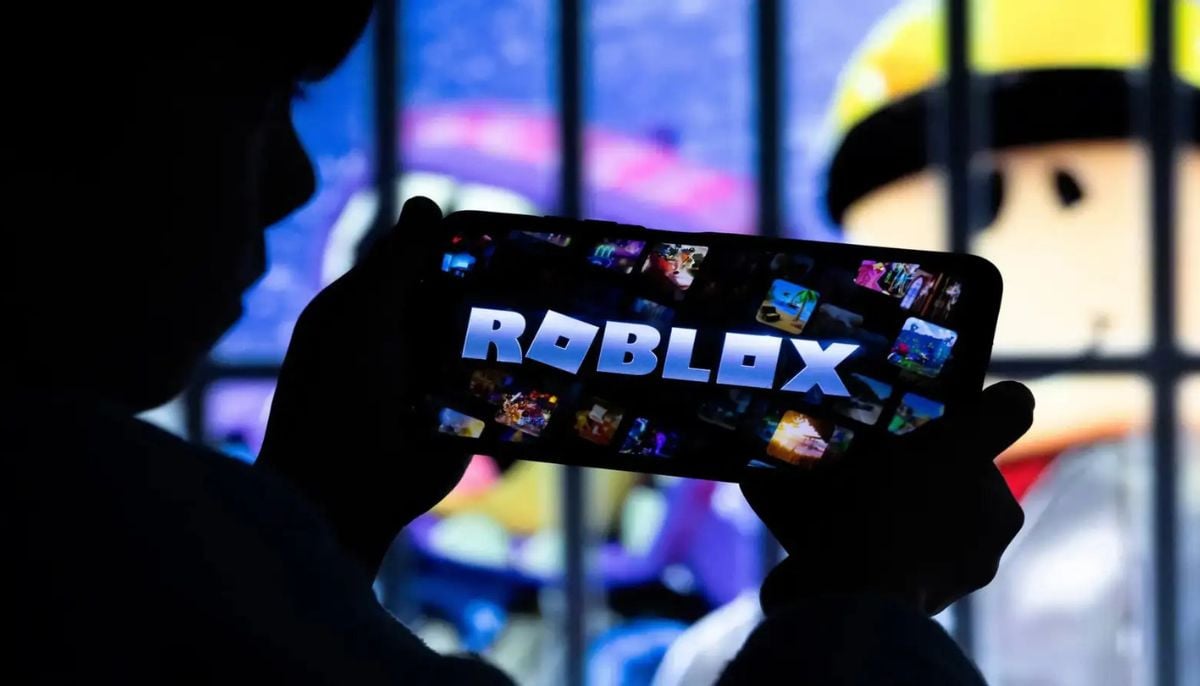
Roblox has announced a suite of rigorous safety measures for its Indonesian users to comply with the country’s new social media restrictions for minors.
Following an announcement by the Indonesian Communications Minister on Thursday, the gaming giant is implementing mandatory facial-scan age verification for all players under the age of 16.
The platform will automatically deactivate all communication and chat features for any account in this age bracket that fails to complete the verification process.
The move is a direct response to Indonesia’s classification of specific gaming and social platforms as "high-risk," a designation that requires firms to strictly limit or deactivate accounts belonging to children.
As part of this transition, Roblox is restructuring its user base by moving 23 million accounts into new, specialised categories.
The "Roblox Kids" tier, designed for users aged 5 to 13, will feature entirely disabled chat functions. Meanwhile, those in the 13–15 age tier will be permitted to chat only with verified friends and family members.
Nicky Jackson, a representative for the company, characterised these updates as being "amongst the strictest protections" Roblox offers globally.
In addition to communication curbs, the platform is introducing enhanced screen time controls, allowing Indonesian parents to monitor and set firm limits on their children's daily usage.
These systemic changes reflect a growing trend of stringent digital governance in the region, as authorities seek to mitigate risks associated with online interaction for young residents.
The automatic transition of millions of accounts underscores the massive scale of this regulatory alignment.