Home / Lifestyle
New clinical advice shows how small habits may help prevent and manage hemorrhoids
Doctors advise seeking medical evaluation if symptoms persist to rule out other conditions
New clinical guidance from the American Gastroenterological Association highlights simple, everyday habits that can significantly help ease hemorrhoid symptoms and reduce the risk of recurrence.
Hemorrhoids are a common condition affecting around one in 20 adults in the United States, with prevalence increasing sharply after age 50.
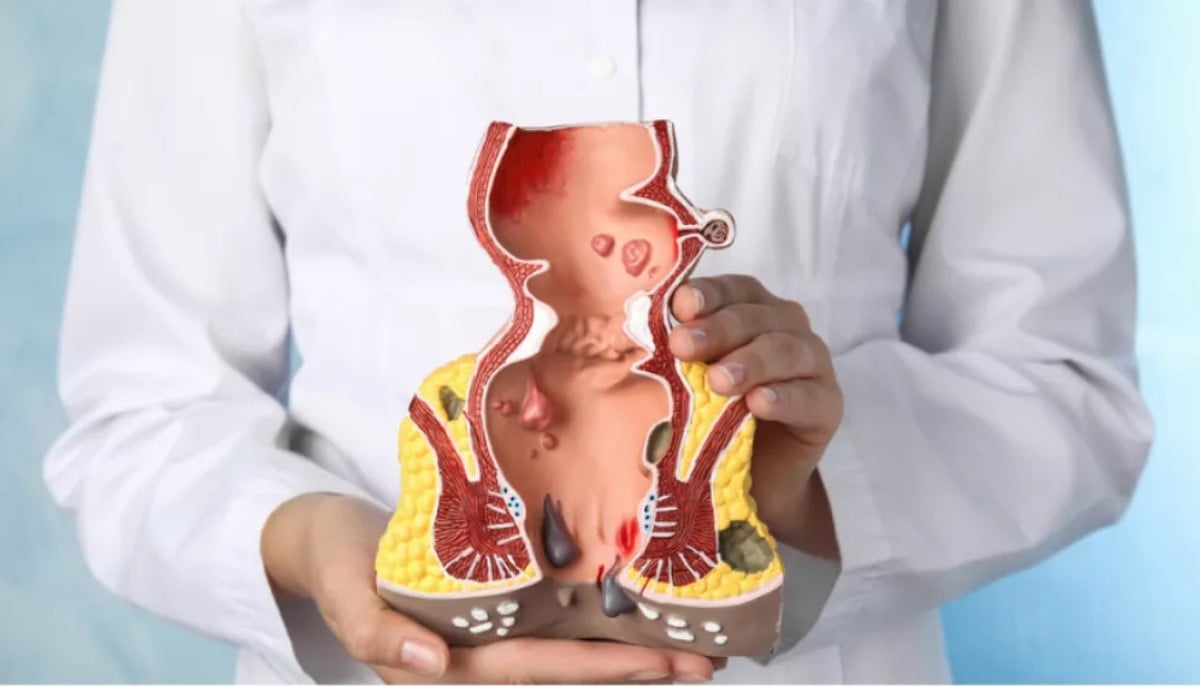
The condition occurs when veins around the anus or lower rectum become swollen, leading to discomfort, itching, pain while sitting, and sometimes bleeding during bowel movements.
The new recommendations, co-authored by medical experts and intended primarily for clinicians, emphasize three key first-line strategies that patients can also adopt at home: increasing fiber intake, avoiding straining, and limiting time spent on the toilet.
Increase fiber intake to support digestion
One of the strongest recommendations is boosting dietary fiber, which helps regulate bowel movements and reduce constipation—a major contributor to hemorrhoid development.
Fiber plays a dual role in digestive health, helping soften stool in cases of constipation while also improving consistency in cases of diarrhea.
This balance reduces strain during bowel movements and can help alleviate symptoms such as pain and irritation.
Experts recommend around 25–28 grams of fiber per day for women and 28–34 grams for men, depending on calorie intake.
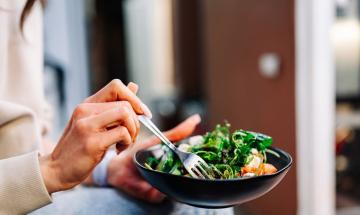
Good sources include whole grains, fruits, vegetables, legumes, nuts, and seeds. However, medical professionals advise increasing fiber gradually to avoid bloating or gas.
Avoid straining during bowel movements
The guidelines also stress the importance of avoiding excessive straining, which can worsen swollen veins and increase the risk of complications such as prolapse.
Straining raises pressure in the rectal area and can intensify symptoms over time. To help reduce strain, specialists recommend staying well hydrated and maintaining a high-fiber diet to keep stools soft and easier to pass.
Posture can also make a difference. Using a footstool to elevate the knees above hip level can simulate a squatting position, which is considered more natural for bowel movements and reduces pressure on the rectum.
Limit time spent on the toilet
Another key recommendation is minimizing time on the toilet, as prolonged sitting increases pressure in the rectal area and may worsen swelling.
Health experts suggest limiting toilet time to under five minutes and avoiding distractions such as mobile phones or reading while seated.
When to seek medical advice
While lifestyle changes can significantly improve symptoms, experts emphasize the importance of medical evaluation if hemorrhoids are suspected, as similar symptoms may be linked to more serious conditions.
Diagnosis may include an in-office procedure known as an anoscopy, which allows doctors to examine the anal canal.
If needed, minimally invasive treatments such as banding or infrared coagulation can be used effectively without anesthesia.