Home / Royals
King Charles shares personal detail about cancer treatment during hospital visit
The monarch visited Guy’s Cancer Centre to meet patients and doctors
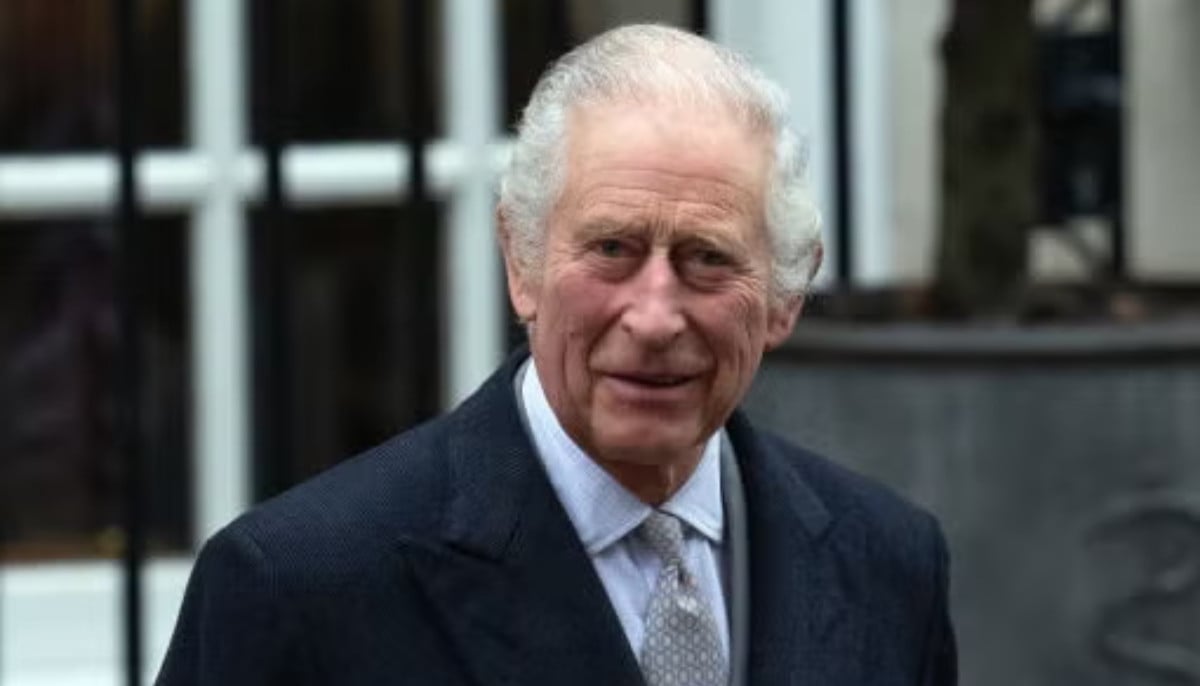
King Charles III has shared a rare personal detail about his cancer treatment, revealing a side effect he relates to after speaking with a patient undergoing chemotherapy during a hospital visit in London.
The 77-year-old monarch, who was diagnosed with an undisclosed form of cancer in 2024 and continues to receive treatment, visited Guy’s Cancer Centre on May 11 to mark the 300th anniversary of Guy’s Hospital and meet patients, doctors, and researchers working on cancer care and medical innovation.
During the visit, King Charles spoke with Raymond Burgess, a patient receiving chemotherapy, who mentioned experiencing a persistent bad taste during treatment. The King responded by sharing his own experience with a similar side effect.
“It’s an awful sort of metallic taste,” he said, according to The Telegraph. “It doesn’t exactly help with eating.”
The moment highlighted a rare instance of personal reflection from the monarch, who has largely kept details of his diagnosis and treatment private since announcing his condition in 2024.
Alongside meeting patients, the King also toured the facility’s research departments, where he observed advances in artificial intelligence and robotic surgery being used in modern cancer care.
King Charles has continued treatment throughout 2026, with Buckingham Palace previously confirming that his medical schedule has been reduced following a positive response to therapy. In a December message, the King shared that early diagnosis and treatment had significantly improved his condition.
“His Majesty has responded exceptionally well to treatment,” a palace spokesperson said at the time, adding that his care is now moving into a precautionary phase.
The monarch also used that message to highlight broader progress in cancer research and encourage others facing similar diagnoses.
During his hospital visit, King Charles appeared engaged and attentive as he met medical teams and patients, continuing his pattern of public duties alongside ongoing treatment.