Canada allows nearly 50,000 Chinese electric vehicles into market
Canadian dealers are moving to establish relationships with Chinese automakers
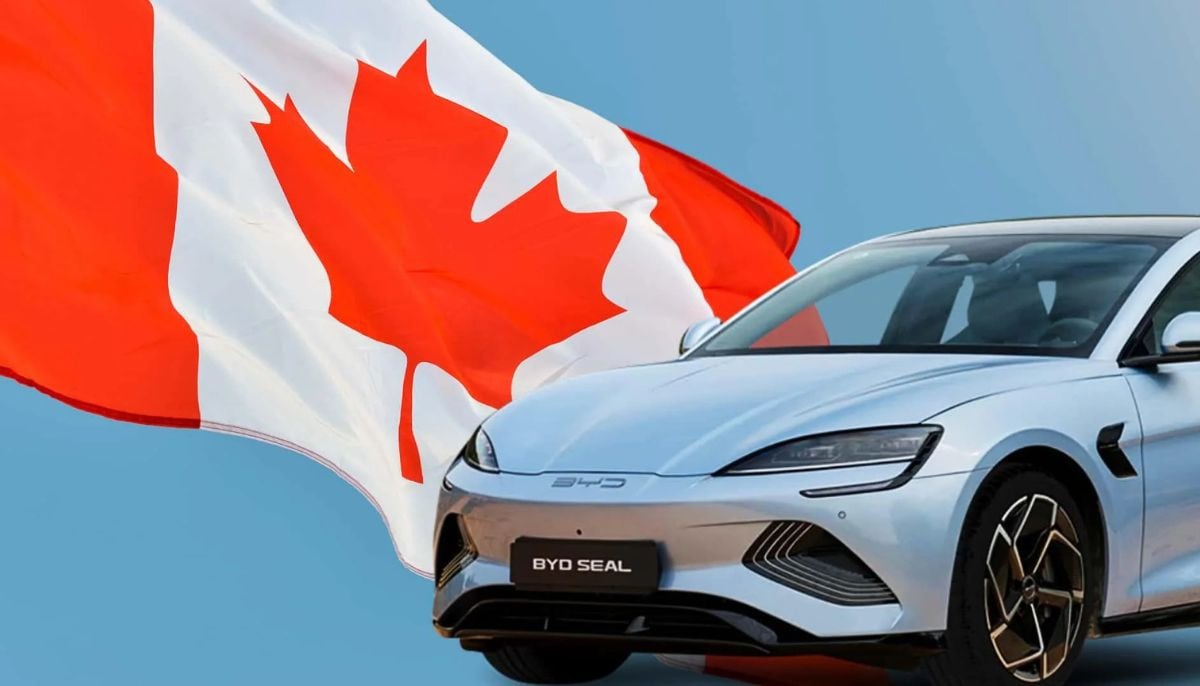
Canada has agreed to permit the importation of nearly 50,000 Chinese-manufactured electric vehicles for retail sale each year, at a preferential tariff rate of 6.1%. The decision effectively unlocks the country's automotive market to Chinese EV brands, allowing Canadian dealers to stock and sell vehicles produced in China.
Dealers see a major opportunity
"I think it is going to be a huge eye-opener," said Michael MacGillivray, who oversees ten dealerships across Nova Scotia and New Brunswick, in comments to CNBC.
As chief executive of both Century Auto Group and Sigma Auto Group, MacGillivray is actively positioning himself to become one of the Canadian dealers authorised to retail imported Chinese EVs.
In April, he travelled to the Beijing Auto Show alongside a delegation of fellow Canadian dealers, intending to forge direct relationships with Chinese automakers and evaluate the range of cars and SUVs that could eventually make their way to the Canadian market.
"When I was in China, I was very impressed by the Chinese vehicles," he said. "They have materials that are second to none. Their styling is impressive. The ride is very impressive."
Industry opposition and domestic concerns
Not all voices in the Canadian automotive sector have welcomed the development. The Canadian Vehicle Manufacturers' Association has described the decision to permit the sale of Chinese-made EVs as deeply concerning, reflecting broader anxieties about the competitive implications for domestically produced vehicles.
A carefully managed market entry
Capping annual Chinese EV imports at 49,000 units, combined with a relatively low tariff, represents a deliberate attempt by Canadian policymakers to introduce guardrails around the entry of Chinese automakers into the country's automotive landscape.
"They're being careful in terms of how much volume is being allowed in," said Michael Robinet, vice president of forecast strategy at S&P Global Mobility, an automotive industry consulting firm.
"Anywhere between 3% and 5% of the market is sizable but not something that will change the competitive dynamic significantly," he added.