Gillian Anderson opens up about letting go of negative self-talk in her 50s
The actress reflects on years spent overthinking and criticising herself in her 20s and 30s
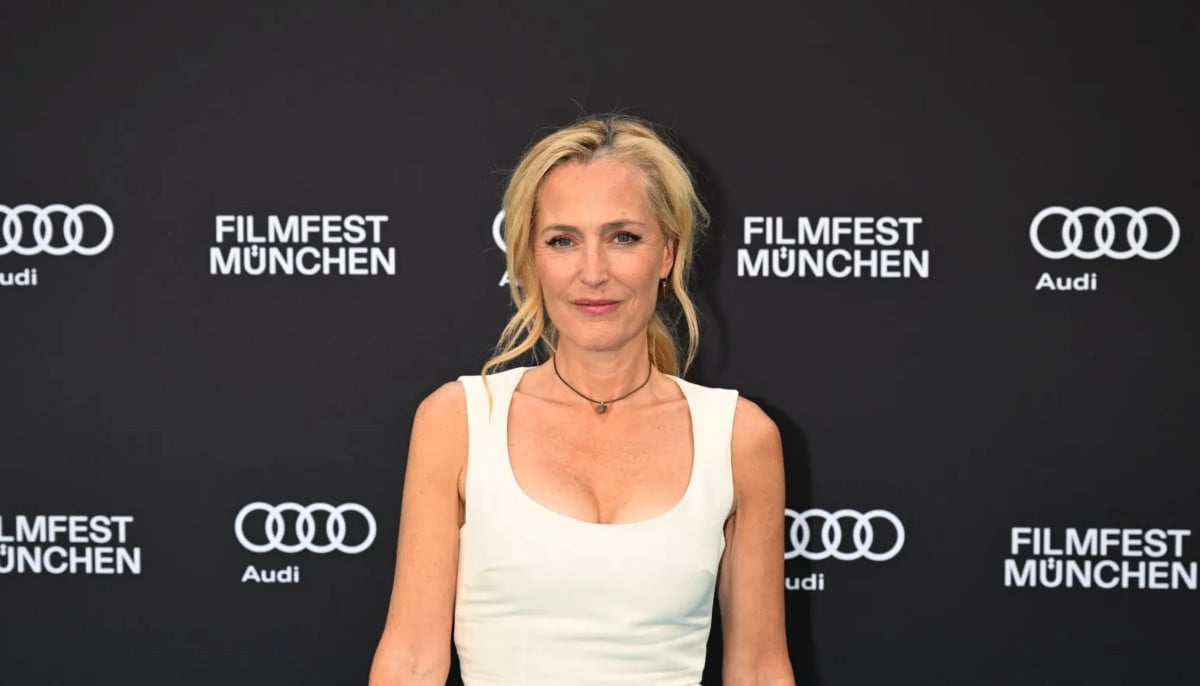
British actress Gillian Anderson has opened up about how her perspective on ageing has shifted significantly in recent years, saying she has moved away from being “self-judgmental and negative” about getting older.
In an interview with Harper’s Bazaar, the 57-year-old star said she once spent much of her younger life caught in cycles of internal criticism and anxiety, particularly during her 20s and 30s.
“I remember in my 20s and 30s feeling worried all the time,” she said. “It felt like I had a running intensity… a constant conversation going on in my head, and a lot of self-judgment.”
She added that those thoughts often consumed large portions of her time, describing the experience as “wasting a lot of hours” being overly critical of herself.
However, Anderson said that mindset has now largely faded. She explained that while ageing played a role in the shift, it was also the result of deliberate personal work.
“It’s taken some work,” she said. “Nothing matters so much anymore. I don’t feel like I hold on to things so tightly. It’s much easier to just shrug things off and let things be.”
Alongside her reflections on ageing, Anderson also discussed her upcoming book More, which is set for release in September as a follow-up to her earlier publication Want.
The project continues her exploration of anonymous submissions from women sharing intimate thoughts and fantasies.
She said the new collection has expanded in both scale and confidence, with more international contributions and what she described as a noticeably “bolder” tone compared to the first book.
“The letters feel more confident,” she said, noting that the success of the first book helped build a wider community of contributors and readers.
Anderson explained that many participants found empowerment in anonymously sharing experiences that were previously tied to shame or silence, adding that the submissions often created a sense of connection among women of different ages and backgrounds.
“It really is a coming together in a way,” she said, describing the project as one that fosters identification, openness, and a shared sense of agency among contributors.