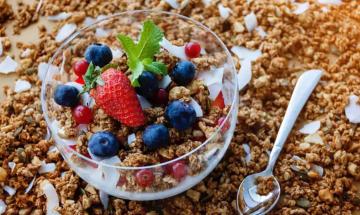
Pet owners are increasingly replacing conventional kibble with fresh, gourmet home-cooked meals
Pet owners say animals deserve the same clean, nutritious food standards they set for themselves
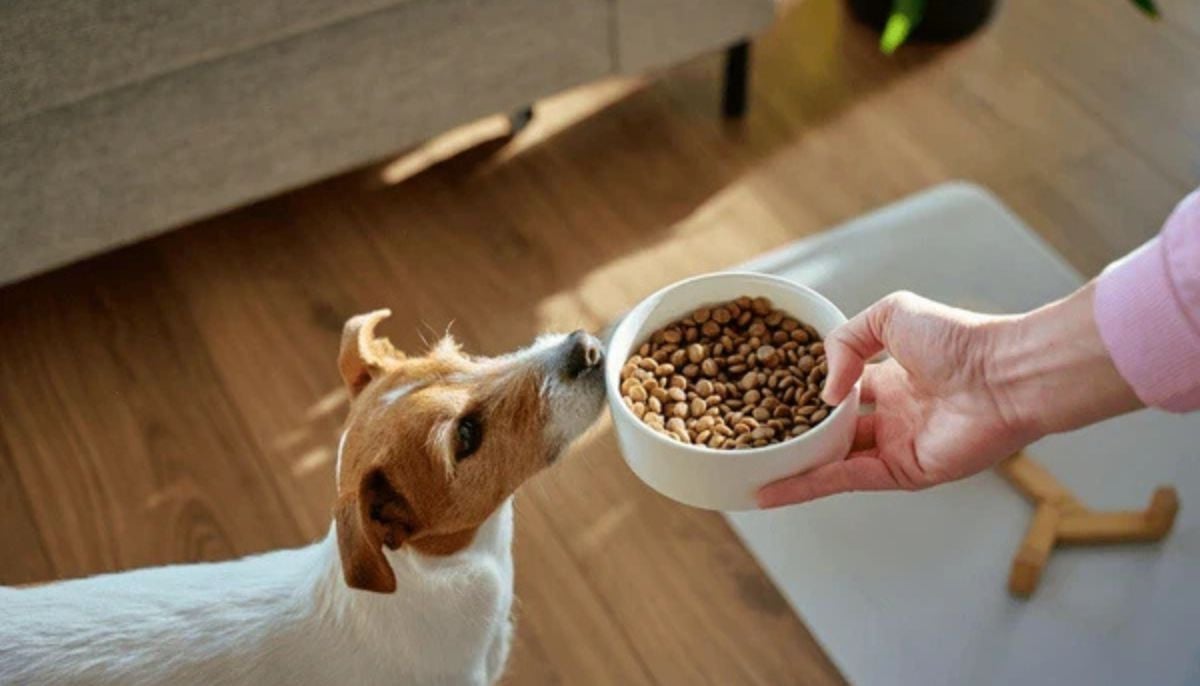
Pet owners across the world are abandoning conventional kibble in favour of gourmet meals, specialist bakeries, and subscription food services — treating their animals to the same quality of nutrition they demand for themselves.
The shift reflects a fundamental change in how people view their pets, with dogs and cats increasingly regarded as family members rather than household animals, driving a rapidly expanding market for premium and boutique pet food.
Cocktail bars, buffets and pet patisseries
The trend is visible in some unexpected places. In the UK, cocktail bar Smith & Whistle serves canine companions the Poochie Pinot or Doggie Perignon — crafted from herbal infusions and fresh chicken or beef broth — alongside premium jerky, while their owners enjoy a drink at the bar.
At The Pet People Café in Bengaluru, dog owners can share tuna pupcakes or glazed carob and peanut butter chicken and egg pupcakes with their pets. Elsewhere, hotel buffets have been designed specifically for dogs, featuring dishes such as biryani, pumpkin and coconut cheesecake, and galauti kebabs made from kidney beans and virgin coconut oil — food so well-prepared that human guests have been known to wander into the wrong queue. One chef recalled a guest who "complimented me on the food, saying it suited him well, because he couldn't tolerate spice, but that the food was missing salt."
Specialist bakers and birthday orders
For special occasions, pet owners are turning to dedicated pet patisseries in growing numbers. Khushi Bhutani, 25, Founder of Furry Baker in Delhi, produces vet- and nutritionist-approved, gluten-free, sugar-free cakes that replace refined flour with oatmeal, rice flour, coconut flour, and quinoa. Frosting is made from Greek yoghurt rather than cream, and dyes are derived from beetroot, spinach, and blueberry extract in place of artificial colouring.
The demand spans all ages and relationships. "I get calls from children saying, 'It's my brother's birthday', or senior citizens calling to say it's their 'grandson's birthday'. They're referring to their pets," Bhutani said. "For doggy birthday parents want hand-baked, slow-batch treats for the furry guests."
On Instagram, accounts such as @TheCedLife — run by Joelle Jay, author of the cookbook The Dog's Table — showcase elaborate pet meals that swap out ingredients toxic to animals, including chocolate, sugar, wheat, and garlic, for safe and nutritious alternatives.
Every recipe is also edible for humans. Jay's dogs, Edith and Cedric, appear in videos watching the cooking before digging into dishes such as Pawella or English Barkfast. "The dogs are eating better than me," one follower commented.
Why owners are moving away from kibble
Conventional pet food has faced growing scrutiny, with kibble linked to skin infections and bloating in dogs. Pet owners who have themselves adopted cleaner, more nutritious diets are increasingly applying the same logic to what they feed their animals.
The appeal of subscription meal services has grown alongside this shift. Nayan Shah, 38, Founder of pet-food company PetChef, explained the reasoning: "Feeding the same food regularly helps a dog's gut bacteria adapt, which supports digestion and overall gut health. While people can eat a wide variety of foods, dogs benefit more from consistency."
For those who cook at home, the approach can be equally considered. Food photographer Simran Punjabi, 23, feeds her six-year-old Shih Tzu, Nifty, a diet of coconut water, fruit, egg whites, and a dinner of fresh mutton and organs cooked in vegetable broth with quinoa.
She shares dog-friendly recipes — including sweet-potato-and-carrot chaat and oat-flour egg noodles — on her Instagram @NiftyInANutshell. "I don't see a distinction between caring for my parents and caring for Nifty," she said.
The cost of going gourmet
Premium pet nutrition does not come cheaply. Food and supplement bills for a single pet can run to the equivalent of hundreds of pounds a month, while a pet birthday party with other furry guests can cost significantly more. A growing cottage industry of boutique kitchens, direct-to-consumer startups, and subscription services has emerged to meet the demand, sitting alongside established commercial brands.
Regulatory gaps remain a concern
The gourmet pet food boom is unfolding against a patchwork of regulatory standards that varies sharply by country. In the United States, the Association of American Feed Control Officials (AAFCO) sets nutritional standards, ingredient definitions, and labelling guidelines for pet food manufacturers.
In Europe, the European Pet Food Industry Federation (FEDIAF) governs nutritional adequacy, ingredient safety, and manufacturing practices. The UK applies additional regulation through animal-feed legislation covering hygiene, traceability, and product claims.
In several major markets, however, binding standards remain absent or unenforced — leaving pet owners to rely on brand transparency, veterinary guidance, and their own research when deciding what goes into their animal's bowl. The concern is that boutique and small-batch producers, however well-intentioned, may not always fill the gap that regulators have left open.