Six key supplements for women, says nutritionist; avoid generic plans
Expert says supplement needs vary by person and should be based on testing
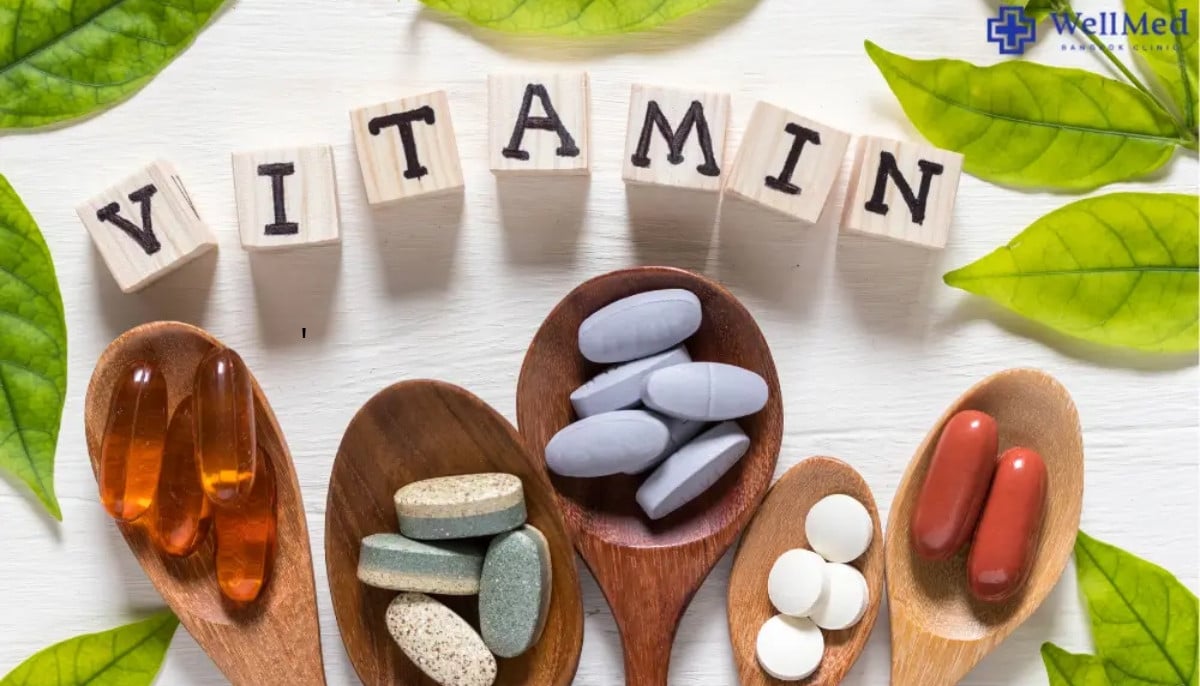
Women should avoid following supplement trends on social media and instead choose vitamins and minerals based on their individual health needs, according to nutritionist Dr Vishakha Shivdasani.
The expert shared a list of six commonly recommended supplements while stressing that dosage and supplement choices should be guided by symptoms, blood tests and professional medical advice. The recommendations were highlighted by HT Lifestyle.
Dr Shivdasani advised women not to base supplement decisions solely on recommendations from influencers and stressed the importance of taking responsibility for their own health choices.
Which Supplements Are Most Important for Women?
According to Dr Shivdasani, several nutrients play an important role in supporting women's health, particularly when deficiencies are present.
Vitamin D3 tops the list due to its role in bone health, immune function, hormone regulation and mood support.
Magnesium may help with sleep quality, stress management, PMS symptoms and insulin sensitivity. The nutritionist noted that choosing the right form of magnesium is important, depending on an individual's needs.
Omega-3 fatty acids, particularly EPA and DHA in triglyceride form, can support hormone health, reduce inflammation and benefit brain and skin health.
Vitamin B12, especially methylcobalamin, is another key nutrient that supports energy production, metabolism and nerve health. It may be particularly important for vegetarians, who are at greater risk of deficiency.
Iron and Zinc Should Be Taken Carefully
Dr Shivdasani advised that iron supplements should only be used when a deficiency has been identified.
She said correcting low iron levels may help improve energy, hair health, sleep quality and migraine symptoms.
Zinc may also offer benefits when used in low doses for a limited period. The mineral has been linked to thyroid support, immune function, fertility, acne management and gut health.
Which Supplements Should Women Avoid?
The nutritionist warned against purchasing supplements based solely on marketing claims or popular wellness trends.
She explained the idea 'more supplements equals better health' is not always true or safe.
Dr Shivdasani cautioned that generic multivitamins may overlook common deficiencies such as vitamin D and B12 while providing unnecessary amounts of other nutrients.
She also warned against taking iron supplements without medical supervision, saying excess iron may worsen inflammation and digestive issues.
Hair, skin and nail gummies were another category highlighted by the expert, who noted that some products may raise blood sugar and biotin levels, potentially affecting thyroid test results.
Mega-dose antioxidant supplements should also be approached with caution, as excessive intake may interfere with some of the benefits associated with exercise and metabolism.
Can Supplements Take the Place of a Healthy Diet?
Dr Shivdasani emphasised that supplements are intended to complement a healthy lifestyle rather than replace nutritious eating habits.
She advised individuals to undergo appropriate testing and seek personalised medical guidance before starting any supplement regimen.
Choosing supplements based on a proper diagnosis can help identify genuine nutritional gaps while reducing the risk of taking products that may be unnecessary or harmful.
Note to readers: This article is for informational purposes only and not a substitute for professional medical advice. Always seek the advice of your doctor with any questions about a medical condition