Why women face higher risk of dry eye disease?
Menopause, thyroid issues linked to higher dry eye risk
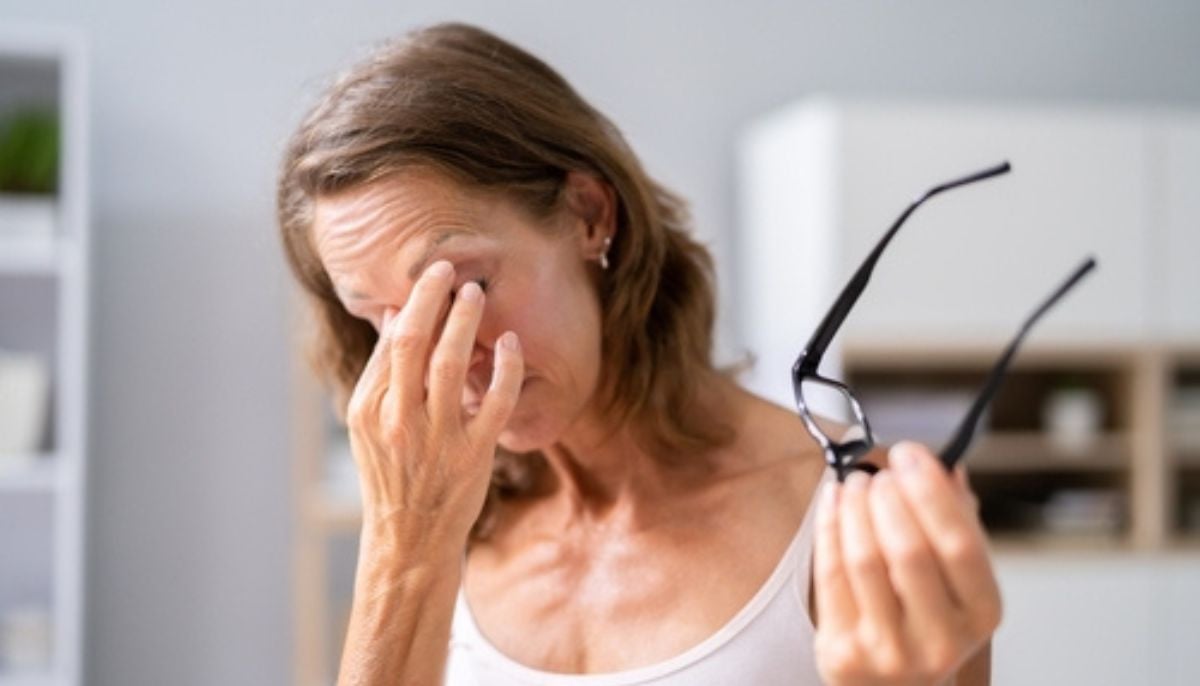
Dry eye disease, a condition irritating due to reduced eye moisture, disproportionately affects women compared with men of similar age, according to ophthalmologist Dr Neelima Shah, who explained the causes in an interview with HT Lifestyle.
Dr Shah said the condition develops when tear secretion decreases, tear film stability is disturbed, or the tear film evaporates too quickly. The tear film, she explained, consists of a water layer, a mucin layer and an oil layer, and disruption to any of these can trigger symptoms such as burning, grittiness, redness and watering.
Women are more prone to the condition, studies show
According to Dr Shah, research has established that women experience dry eye problems at higher rates than men, with prevalence increasing further among older women. The condition can be temporary, chronic or recurrent, and affects people across age groups.
Common triggers affect everyone
Certain factors contribute to dry eyes regardless of gender:
- Extended use of phones, computers or televisions reduces blinking frequency, increasing exposure of the eye's surface
- Low humidity, air-conditioned spaces and direct airflow accelerate tear film evaporation
- Prolonged contact lens use can worsen dry eye symptoms
Hormonal changes drive higher risk in women
Dr Shah identified several factors specific to women:
- Fluctuations in hormones such as oestrogen, progesterone and androgens disrupt tear and oil glands
- Perimenopause and menopause bring a sharp decline in hormones, raising susceptibility
- Pregnancy, menstrual cycles, hormone replacement therapy and contraceptive pills also increase risk
- Uncontrolled thyroid hormone levels, more common in women, disrupt gland function
- Eye cosmetics can block oil glands, especially when makeup is not fully removed
- Inflammation from local or systemic causes can further worsen dryness
Note: This article is based on user-generated content from social media, and the claims have not been independently verified. It is for informational purposes only and is not a substitute for professional medical advice.