Home / Lifestyle
Dr reveals why 'normal' cholesterol doesn't guarantee heart safety
Cardiac health is often determined by silent, long-term processes rather than isolated tests
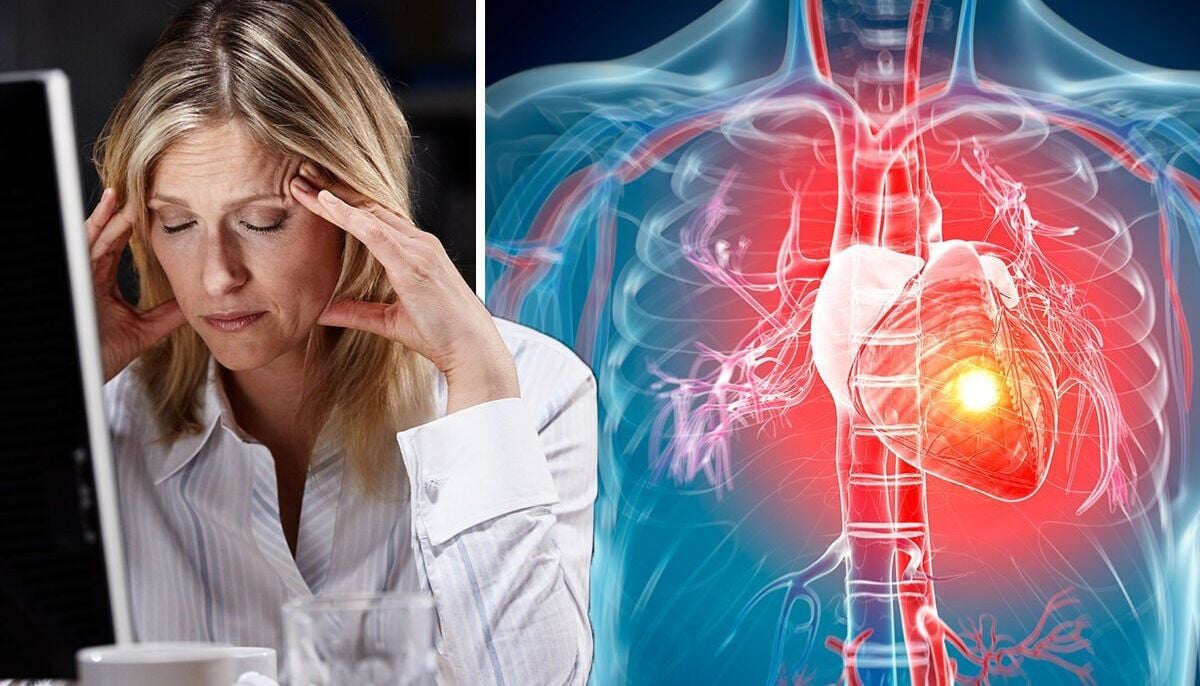
Medical experts are highlighting that cardiovascular health is often determined by silent, long-term processes rather than isolated medical tests.
Dr Kunal Sood, an anaesthesiologist and interventional pain medicine physician, has identified five critical insights into the hidden drivers of heart disease.
In a professional briefing shared on Thursday, he explained: “Heart risk is driven by plaque, inflammation, metabolism, and daily behaviour, not just one lab value.”
A primary concern remains that atherosclerosis often progresses without symptoms. Dr Sood warns that relying solely on cholesterol tests can be misleading, as “Cholesterol levels reflect what is circulating now, not what has already built up in artery walls.”
He further noted that many plaques remain undetected until they rupture, meaning the first symptom may be a heart attack or stroke.
Sedentary habits and metabolic triggers
The physician warns that modern lifestyle patterns, particularly prolonged sitting, significantly heighten cardiovascular danger.
Dr Sood highlighted that: “Large meta-analyses show prolonged sitting increases cardiovascular risk independently of exercise.” To combat this, he recommends a ten-minute walk immediately following meals.
“Walking after meals lowers post-meal glucose more effectively than walking later,” he noted, explaining that muscle activity reduces insulin demand and improves vascular function.
Nutritional support
Magnesium and Omega-3s: These nutrients aid in regulating blood pressure and reducing inflammation. Dr Sood noted: “Magnesium helps regulate vascular tone, blood pressure, and cardiac electrical stability.”
Metabolic balance: Consistent movement and targeted nutrition act as essential adjuncts to traditional heart risk management.
Note to readers: This article is for informational purposes only and not a substitute for professional medical advice. Always seek the advice of your doctor with any questions about a medical condition.