Home / Lifestyle
The 'hidden' link between puffy eyes and impaired kidney function
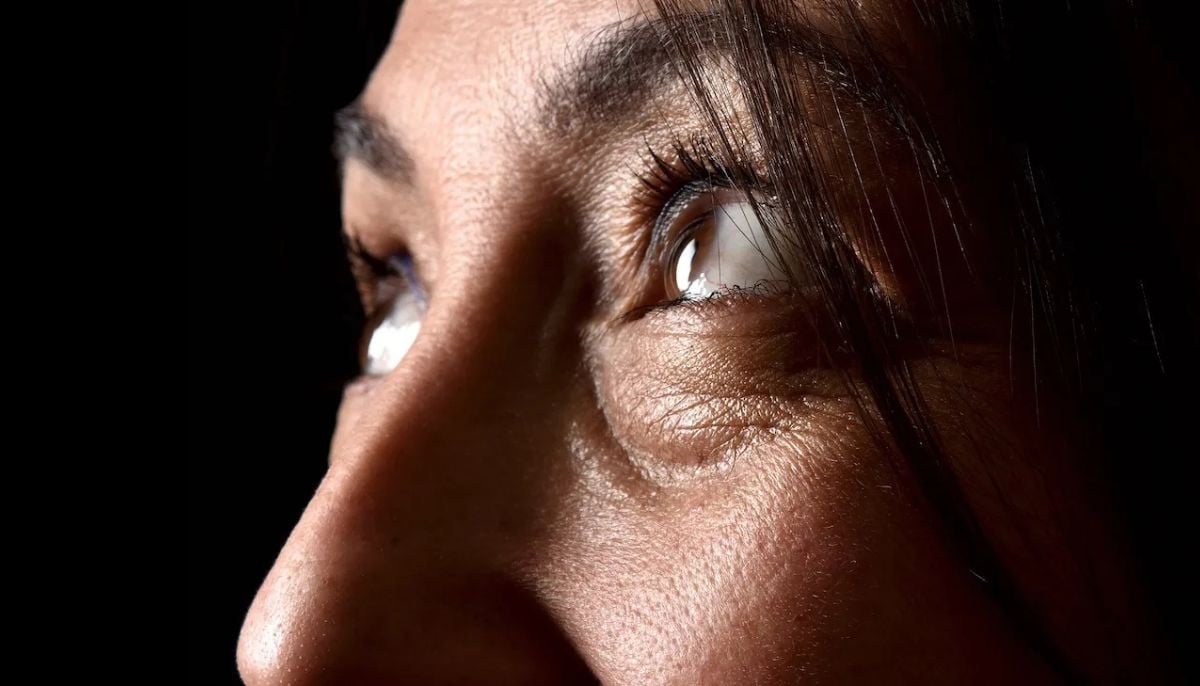
Fluid retention often manifests as facial puffiness due to the loose nature of eyelid tissue
Kidney disease is frequently described as a silent condition, often progressing gradually before any alarming symptoms manifest.
Recognising the body’s subtle signals is essential for early detection and the prevention of further damage.
Dr Kunal Sood, an anaesthesiologist and interventional pain medicine physician, explains, “Kidney disease can develop silently and often progresses quietly. Early signs like foamy urine, swelling, fatigue, or appetite changes should prompt evaluation rather than being ignored.”
Indicators in filtration
Changes in urination often provide the first clues to renal struggle. Dr Sood notes, “Foamy urine can signal protein leakage (albuminuria) from damaged glomeruli. Proteins act as surfactants, stabilising bubbles and creating persistent foam.”
Additionally, dark or tea-coloured urine may indicate haematuria. The physician explains, “Dark urine may reflect haem pigments from blood or muscle breakdown,” which can signal significant kidney stress.
Physical swelling and fatigue
Disruptions in fluid balance often lead to oedema, appearing as swollen ankles or puffy eyes. Dr Sood elaborates, “Oedema occurs when fluid balance is disrupted. In kidney disease, protein loss lowers oncotic pressure and fluid leaks into tissues.”
This is frequently accompanied by exhaustion, as “Fatigue is one of the most common symptoms in CKD, affecting up to 70 per cent of patients.”
Systemic symptoms
As function declines, the build-up of waste products—known as uraemia—can affect the gastrointestinal system. Dr Sood highlights, “Uraemia is associated with nausea, poor appetite, altered taste, and weight loss.”
Seeking a timely medical evaluation for these symptoms can make a significant difference in long-term health outcomes.
Note: This information is for educational purposes only and does not count as medical advice. Readers should always consult a qualified doctor regarding any questions about their health or a medical condition.