Home / Lifestyle
Experts debunk common hygiene myths surrounding recurring dandruff flakes
A naturally present fungus called Malassezia feeds on scalp sebum to trigger inflammatory reactions
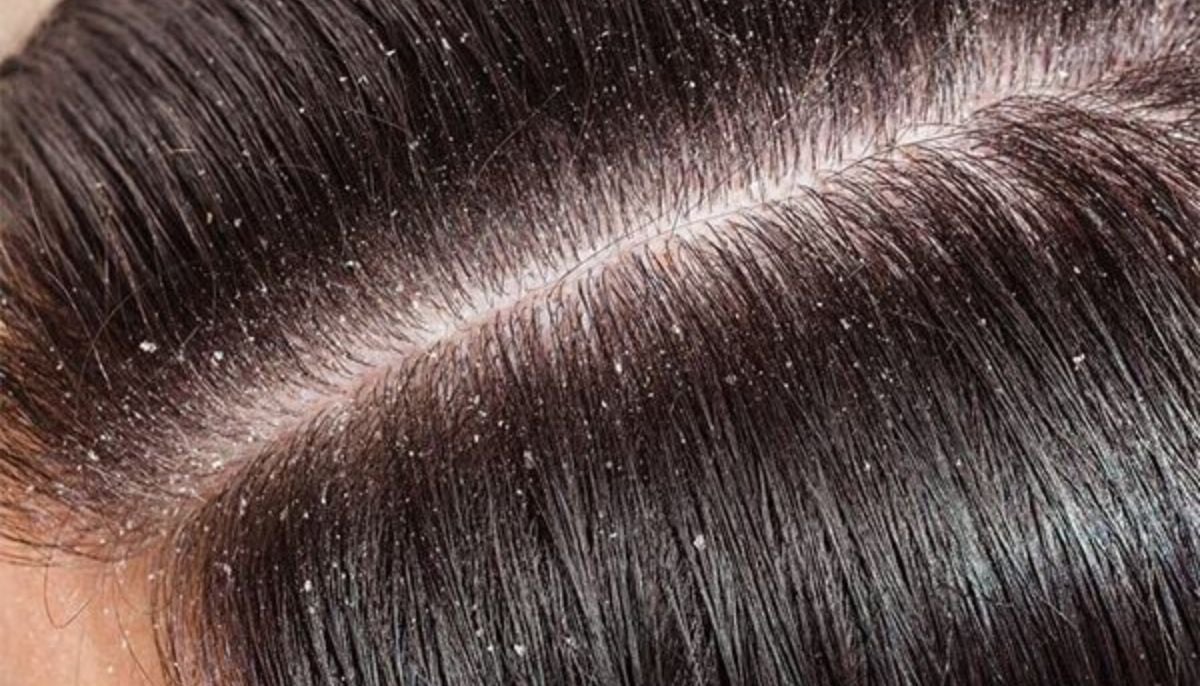
Dandruff is frequently dismissed as a uniform annoyance, yet dermatologists warn that a 'one-size-fits-all' approach often fails to address the root cause.
Dr Ankur Sarin, a dermatologist at Sarin Wellness, notes that "In the clinic, dandruff rarely looks the same in every person."
Whether appearing as fine white dust or oily buildup, the condition is primarily driven by an imbalance of a fungus called Malassezia.
Understanding the fungal trigger
This yeast resides naturally on the scalp, feeding on sebum. However, sensitivity to its by-products can accelerate skin cell turnover.
Dr Sarin explained, "Instead of shedding invisibly, these cells stick together and become visible flakes."
This reaction leads to irritation, clumping, and persistent itching regardless of whether the scalp is naturally oily or dry.
Identifying distinct types
The presentation of dandruff typically falls into three categories. Oily, sticky flakes often signal an overgrowth of Malassezia fuelled by excess sebum.
Conversely, dry, powdery flakes are frequently mistaken for simple dehydration but remain linked to fungal activity.
A third type involves intense redness and scaling, often exacerbated by sweat, pollution, or irregular cleansing.
The importance of ingredients
Effective long-term management requires moving beyond surface cleaning. Dr Sarin suggests prioritising anti-fungal agents like Piroctone Olamine.
He explained, "Piroctone Olamine works directly on the scalp by helping control the growth of dandruff-causing fungus."
Rather than merely washing away debris, such ingredients "correct the microbial imbalance" responsible for the condition’s recurrence.
Note: This information is for educational purposes only and does not count as medical advice. Readers should always consult a qualified doctor regarding any questions about their health or a medical condition.