Expert explains how food structure and eating speed influence calorie absorption
Changing the physical structure of food alters how quickly it is metabolised by the body
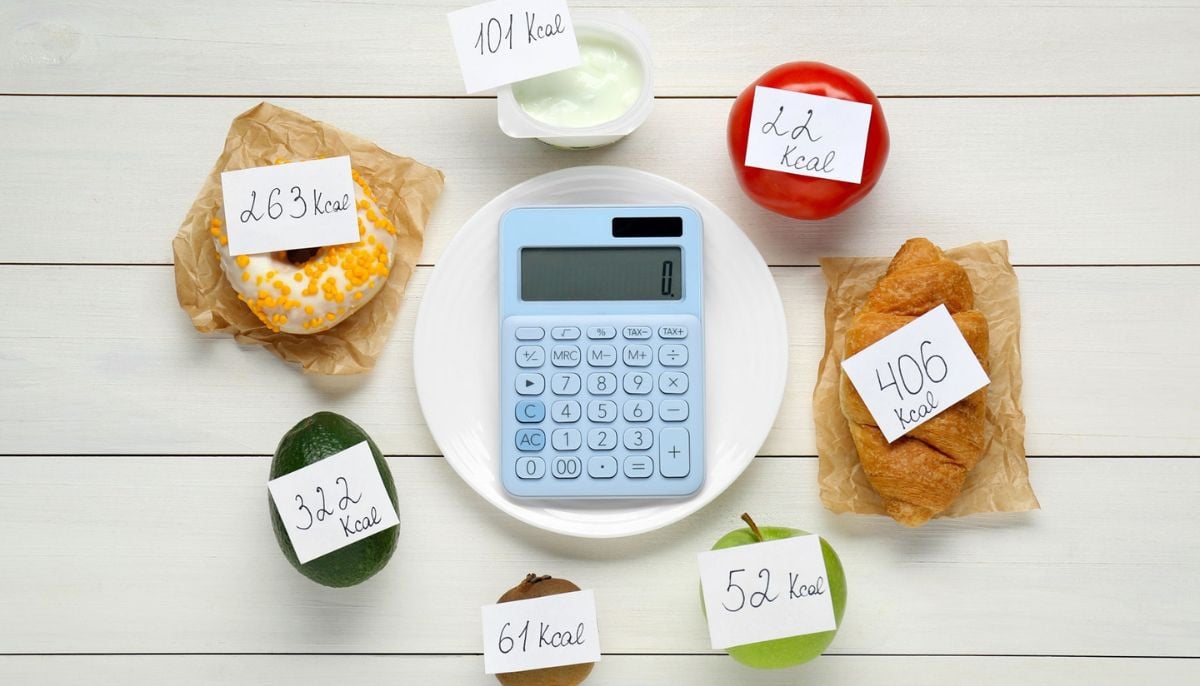
Every individual is keen to know how the time of day they eat, how fast they eat, and even how much they chew can affect calorie intake.
There is a complex biological interaction taking place inside our bodies influenced by the type of food we eat and how quickly we consume it.
A diet filled with fresh vegetables is undoubtedly better than one dominated by cheeseburgers, but timing plays a crucial role in nutrient extraction.
Chrono nutrition and metabolic rhythms
Researchers are increasingly focusing on how our internal clocks impact health. One study showed that overweight and obese women lost more weight when they consumed the majority of their calories at breakfast, compared to those who ate the most in the evening—even though they were eating the same total number of calories.
Circadian Connection: Scientists believe our circadian rhythms are connected to how we digest and metabolise food.
Meal Windows: Reducing the time between the first and last meal of the day may lead to eating fewer calories overall.
Lunch Timing: Research in Spain found that those who ate lunch earlier maintained a lower weight more easily than those who ate after 15:00.
The impact of food structure
The number of calories we absorb depends on the structure of the food, which determines how easily nutrients are released.
Changing the structure of the food alters its texture, how quickly it is metabolised, and where the nutrients are absorbed.
This biological interaction remains a key consideration for effective long-term weight management and digestive health.
Please Note: This information is for educational purposes only and does not count as medical advice. Readers should always consult a qualified doctor regarding any questions about their health or a medical condition.