Home / Crime
Apartheid police commander 'Prime Evil' testifies on killings
Eugene de Kock revealed that a police officer linked to killings sought his assistance to cover up incident
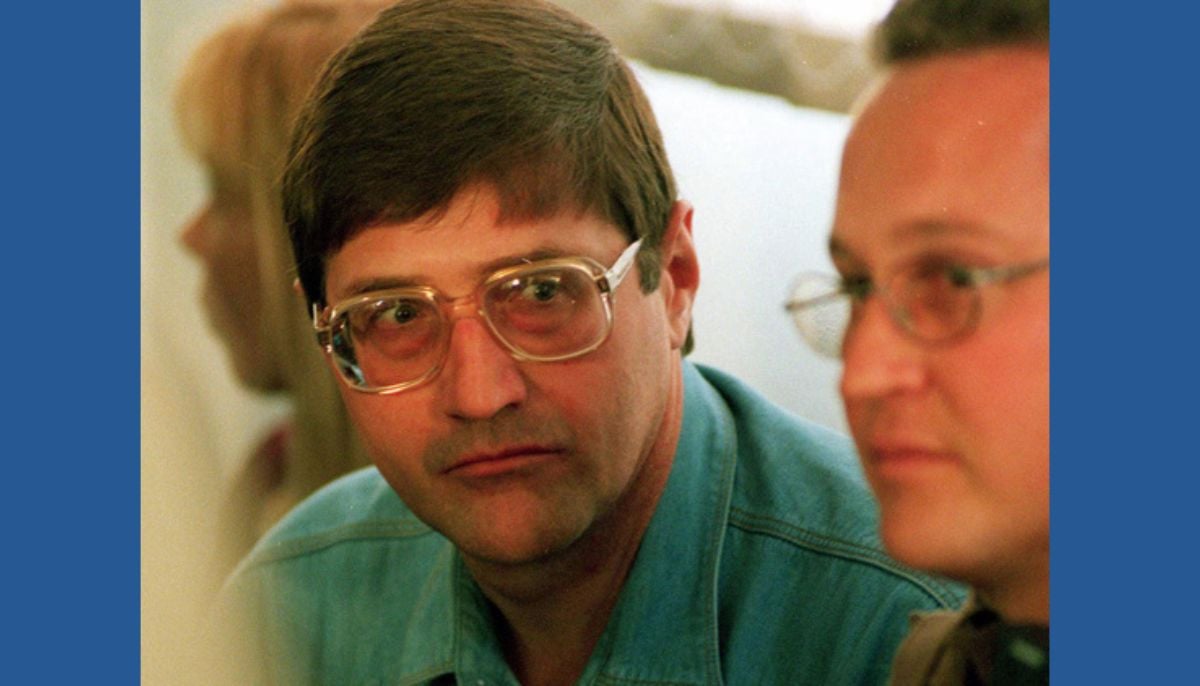
A former apartheid police leader from South Africa, infamous for his brutal tactics, addressed an inquiry on Monday.
The focus was on the 1985 murder of four activists, part of a broader investigation into unpunished abuses by security forces during the era of racial segregation.
Eugene de Kock, notorious as "Prime Evil," rejected claims of his part in the case of the Cradock Four.
He disclosed that law enforcement at the time maintained images of about 6,000 anti-apartheid activists, deemed as "known terrorists," who were targeted for elimination if capture wasn’t feasible.
According to him, the Cradock Four were not on this list. Matthew Goniwe, Fort Calata, Sicelo Mhlauli, and Sparrow Mkonto—all except one were educators—were seized at a police checkpoint and murdered. Their charred remains became emblematic of the horrors of apartheid.
De Kock shared that an officer linked to these murders asked him for help in orchestrating a cover-up.
"He was curious if I could obtain another weapon," de Kock explained, mentioning he was questioned "about potential interference with the forensic evidence."
De Kock led a notorious police unit during apartheid. He faced two life sentences and an additional 212 years in 1996 for crimes including murder, kidnapping, and more, tied to the abduction and killing of activists. He was released on parole in 2015.
As reported by BBC News, his father, Lawrence de Kock, held a judicial position and maintained a close friendship with apartheid-era Prime Minister John Vorster.
The BBC also quoted his brother, Vossie de Kock, describing him as a "non-violent child."
De Kock sought forgiveness from some victims, the BBC noted. In a letter to the family of attorney Bheki Mlangeni, whom he killed with a letter bomb, he confessed: "Living with the burden of such a horrific act and having no one to absolve you is the harshest punishment. My own death pales in comparison."
Now 77, de Kock attended a court session in Gqeberha, where the Cradock Four were murdered, with police escort.
The official video coverage blurred his image, following a judge's directive, noted the Foundation for Human Rights, which advocates for some of the victims' families.
Two prior investigations into the case during apartheid were suspected of being misleading.
An inquiry from 1987 concluded the men were murdered by unknown assailants, while one in 1993 attributed their deaths to unnamed police agents.
The current inquiry commenced following family insistence. Though identified, the six ex-officers involved were never charged and were refused amnesty during South Africa’s post-apartheid Truth and Reconciliation Commission in the late 1990s. All have since passed away.