Home / Lifestyle
Expert explains how common diabetes medication works directly within human brain
Research identifies specific neural pathways responsible for managing full body glucose metabolism
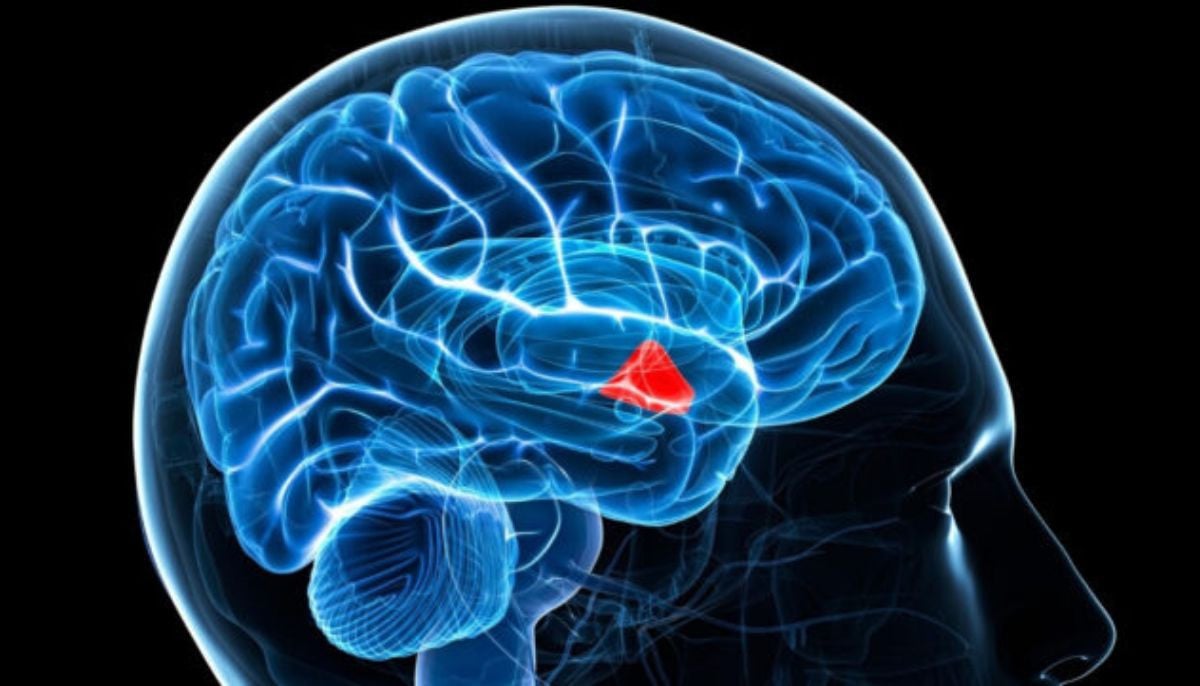
Metformin has served as a primary treatment for type 2 diabetes for over six decades, yet its precise mechanism remained partially mysterious.
A 2025 study from Baylor College of Medicine suggests the drug works directly in the brain. Makoto Fukuda, a pathophysiologist at Baylor, stated, "We looked into the brain as it is widely recognized as a key regulator of whole-body glucose metabolism."
Brain pathway discovery
Researchers identified a protein called Rap1 in the ventromedial hypothalamus (VMH) that impacts glucose levels. Tests showed metformin travels to the VMH to essentially turn off Rap1.
Fukuda noted, "We found that SF1 neurons are activated when metformin is introduced into the brain, suggesting they're directly involved in the drug's action." Interestingly, the brain reacts to much lower concentrations of the drug than the liver or intestines.
Longevity and future treatments
Beyond diabetes, metformin is considered a gerotherapeutic. A study of 400 postmenopausal women found that those using metformin had a 30 percent lower risk of dying before age 90 compared to other treatments.
The drug is linked to "exceptional longevity" by limiting DNA damage and slowing brain ageing.
While generally safe, side effects like nausea affect up to 75 percent of users. However, understanding the brain's role could lead to more targeted, safer therapies.
Fukuda concluded, "These findings open the door to developing new diabetes treatments that directly target this pathway in the brain." Future investigations will explore if this same signaling is responsible for the drug's well-documented anti-ageing effects.