Home / Lifestyle
How to manage sudden medical seizures using first response techniques
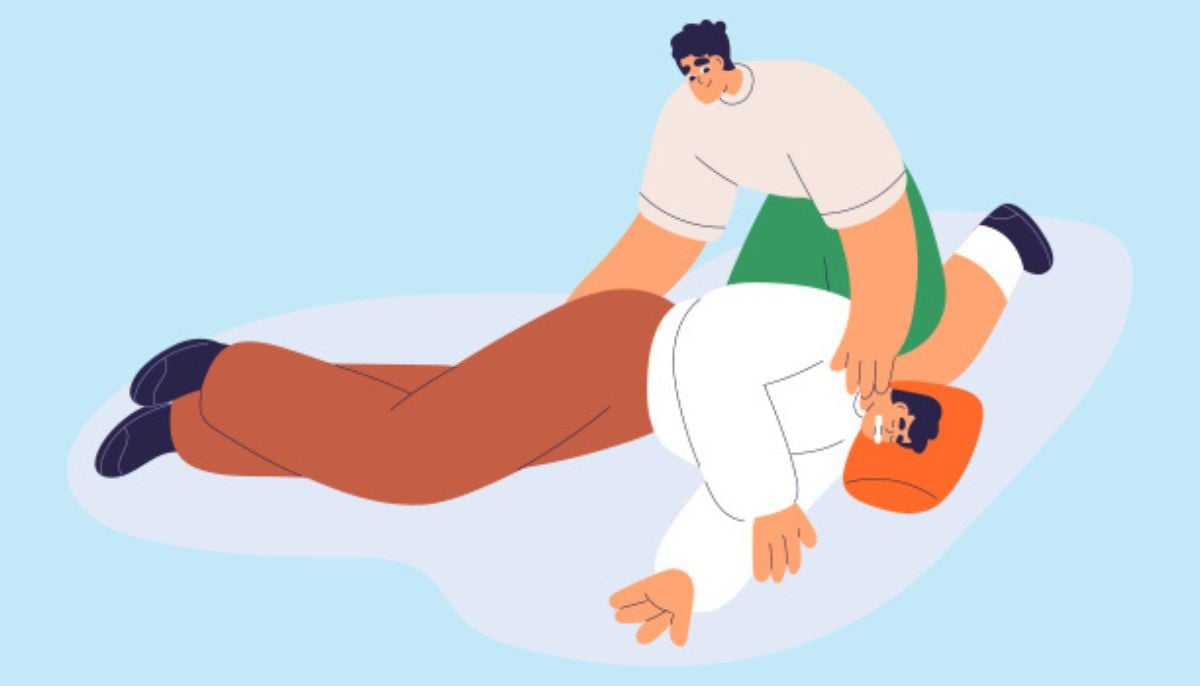
Placing victims on their sides helps maintain clear airways and prevents choking
Knowing how to respond to a medical emergency can save lives, especially during seizures that strike without warning. John Hopkins Medicine describes these events as sudden jerking movements, body stiffening, or staring into space.
Other signs include breathing difficulties and loss of consciousness. Dr Praveen Gupta, a neurologist with over 20 years of experience at Marengo Asia Hospitals, explained that while these fits are scary, staying calm is the most important first step for any bystander.
First-response steps
To ensure the safety of the individual, Dr Gupta outlined specific measures to take until professional help arrives:
- Keep the person safe: Remove risky furniture or sharp objects to prevent accidental injury.
- Lay them down properly: Help the person lie on their side with something soft under their head.
- Do not restrict their movements: Let the seizure happen naturally; trying to stop it can cause harm.
- Use prescribed emergency medication: Use directed rescue medicine, such as midazolam nasal spray, only if trained.
When to seek help
Dr Gupta noted that most seizures stop within two to three minutes. However, he warned, “If the seizure continues beyond this, or if another seizure starts soon after, seek medical help immediately and take the person to a hospital.”
He also cautioned strictly against putting any fingers, spoons, or cloth into the person’s mouth, as this can cause choking.
Maintaining a clear airway and a safe environment is paramount to keeping the patient protected until they can be evaluated by a medical team.
"Please Note: This information is for educational purposes only and does not count as medical advice."