Home / Lifestyle
How to reduce period pain by balancing the gut liver loop
Natural gel forming fibres trap waste products to ensure healthy regular excretion
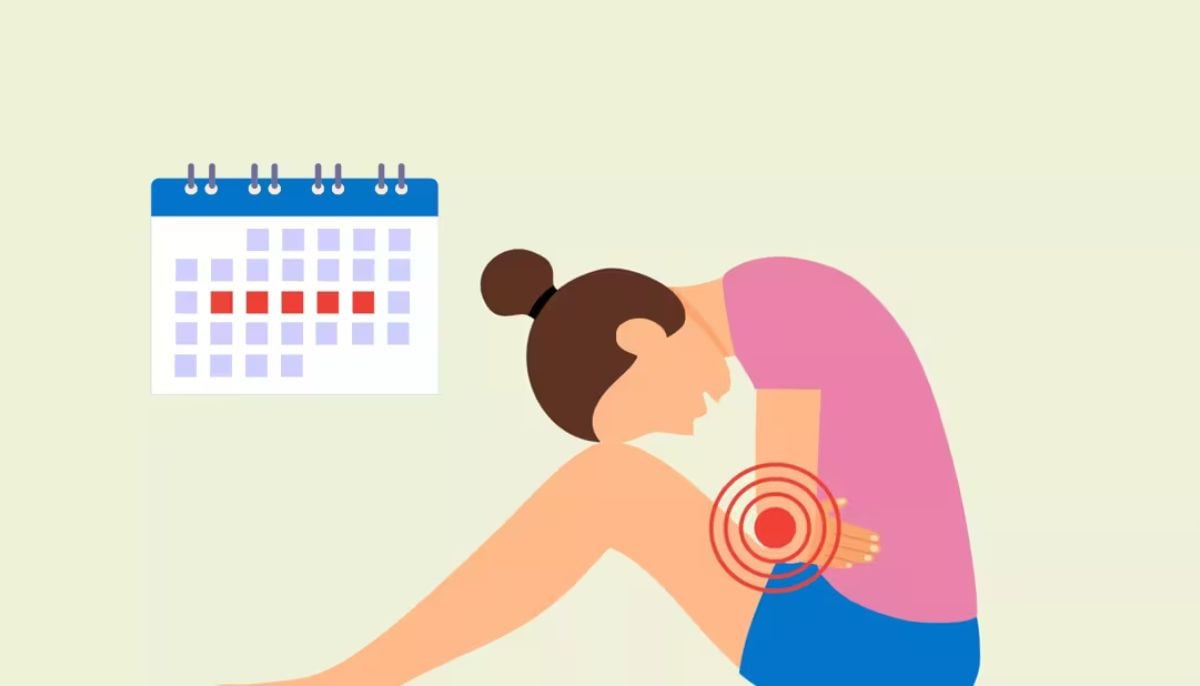
Monthly period cramps and PMS are largely driven by hormonal fluctuations that can be debilitating. Karan Rajan, a UK-based surgeon and health content creator, explained on Instagram on March 24 how soluble fibre supports hormonal balance.
Oestrogen and progesterone are processed in the liver and sent to the gut for elimination. However, Dr Rajan notes, “In the colon, there's a special group of gut bacteria called the estrobolome that can sneak these hormones back into your bloodstream and reabsorb them.”
This process, known as enterohepatic recirculation, can lead to excess oestrogen, fueling cramps, heavy periods, and bloating.
The soluble fibre effect
Increasing soluble fibre intake supports the body in two specific ways. Firstly, it forms a gel that binds to excess hormones.
The surgeon highlights, “First, it forms a gel that traps excess oestrogen and bile acid, so you can literally flush them out in your poop.”
Secondly, it acts as a prebiotic. Dr Rajan explains, “It shifts gut microbiome composition by feeding good bacteria like Bifidobacteria,” which do not reactivate oestrogen, thereby rebalancing the gut-liver-hormone loop.
How does this affect period symptoms?
Flushing out excess oestrogen restores a stable oestrogen-progesterone ratio. This equilibrium reduces prostaglandins, the chemicals responsible for painful cramps.
The surgeon explains, “The result is a more stable oestrogen-progesterone ratio and fewer prostaglandins, those chemicals behind painful cramps. Plus, the soluble fibre can help with both period-related diarrhoea and constipation.”
Recommended sources for this prebiotic fibre include chia seeds, oats, beans, and flaxseeds, which collectively help manage menstruation-related discomfort through natural, diet-based regulation.
"Please Note: This information is for educational purposes only and does not count as medical advice. Readers should always consult a qualified doctor regarding any questions about their health or a medical condition."