Home / Royals
Discover Prince Philip's solo final night before passing
The Duke of Edinburgh is featured in Hugo Vickers' new book, 'Queen Elizabeth II'
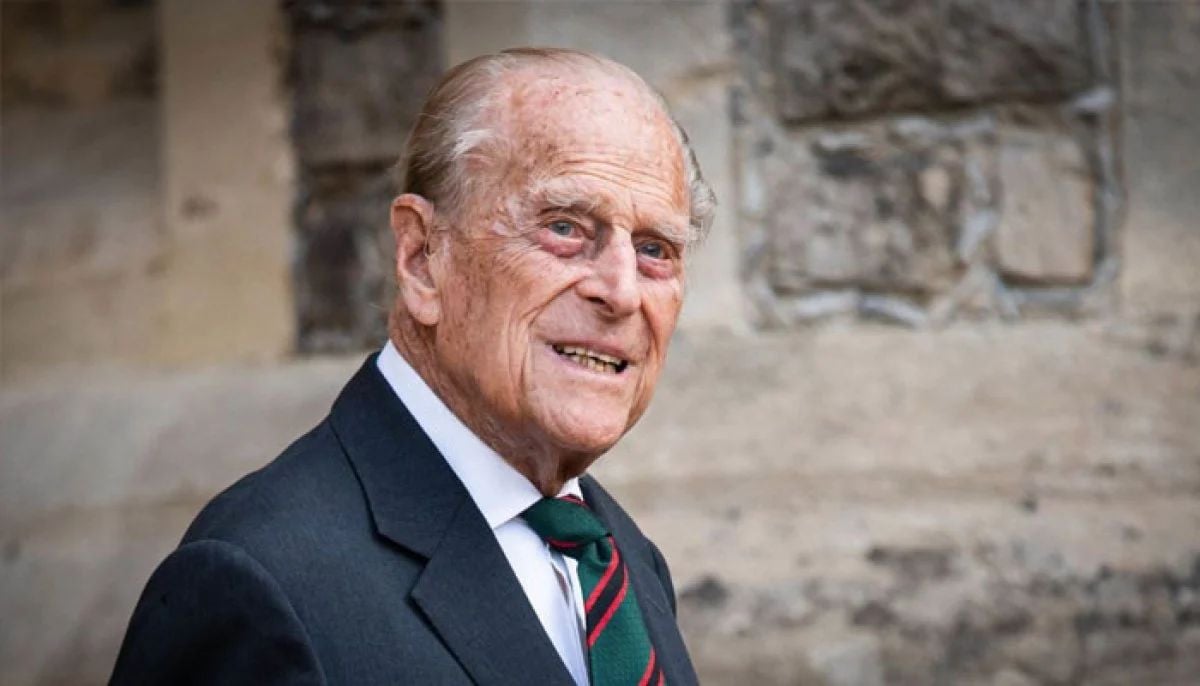
Prince Philip was famed for his stoic nature and his desire to avoid any fuss about him.
In the latest book, Queen Elizabeth II, royal historian Hugo Vickers discusses the Duke of Edinburgh's final evening.
In a conversation on HELLO!'s A Right Royal Podcast, he explained: "The night before his passing, he used his Zimmer frame to make his way to the Oak Room, which is the room above the entrance from where the Queen's car left for the funeral, and he enjoyed a beer all alone.
"He managed to evade his nurses. He did not wish to turn 100 and quietly drifted away. He got up, likely took a bath, felt unwell, laid down, and that was the end."
The royal historian also mentioned how Philip probably wouldn't have enjoyed any fanfare had he reached 100; he passed away two months short of the milestone. "He surely did not want a celebration," he stated.
"Recall that nothing was arranged for it, and had he been healthier, I bet the only thing he would have done is attend church.
"He attended church on his 80th and 90th birthdays, and for his 90th, his family traveled from across the globe, from Canada, from Germany. They felt it was wonderful he was present and they could honor that with him, as often they would only gather for a funeral, but this time, around 120 of them came together."
Hugo mentioned in the book: "The Queen was absent when he passed. There were often moments in earlier times when she would instruct the staff to inform her when Philip was leaving, only to be told 'His Royal Highness left 20 minutes ago'. I was informed she felt 'incredibly upset that, as frequently occurred in life, he left without a farewell'."
The book, currently being serialised in the Daily Mail, also uncovers other details about the late monarch's life, including how, during her final years, Elizabeth II had "lots on her mind", dealing with familial challenges involving Prince Harry and Andrew Mountbatten-Windsor, as well as the then Prime Minister, Boris Johnson.