Home / Lifestyle
Study links higher B vitamin intake to reduced stroke risk
Researchers say moderation is key when it comes to B vitamin consumption

A new study suggests that increasing intake of certain B vitamins may be associated with a reduced risk of stroke, adding to growing evidence that diet plays a key role in long-term brain and cardiovascular health.
Published in the American Journal of Preventive Cardiology, the research found that individuals with higher consumption of B vitamins, including thiamin, riboflavin, niacin, pyridoxine, and folate, showed a 10% to 20% lower risk of stroke compared to those with the lowest intake levels.
The findings were based on data from two major research initiatives: the Women’s Health Initiative, which tracked over 120,000 postmenopausal women, and the All of Us Research Program, which included nearly 100,000 participants with measured blood vitamin levels.
Both datasets revealed similar patterns, particularly linking higher levels of folate and pyridoxine to reduced stroke risk.
However, researchers emphasized that the benefits appear to plateau beyond certain intake levels.
Except for folate, which continued to show positive associations at higher levels, most B vitamins did not provide additional protection once consumption exceeded a moderate range.
Experts caution that the study identifies a correlation rather than a direct cause-and-effect relationship.
Self-reported dietary data and the absence of controlled experimental conditions mean further research is needed to confirm whether B vitamins themselves actively reduce stroke risk.
Still, scientists say there are plausible biological explanations. B vitamins support essential cellular processes and play a critical role in maintaining the health of blood vessels and brain function, both key factors in stroke prevention.
Despite the promising findings, health professionals advise against turning to high-dose supplements without medical guidance.
Excessive intake may not provide added benefits and, in some cases, could be counterproductive.
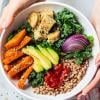
Instead, experts recommend obtaining B vitamins through a balanced diet. Foods such as leafy greens, whole grains, eggs, fish, and lean proteins remain some of the best natural sources.
Individuals with dietary restrictions, including vegetarians, may require supplementation, but only after consulting a healthcare provider.