Culture now drives human evolution more than environment, study finds
Study claims technology and culture are outpacing genetic adaptation in humans
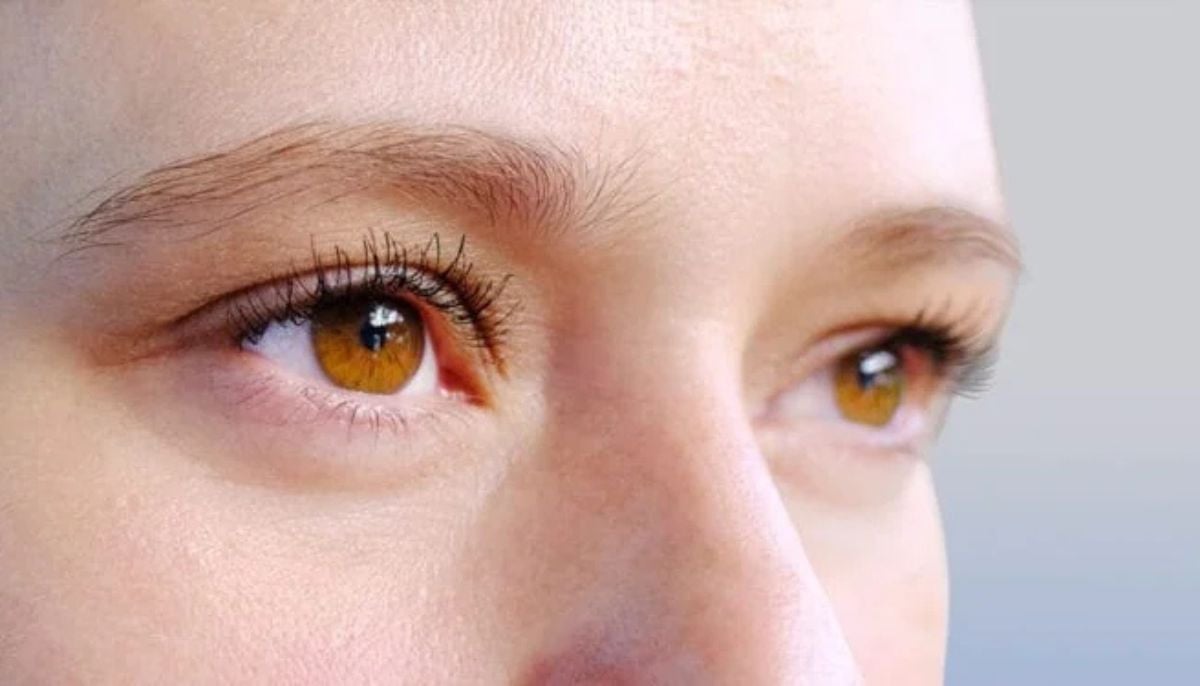
Cultural Evolution Researcher Tim Waring, of the University of Maine, says human evolution "seems to be changing gears" as culture begins to outweigh environmental pressures in shaping our species. Waring co-authored a study on the subject, published in September 2025.
According to multiple teams of scientists, human culture, including technology, medicine and collaborative problem-solving, may now be shaping human evolution more than environmental pressures and the limitations of the human body. This is because the solutions people invent, from central heating to contact lenses, can solve biological challenges far faster than evolution can, reducing the pressure for genetic adaptation.
How evolution usually works
Evolution is the process by which living organisms gradually change through inherited genetic variation, typically unfolding slowly over many generations. It is usually shaped by environmental pressures that determine which genes are more likely to be passed down to future generations.
A well-known example involves malaria. In tropical regions where the disease is common, sickle cell genes are also more frequent, because people who carry one copy of the sickle cell gene gain protection against malaria, making them more likely to survive and pass the gene to their children.
Culture has long shaped human genetics
Throughout known human history, culture has also exerted selection pressures. The ability to digest lactose into adulthood likely arose in early pastoralist cultures.
"When we learn useful skills, institutions, or technologies from each other, we are inheriting adaptive cultural practices," Waring said. "On reviewing the evidence, we find that culture solves problems much more rapidly than genetic evolution. This suggests our species is in the middle of a great evolutionary transition."
Traditional buffalo herders of South Asia have unusually high lactose tolerance, illustrating this kind of cultural-genetic interplay. In the isolated French-Canadian population of Île aux Coudres, the age at which women first have babies has decreased over 140 years, a shift reflected at the genetic level.
'Cultural evolution eats genetic evolution for breakfast'
Humans are still evolving, and environmental pressures still shape much of that evolution. But Waring and his co-author, Evolutionary Ecologist Zachary Wood, also of the University of Maine, argue that culture has now become the dominant influence on those selection pressures.
"Cultural evolution eats genetic evolution for breakfast," Wood said. "It's not even close."
This does not necessarily mean culture is producing new genetic adaptations, the researchers note. In many cases, it simply removes pressures that might once have shortened a person's lifespan. In ages past, mothers may have died in childbirth if a baby was too large for the birth canal; now, caesarean sections allow such mothers to survive and potentially have additional large babies in future.
There are now cures for diseases such as plague, but the pandemic that ravaged 14th-century Europe has left a mark still discernible in the genomes of survivors' descendants.
Measuring the pace of change
Waring and Wood developed a testable theory proposing that because culture evolves far faster than genes, it could be driving a gradual shift in how human traits are shaped. They then developed quantitative methods to measure how quickly this shift might be unfolding. Their results suggest the transition may already be underway, and could even be accelerating.
"Ask yourself this: What matters more for your personal life outcomes, the genes you are born with, or the country where you live?" Waring said. "Today, your wellbeing is determined less and less by your personal biology and more and more by the cultural systems that surround you – your community, your nation, your technologies. And the importance of culture tends to grow over the long term because culture accumulates adaptive solutions more rapidly."
Could weakening natural selection backfire?
Some researchers argue this shift could have deeper consequences. If technology continues to shield humans from natural selection, it may also alter how evolution operates over the long term.
According to a paper published in June 2025 by an international team led by Microbiologist Arthur Saniotis, of Cihan University-Erbil in Iraq, humans have been so successful at reducing external selection pressures that they may have weakened their own evolutionary trajectory. Saniotis and his colleagues suggest humanity may need various medical and technological enhancements to offset what they call the "deleterious effects to human phenotypes due to relaxed natural selection."
In other words, by using culture and technology to improve their lives, humans may have created a feedback loop in which they must continue to rely on them to survive.
A controversial idea
The theory touches on concepts that echo the troubling history of eugenics, raising difficult questions about how far humans should go in using technology to shape their own biology. However, the researchers suggest the solution may not lie in technology at all.
"Cultural organization makes groups more cooperative and effective," Waring explained. "If cultural inheritance continues to dominate, our fates as individuals, and the future of our species, may increasingly hinge on the strength and adaptability of our societies."
Waring and Wood's paper was published in the journal Bioscience.