Researchers warn of toxin exposure linked to everyday snack foods
A new study found higher levels of mycotoxins in people who consumed more corn- and grain-based snacks
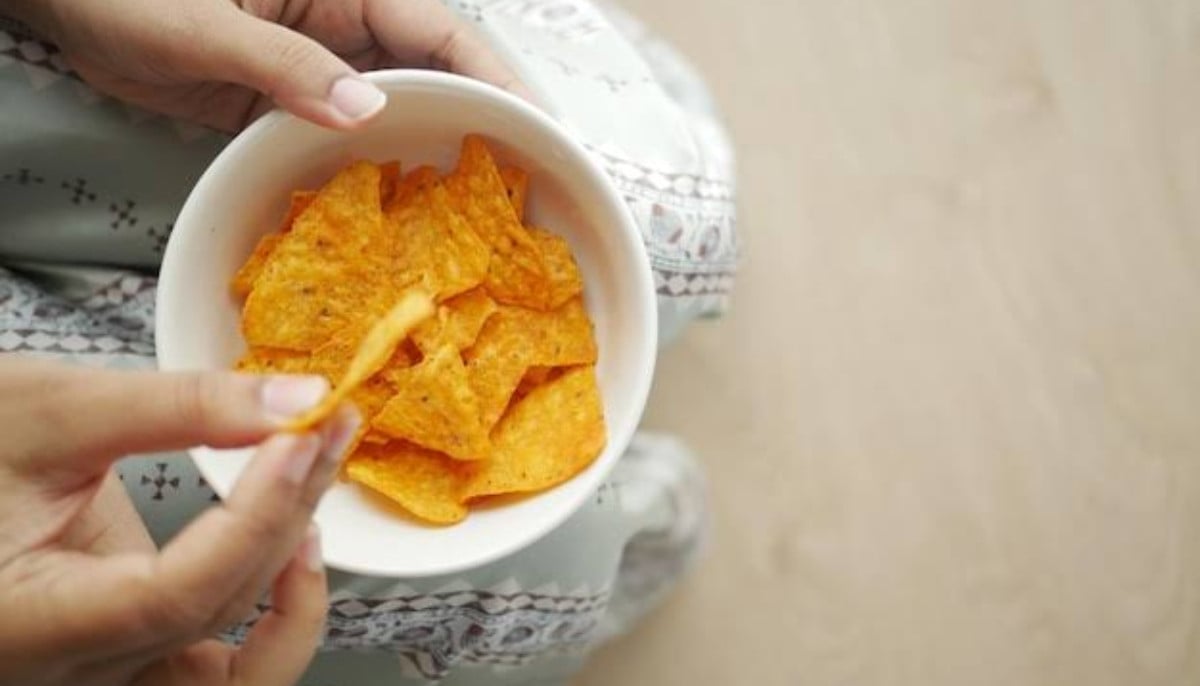
A new study suggests that eating popular corn- and grain-based snacks may increase exposure to mycotoxins, naturally occurring toxins produced by certain moulds and fungi that have been linked to cancer and other health concerns.
Researchers from Rutgers University analysed urine samples from 33 pregnant women in New Jersey and detected mycotoxins in every participant.
The study found that women who consumed more corn and grain products, including popcorn, corn chips and corn tortillas, had higher levels of exposure.
The research, published in the Journal of Exposure Science & Environmental Epidemiology, focused on zearalenone, a mycotoxin produced by Fusarium fungi that can contaminate crops such as corn, wheat and oats.
The toxin can also enter meat and dairy products from animals fed contaminated grain and is capable of surviving high cooking temperatures.
Scientists noted that zearalenone acts like estrogen in the body, raising concerns because the hormone plays a key role in fetal development during pregnancy.
Previous studies have linked exposure to the toxin with increased weight gain during pregnancy and lower birth weight in infants.
Lead author Zorimar Rivera-Núñez said mycotoxins are among the world's most common food contaminants, but their dietary sources in the United States remain poorly understood.
Researchers emphasized that the study was small and focused only on pregnant women, meaning the findings do not prove that eating these foods directly causes cancer or other illnesses. Instead, they highlight a possible link that warrants further investigation.
The team called for greater awareness of mycotoxin exposure, particularly during pregnancy, while encouraging consumers to properly inspect and store grains, nuts and dried foods to reduce the risk of mold contamination.
The World Health Organization also recommends discarding foods that appear moldy, discolored or shriveled and storing them in cool, dry conditions.