Thinking about drinking Kefir? Here's what to know
Kefir is rich in probiotics, protein and essential nutrients
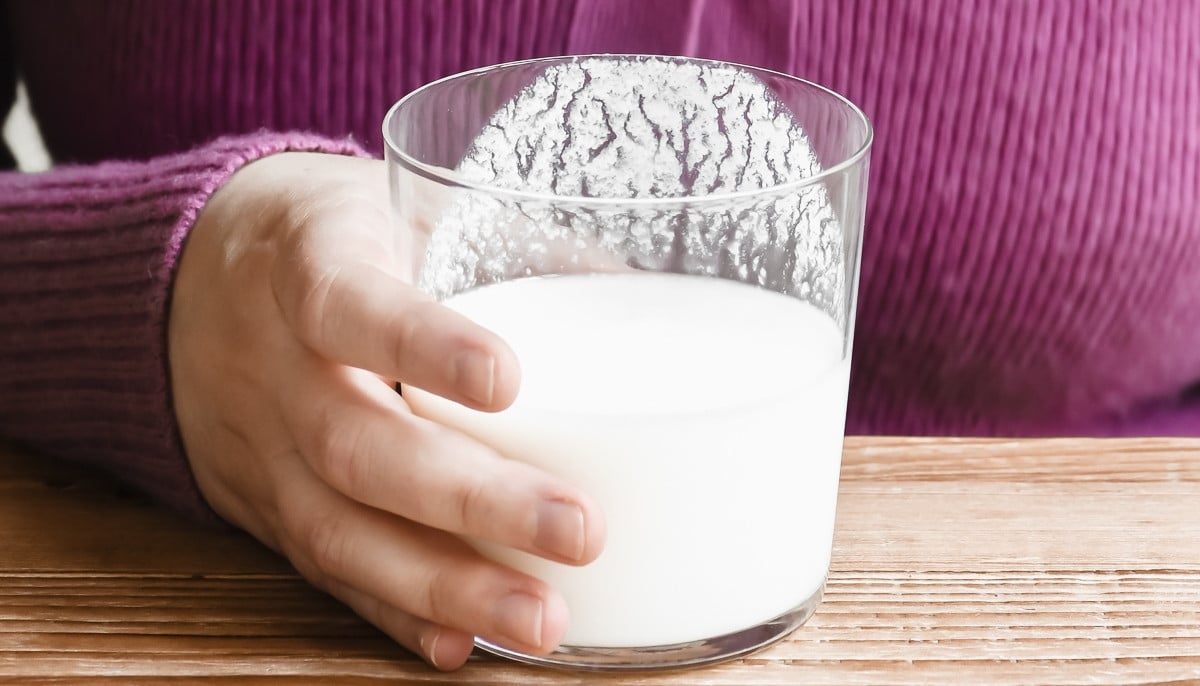
Kefir, a fermented milk drink packed with probiotics, has become increasingly popular among people looking to improve their gut health. Similar to yogurt but made using beneficial bacteria and yeast cultures, kefir also provides protein, calcium and several essential vitamins and minerals.
Research suggests that regularly drinking kefir may support digestive health, help regulate blood sugar and contribute to stronger bones. However, it may not be suitable for everyone.
May improve gut health
One of kefir's biggest health benefits comes from its probiotic content. It contains more than 50 species of beneficial bacteria and yeast, including strains such as Lactobacillus, Lactococcus and Streptococcus.
These probiotics may help reduce inflammation in the digestive tract while increasing the production of short-chain fatty acids, compounds that support a healthy gut lining.
Studies also suggest kefir may lower levels of zonulin, a protein linked to increased intestinal permeability. Lower zonulin levels may indicate a stronger gut barrier and improved digestive health.
Experts note that traditionally made kefir may contain a wider variety of probiotics than some commercially produced versions.
Could help regulate blood sugar
Research suggests kefir may improve blood sugar control, particularly in people with elevated blood sugar levels or type 2 diabetes.
Studies have found that people who regularly consume kefir may experience reductions in fasting blood sugar and insulin levels compared with those who do not.
Scientists believe probiotics in kefir may help reduce inflammation that can damage insulin-producing cells in the pancreas. Its protein content may also slow digestion, helping prevent rapid spikes in blood sugar while increasing feelings of fullness.
Supports bone health
Kefir is rich in nutrients essential for maintaining healthy bones, including protein, calcium, phosphorus and magnesium.
Getting enough of these nutrients may help reduce the risk of osteoporosis, a condition that weakens bones and increases the likelihood of fractures.
Some research also suggests kefir may help preserve bone mineral density and support healthy bone formation.
What's in kefir?
A one-cup serving of plain, low-fat kefir typically provides:
- 104 calories
- 9.2 grams of protein
- 2.5 grams of fat
- 11.6 grams of carbohydrates
- 316 milligrams of calcium
- 255 milligrams of phosphorus
- Vitamin A
- Vitamin B12
- Selenium
- Zinc
The exact nutritional content varies depending on the product, fat content and whether sugar or flavourings have been added.
Who should avoid kefir?
Most kefir is made from dairy milk, making it unsuitable for people with milk allergies or those following a vegan diet. Plant-based alternatives made from coconut or oats are available.
Although fermentation lowers the lactose content, kefir still contains some lactose. People with lactose intolerance may prefer lactose-free versions.
Consumers should also check nutrition labels, as some flavoured kefir products contain added sugars, which may reduce their overall health benefits.
Easy ways to add kefir to your diet
Kefir can be enjoyed on its own or incorporated into everyday meals. Popular ways to use it include:
- Blend it into smoothies.
- Use it instead of milk in overnight oats or chia pudding.
- Mix it into homemade salad dressings.
- Make frozen yoghurt or frozen desserts using kefir and fresh fruit.
Note to readers: This article is for informational purposes only and not a substitute for professional medical advice. It is based on user-generated content from social media, and the claims have not been independently verified.