Food safety experts identify ten high risk dietary items
The foods are not inherently bad; handling practices and raw consumption create severe health hazards
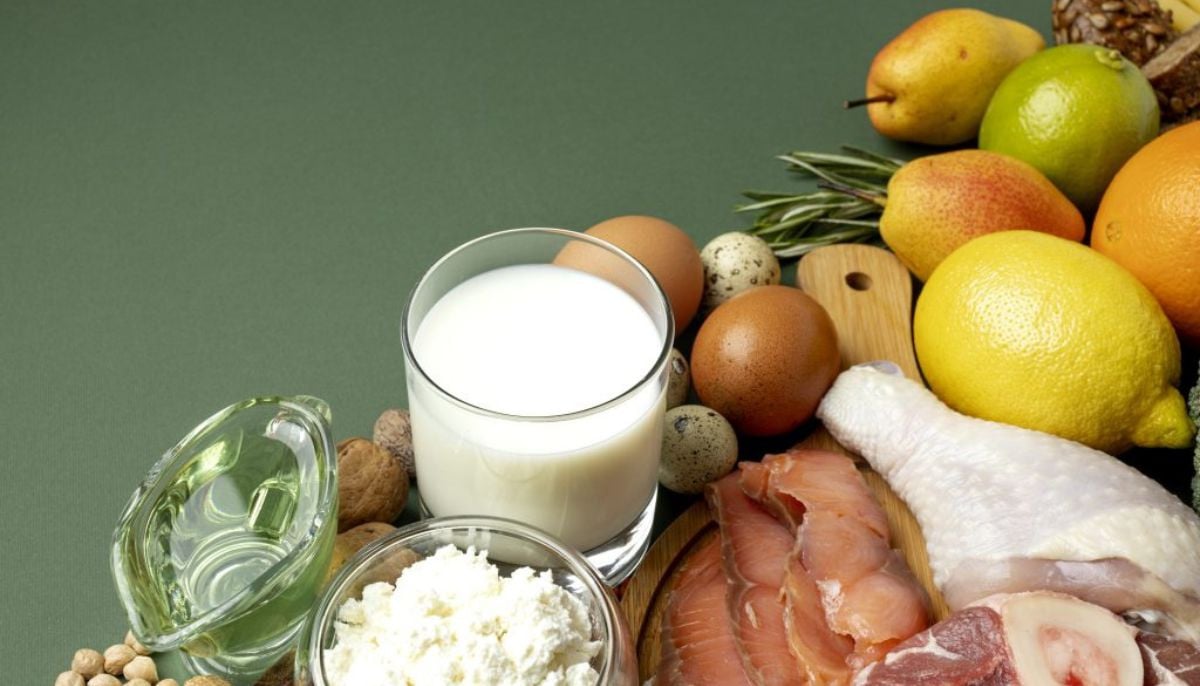
Food safety experts identified ten everyday foods and beverages that pose significant risks of contamination and foodborne illness, warning consumers to avoid them or exercise extreme caution during preparation.
Hindustan Times reported that the specialists compiled the list following years of evaluating and investigating foodborne illness outbreaks. The report detailed how daily food items can harbour dangerous bacteria, viruses, and parasites that lead to severe health complications. Food safety lawyer Bill Marler, alongside other researchers, emphasised that while these foods are not inherently bad, handling practices and raw consumption create severe health hazards.
1. Raw milk and raw cheese
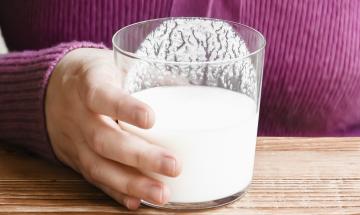
Unpasteurised milk contains dangerous pathogens capable of causing life-threatening health issues. Marler noted that consuming raw milk can lead to severe organ damage, specifically targeting the kidneys and brain, while causing neurological complications or death in children.
2. Cantaloupe
Northeastern University associate teaching professor Darin Detwiler labelled cantaloupe one of the riskiest grocery fruits because its rough exterior cannot be cleaned properly. Cutting the fruit transfers surface pathogens directly into the flesh, where bacteria can rapidly multiply if left sitting at room temperature.
3. Raw oysters and shellfish
Oysters and shellfish act as natural water filters in marine ecosystems, causing them to absorb harmful environmental contaminants. Detwiler and Marler both place raw shellfish on their personal list of foods to avoid due to the difficulty of tracing resulting illnesses.
4. Sushi rolls
Infectious disease physician Dr Daniel Griffin warned that sushi rolls containing raw fish can harbour dangerous internal parasites. Because seaweed wraps obscure the ingredients, consumers cannot visually inspect the fish quality.
5. Undercooked pork
University of South Florida professor Jill Roberts warned that undercooked pork can transmit Toxoplasma, a parasite that causes toxoplasmosis. Thick cuts like pork tenderloin present the highest risk because they are difficult to cook thoroughly.
6. Sprouts
Food safety researcher Barbara Kowalcyk explained that raw sprouts cannot be cleaned effectively through simple rinsing because bacteria often live inside the seeds. She recommended cooking sprouts thoroughly to eliminate contamination risks.
7. Pre-cut fruits and vegetables
Pre-cut produce poses contamination risks due to uncertain handling practices, unclean cutting surfaces, and unknown storage times. Experts advise purchasing whole produce to wash and cut at home.
8. Raw eggs
Marler advised against tasting unbaked batters or doughs containing raw eggs. Most commercial grocery stores do not sell pasteurised eggs, leaving unpasteurised raw eggs vulnerable to harmful bacteria.
9. Undercooked hamburgers
Griffin explained that grinding meat distributes surface bacteria throughout the entire hamburger patty. Unlike steaks, where surface heat kills bacteria, hamburger patties must be cooked well-done to destroy pathogens like E. coli.
10. Potlucks and picnic foods
Epidemiologist Jill Roberts cautioned against eating food prepared in unregulated kitchens or left outdoors in high temperatures. She advised serving small food portions while keeping remaining items refrigerated to prevent bacterial growth.
Note: This article is based on user-generated content from social media, and the claims have not been independently verified. It is for informational purposes only and is not a substitute for professional medical advice. Readers should consult a doctor with any questions about a medical condition.