Home / Lifestyle
Why exercise isn't a total shield against the risks of excess weight
Long-term heart health depends on both physical activity and body composition
Maintaining a consistent workout routine, from agile Pilates to heavy lifting, is undoubtedly a sign of physical endurance.
However, a growing debate explores whether being "fit but fat" is enough to safeguard one's long-term health.
While many individuals boast high stamina and normal blood pressure despite carrying excess weight, cardiologists warn that fitness may not be a total shield against cardiovascular risks.
Dr P Ashok Kumar, a senior consultant in interventional cardiology, suggests the reality is complex. "The answer to the question from my perspective cannot be a simple ‘yes’ or ‘no’," he explains, noting that both activity levels and body composition are vital markers.
It is entirely possible for an overweight person to have excellent cholesterol and no signs of diabetes. “It is true that a person who is 'fat' rather than ‘fit’ might possess good cardiovascular fitness, normal blood pressure, good cholesterol levels, and no symptoms of diabetes,” he adds.
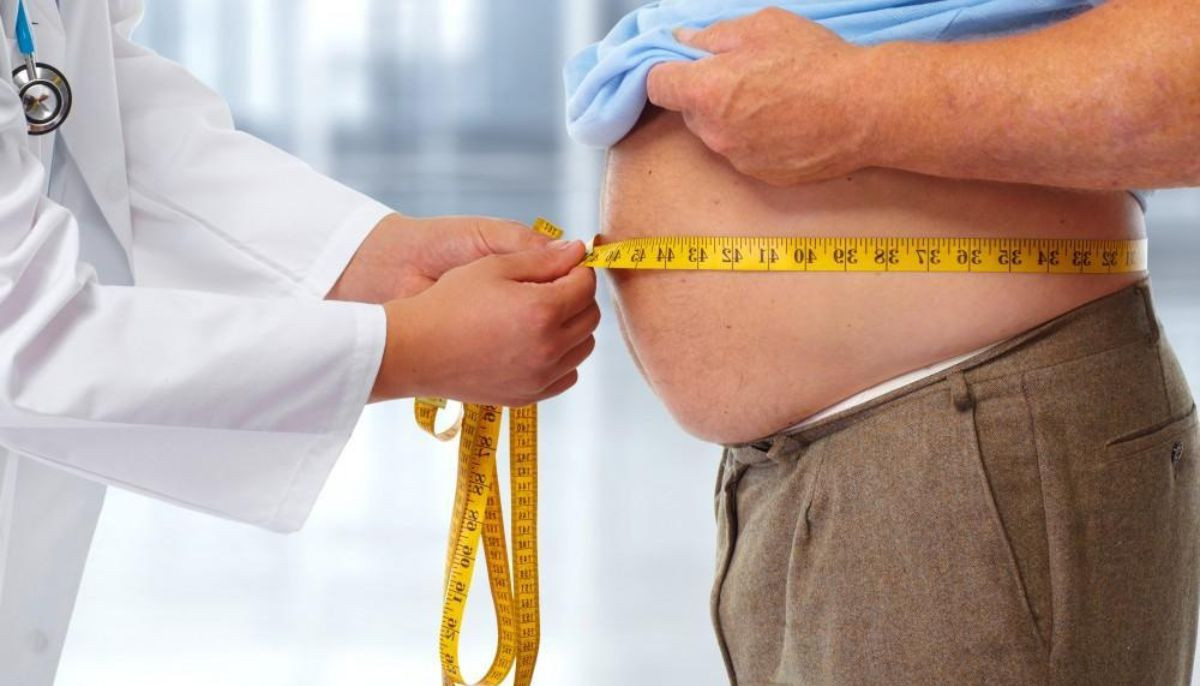
The danger lies in the silent, long-term impact of adipose tissue. Excess fat can trigger chronic inflammation and insulin resistance, which eventually strain the heart. Dr Kumar warns, “Fitness does not completely neutralise the cardiovascular risks associated with excess body fat.”
Furthermore, the location of fat is crucial; visceral fat surrounding internal organs poses a higher risk than fat stored under the skin.
Ultimately, while exercise significantly improves metabolic health, managing weight remains essential to prevent "inflammation, insulin resistance, raised triglyceride levels, atherosclerosis," and other complications that could lead to heart failure or stroke later in life.
Note to readers: This article is for informational purposes only and not a substitute for professional medical advice. Always seek the advice of your doctor with any questions about a medical condition.