Home / Lifestyle
Does hair dye cause dryness? Dermatologist tips for coloured hair care
Hair colour can transform your appearance enhancing your overall look
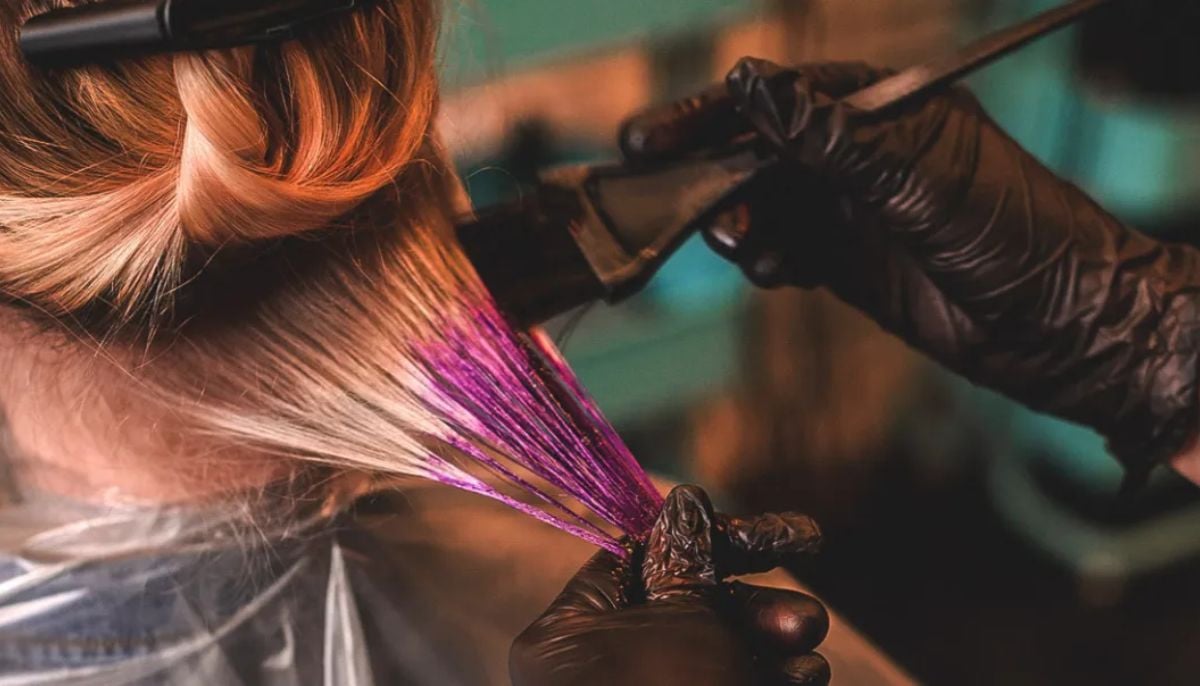
Hair colour can transform your appearance, almost feeling like a fresh 'vibe shift', enhancing your overall look.
While it gives you a chance to reinvent and have fun with your style, it can come with some negatives too. One of those is that it can damage the texture of your hair.
In a chat with HT Lifestyle, Dr. Rinky Kapoor, who is the co-founder and director at The Esthetic Clinics, mentioned that one consequence of dyeing is dry hair. Her confirmation about dyeing making hair dry is related to the chemicals used in hair dyes.
The process of changing your hair colour involves chemical reactions that alter the hair's structure, leading to dryness and potential damage.
The doctor explained, "Most permanent and semi-permanent hair dyes use hydrogen peroxide and ammonia, which lift the hair’s cuticle layer to place color into the cortex. This naturally disrupts the hair shaft's structure. Normally, the cuticle lies flat and acts as a shield, but it stays lifted and rough post-dyeing, allowing moisture to leave more easily than it would from healthy, untreated hair.”
She highlighted that because hair dyes rely heavily on robust chemicals to alter hair colour, they break open the outer layers of your hair so the colour can penetrate deeply, which weakens your hair's natural resilience.
After the colouring process, the hair doesn’t return to its smooth and protected state, causing the cuticle to remain open and lose moisture easily.
Dr. Kapoor further stated that indeed, hair becomes dry, fragile, and more susceptible to breaking.
Additionally, if you’re opting for stronger dyes, the risk increases. She added a serious caution about bleaching, “Darker dyes that use more peroxide cause more intense cuticle disruption. Bleaching is extremely damaging as it removes the hair's natural pigment and essential lipids simultaneously, making it very porous and highly susceptible to losing moisture.”
So bleaching not only lightens your hair's color but also strips it of natural elements that keep it healthy.
Proper care after dyeing is crucial. You must handle coloured hair differently than untreated hair, requiring more attention.
The dermatologist shared some tips, “Start by using a shampoo free of sulfates, as sulfates remove the colour and further dry out the already fragile hair shaft. Incorporating a weekly protein-rich hair mask into your routine is also beneficial, as it can temporarily reconstruct the cuticle and restore lost keratin. Look for ingredients like hydrolysed keratin, ceramides, and bond-building complexes in the products you choose.”