Home / Crime
Survivors triumph as police dismissal fails against kidnapper
Denise Huskins and her boyfriend, Aaron Quinn, were asleep when masked intruder broke into their home
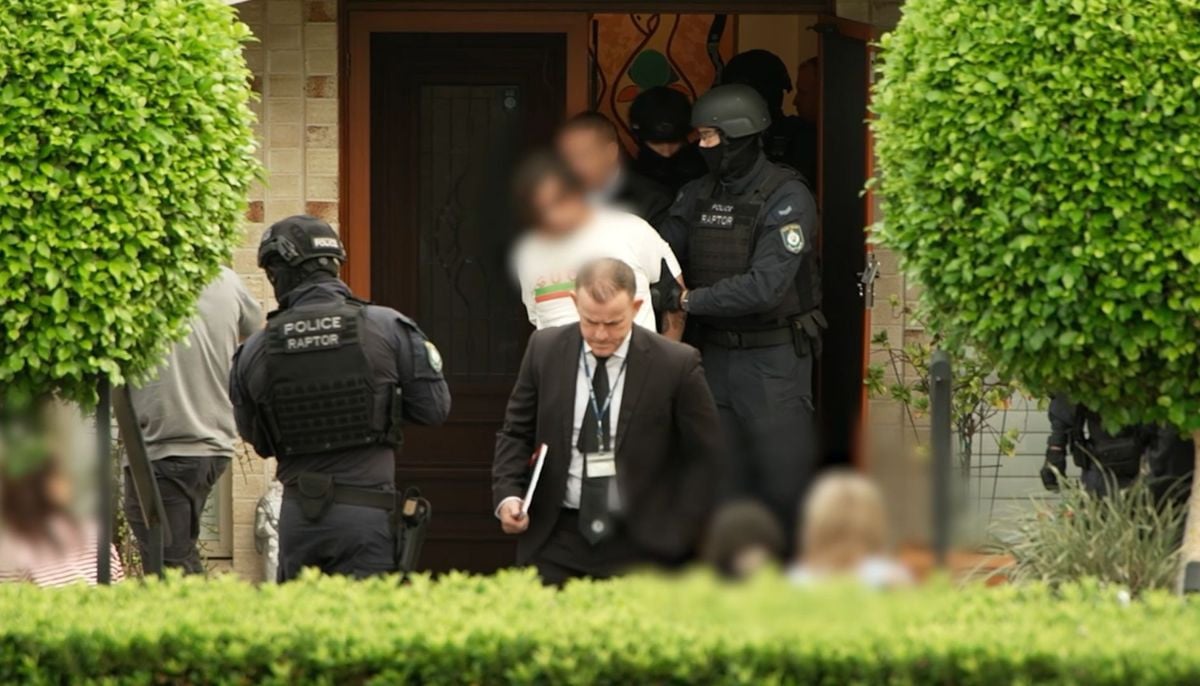
In the early hours of March 23, 2015, what began as a terrifying home invasion in Vallejo, California, quickly spiraled into one of the most controversial criminal cases in recent memory — one that would later expose failures in law enforcement and ultimately lead to a serial offender’s conviction.
Denise Huskins and her boyfriend, Aaron Quinn, were asleep when a masked intruder — later dubbed “The Voice” — broke into their home.
Using flashing lights, recorded commands, and threats, the assailant bound the couple, forced them to ingest a sedative, and abducted Huskins, claiming she would be held for ransom.
After regaining consciousness, Quinn faced a dilemma: follow the kidnapper’s warning not to involve police or risk Huskins’ life — or call for help. He ultimately dialed 911.
But instead of launching a full-scale search, investigators with the Vallejo Police Department quickly grew suspicious.
Detectives suggested Quinn’s account was too far-fetched and began treating him as a suspect, even implying Huskins had been killed.
As media coverage intensified, public perception turned harsh. Dubbed the “real-life Gone Girl” — a reference to the popular novel and film — the case was widely dismissed as a hoax staged by the couple.
Days later, Huskins resurfaced in Huntington Beach, over 400 miles away. She told authorities a story nearly identical to Quinn’s: she had been held captive, drugged, and sexually assaulted.
Yet skepticism persisted. Police publicly questioned the couple’s credibility and delayed key investigative steps, including a timely forensic exam.
For months, the case remained clouded by doubt — until a break came from an unrelated crime.
In June 2015, a home invasion in Dublin, California, led investigators to a suspect: Matthew Muller, a Harvard-educated attorney and former Marine.
Evidence recovered from his South Lake Tahoe cabin — including Quinn’s stolen laptop and items linked to Huskins’ abduction — confirmed he was behind the attack.
Muller eventually pleaded guilty and was sentenced to 40 years in prison for the kidnapping and a separate Dublin case.
His arrest vindicated Huskins and Quinn, who later reached a $2.5 million settlement with the City of Vallejo over the mishandling of the investigation.
Years later, renewed efforts by investigators — including Seaside Police Chief Nick Borges and El Dorado County District Attorney Vern Pierson — uncovered a broader pattern of crimes.
Through letters and interviews, Muller confessed to multiple additional attacks spanning decades, including a 1993 assault when he was just 16 and a previously unreported home invasion shortly after the Huskins kidnapping.
Investigators corroborated key details, even locating physical evidence years later.
In 2025, Muller was convicted on new charges and sentenced to four additional life terms.
Despite the convictions, questions remain — particularly whether Muller acted alone.
While he maintains he was a lone perpetrator who used elaborate tactics to simulate multiple attackers, some investigators and the victims themselves remain unconvinced.
Today, Huskins and Quinn have rebuilt their lives, marrying and starting a family. They have also become advocates for victims’ rights, speaking out about the trauma of not being believed.
Their case, once dismissed as fiction, is now cited as a cautionary tale in policing — underscoring the consequences of premature conclusions and the importance of listening to victims.
As Quinn put it, the hope is not perfection, but progress: that mistakes are acknowledged, lessons are learned, and future victims are treated with the dignity they deserve.