Home / Lifestyle
Study finds matcha could quiet brain signals that trigger sneezing
Researchers found fewer allergy-like symptoms in mice given matcha extract
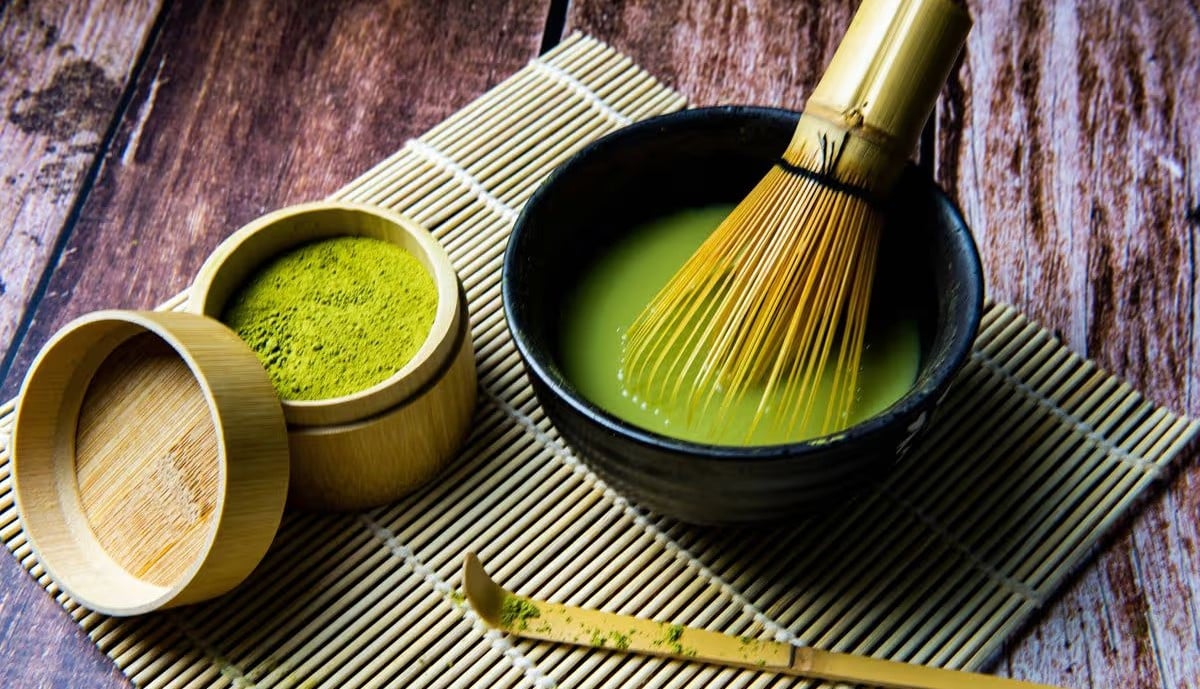
A new study suggests that matcha could potentially ease sneezing during allergy season by influencing brain signals linked to the reflex, offering early insight into how the popular green tea powder may play a role in symptom relief.
The research, published in NPJ Science of Food and conducted by scientists at Hiroshima University, examined the effects of matcha extract on allergy-like symptoms in mice and found a notable reduction in sneezing after exposure to allergens.
According to lead researcher Professor Osamu Kaminuma, the effect appears to be tied not to the immune system itself, but to changes in brainstem activity that regulates the sneezing reflex.
“We do not expect matcha to have a substantial therapeutic effect on allergy itself, although it may provide some symptomatic benefit by alleviating allergy-associated sneezing,” Kaminuma said.
The study found that while mice given matcha sneezed significantly less, key immune functions — including IgE responses, mast cells, and T cells — remained unchanged, suggesting the impact was neurological rather than immunological.
Experts say compounds found in matcha, including catechins, epigallocatechin gallate (EGCG), and quercetin, may contribute to its effects on allergy-related symptoms such as sneezing, nasal irritation, and itchy eyes. However, specialists stress that the findings are still preliminary.
Dietitian Keri Gans noted that the research was conducted on animals, adding that human studies are needed before drawing firm conclusions.
Allergists also cautioned against overreliance on matcha as a treatment. Dr. Sebastian Lighvani described the findings as “fascinating,” saying the tea appears to affect signaling pathways tied to sneezing, but not the underlying allergy itself.
Dr. Catherine Monteleone of Rutgers Robert Wood Johnson Medical School emphasized that matcha should not replace standard allergy medications, noting that it may only address limited symptoms.
Meanwhile, Dr. David Corry of Baylor College of Medicine advised moderation, warning against excessive intake despite the potential benefits, and recommending no more than two to three cups per day.