Home / Lifestyle
How to safely incorporate matcha into daily routines for symptomatic relief
Matcha should not replace standard medical treatments for chronic seasonal allergies
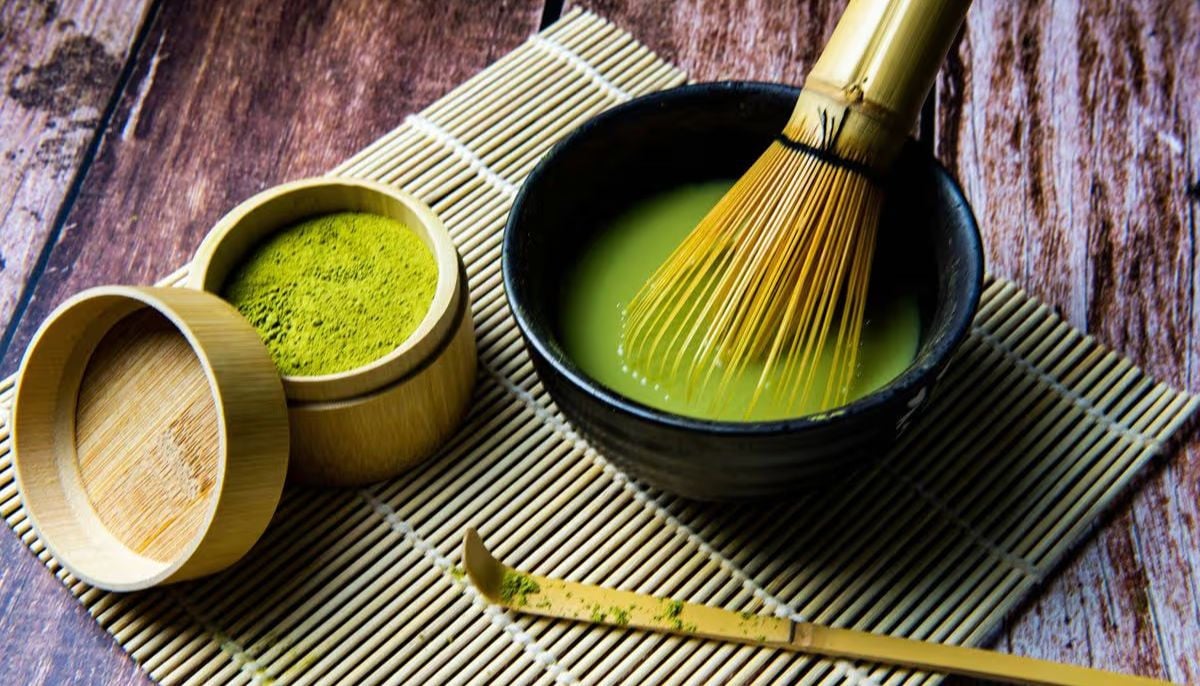
A new study highlights a potential link between matcha and reduced sneezing, offering fresh insight into seasonal allergy relief.
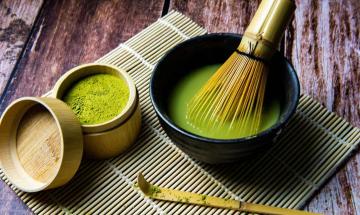
Research published in NPJ Science of Food examined how matcha affects allergy-like symptoms.
Scientists from Hiroshima University, alongside Professor Osamu Kaminuma, discovered that matcha reduces brain activity controlling the sneezing reflex.
The report clarified that this occurs without affecting normal immune system functions, specifically leaving IgE, mast cells, and T cells intact.
Identifying the symptoms
The study found that subjects given matcha extract sneezed significantly less when exposed to allergens. Experts believe specific compounds contribute to these effects, including:
- Catechins
- Epigallocatechin gallate (EGCG)
- Quercetin
Allergist-Immunologist Catherine Monteleone noted that these elements may help reduce nasal itching and itchy eyes.
However, Sebastian Lighvani of Northwell Lenox Hill Hospital described the findings as "fascinating", stating, "Matcha seems to abolish signalling related to sneezing." Despite this, doctors stress that matcha should not replace standard treatments.
Dietary recommendations
While the findings show promise, experts urge caution regarding consumption levels and the need for human trials. To use matcha safely, consider the following:
- Keep intake limited to no more than two to three cups per day.
- Do not expect a substantial therapeutic effect on the allergy itself.
- Continue using prescribed allergy medications as necessary.
Dietitian Keri Gans added, "However, this was an animal study, so we need human research before drawing firm conclusions."
David Corry of Baylor College of Medicine cautioned against excessive intake, advising against drinking eight to ten cups daily.
Please Note: This information is for educational purposes only and does not count as professional advice.