Home / Entertainment
Walter Triplett Jr. granted judicial release after fifteen years in prison for 2009 killing
Walter Triplett Jr. continues to argue that he was protecting his twin sister during a fatal bar brawl
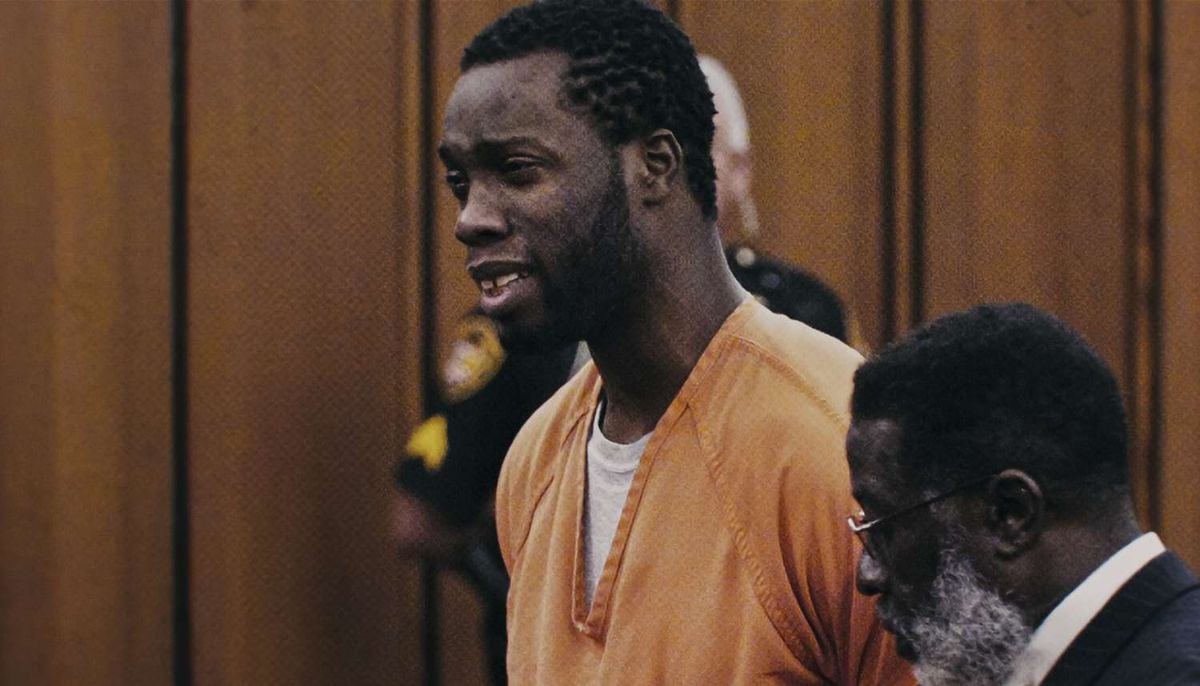
- Walter Triplett Jr. was released from Richland Correctional Institution in the spring of 2025
- The 2009 death of Michael Corrado resulted from a single punch during a bar fight
- Triplett’s original conviction was overturned before he was re-sentenced to 20 years
Walter Triplett Jr., the focus of a recent season of Netflix's I Am a Killer, has been released from prison after serving fifteen years of a twenty-year sentence.
According to records from the Ohio Department of Rehabilitation & Correction, Triplett was granted judicial release in the spring of 2025.
This legal mechanism in Ohio allows for an inmate's early release if they meet specific qualifications and succeed in a court hearing.
Triplett had been serving his time at the Richland Correctional Institution in Mansfield following a high-profile case involving a fatal 2009 altercation in Cleveland.
The incident occurred on 30 April 2009, when a fight broke out at a Cleveland bar involving Triplett’s family and another group.
Triplett maintains that he acted to protect his twin sister, Waltonya, who had been punched during the scuffle. In response, Triplett struck 22-year-old Michael Corrado, who fell and suffered a fatal head injury after hitting a curb.
While Triplett has consistently expressed sorrow for Corrado’s family, he continues to believe the group that "chased" his family was responsible for the escalation.
"Once they made the choice to chase us out and attack my sister, my choice will always be the same... to protect my family," he stated in the docuseries.
The legal journey for Triplett was complex, involving an initial 18-year sentence for felonious assault that was later overturned due to "erroneous and confusing" jury instructions.
However, a 2011 retrial resulted in convictions for both felonious assault and involuntary manslaughter, leading to a maximum sentence of 20 years.
Triplett has frequently cited racial bias in his trials, noting the lack of diversity on his juries in a city with a significant Black population.
Now back in the community, Triplett’s case remains a point of contention between those who view him as a family protector and those who see his actions as a disproportionate use of violence.