Home / Lifestyle
Expert explains how stress triggers silent inflammation in oral tissues
Higher cortisol levels impair immunity and increase vulnerability to bacterial gum infections
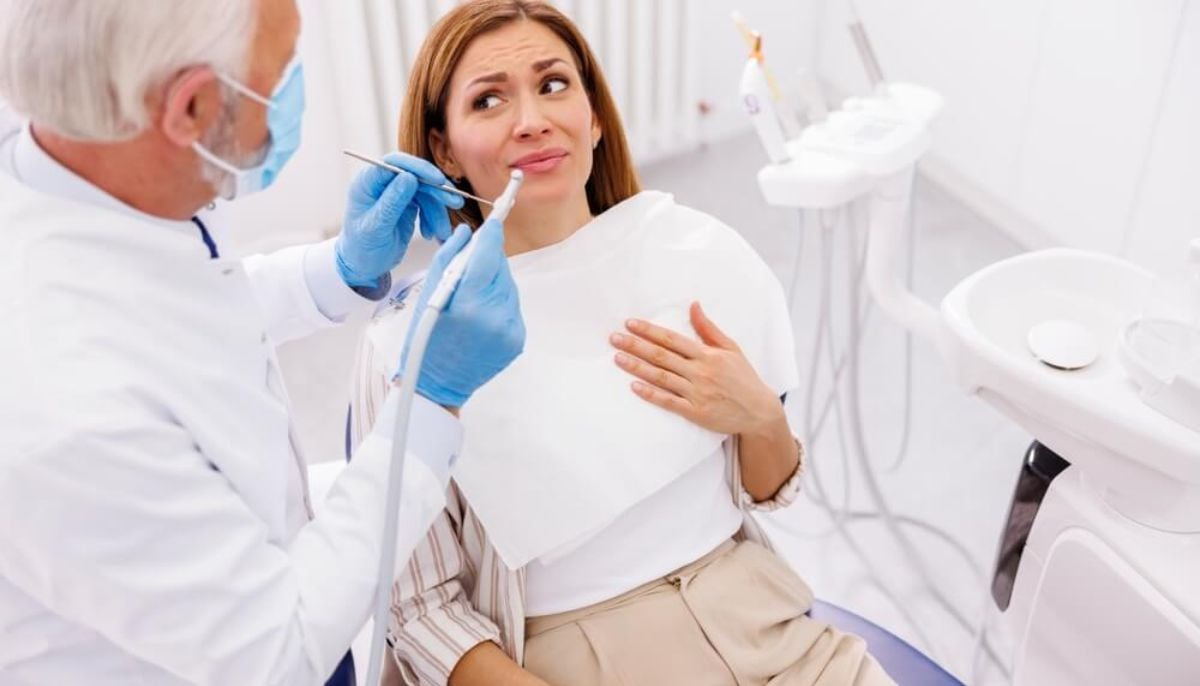
Stress is frequently equated with exhaustion or emotional strain, yet its effects extend well beyond these. In an exclusive conversation with HT Lifestyle, Dr Tania Nijhawan, Founder of Udana Wellness and a specialist in cosmetic dentistry, revealed how the mouth acts as an early indicator of systemic pressure.
Dr Tania said, “Gum inflammation is one of the most prevalent ways that stress affects the mouth.” She explained that long-term stress prompts the body to create more cortisol, which impairs immunity.
According to Dr Nijhawan, the primary impacts include:
- Gum inflammation: Increased vulnerability to infections, leading to swelling, tenderness, or bleeding.
- Bruxism: Unconscious clenching or grinding that erodes enamel and causes facial pain.
- Reduced saliva flow: Dryness that neutralises the mouth's ability to wash away debris and acids.
- Dietary shifts: Increased consumption of sugar and caffeine, which encourages plaque formation.
Bruxism and reduced saliva flow
Many individuals remain unaware of bruxism because it often occurs during sleep. This constant pressure can result in tiny fractures or headaches.
Furthermore, when stress reduces saliva, the risk of infections and persistent bad breath increases. Dr Tania added, “Long-term stress causes the body to create more cortisol, a hormone that can impair immunity and heighten inflammatory reactions.”
Impacts dietary habits
Dr Nijhawan highlighted that nutritional deficiencies during prolonged stress contribute to painful mouth ulcers and delayed healing.
Digestive problems and weakened immunity further exacerbate these conditions, leading to recurrent canker sores.
While these symptoms may appear minor, they often reflect deeper imbalances that require attention to maintain long-term dental hygiene and overall wellness.
"Please Note: This information is for educational purposes only and does not count as medical advice. Readers should always consult a qualified doctor regarding any questions about their health or a medical condition."