Home / Lifestyle
Expert identifies seven practical hacks for overcoming seasonal sleep struggles
Using breathable cotton sheets and blackout curtains protects against early morning light
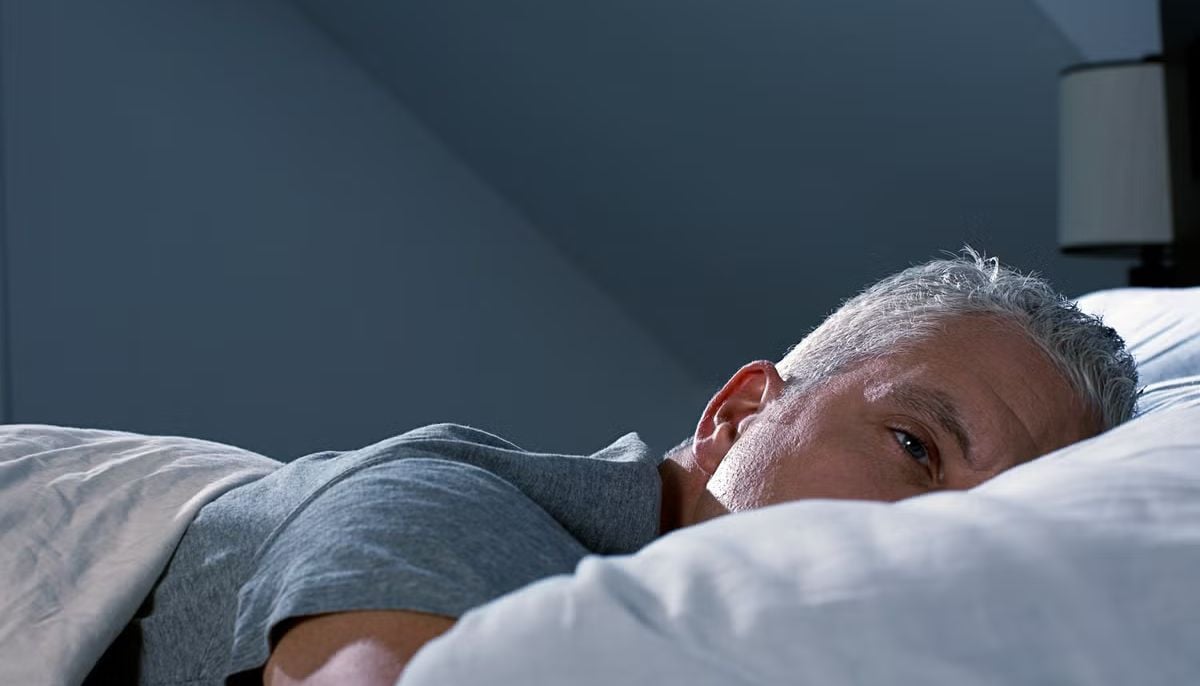
Nighttime rest is a foundational pillar of recovery, yet the summer season presents unique physiological challenges.
Dr Rahul Modi, an ENT consultant at Kokilaben Dhirubhai Ambani Hospital in Mumbai, shared expert insights to HT Lifestyle.
He explained that the body naturally prepares for rest by dropping its core temperature. Dr Rahul Modi said, “The body prepares for sleep by dropping its core temperature in the evening."
However, hot weather and high humidity interfere with this cooling process, while extended daylight and screen use delay melatonin release.
How to fall asleep quickly?
To combat these disruptions, Dr Modi recommended several practical interventions to help the body transition into sleep:
- Cool the room down before you sleep: Aim for 24 to 26 degrees Celsius using air conditioning, fans, or breathable cotton bedding.
- Give your eyes a break from screens: Avoid devices and dim lights at least one hour before bed to allow melatonin levels to rise.
- Pick a sleep and wake time: Sticking to a consistent schedule, even on weekends, settles the circadian rhythm.
- Lukewarm shower 30 minutes before bed: This gradually lowers core temperature, providing a better signal for sleep than cold showers.
- Hydrate through the day: Avoid front-loading fluids at night to prevent waking up for bathroom visits.
- Keep the last meal light: Finish caffeine by early afternoon and avoid heavy dinners to prevent pushing sleep onset back.
- Block out early morning light: Use blackout curtains or an eye mask if the sunrise occurs before your wake-up time.
If sleep disruptions remain consistent and leave an individual feeling unrefreshed daily, professional medical attention should be sought.
Prioritising these hacks can help reclaim the restorative power of a full night's rest during the peak of summer.
Please Note: This information is for educational purposes only and does not count as professional advice.