Home / Lifestyle
How to identify dehydrated skin through texture changes and increased sensitivity
Increased oiliness and under eye shadows frequently indicate serious internal fluid depletion
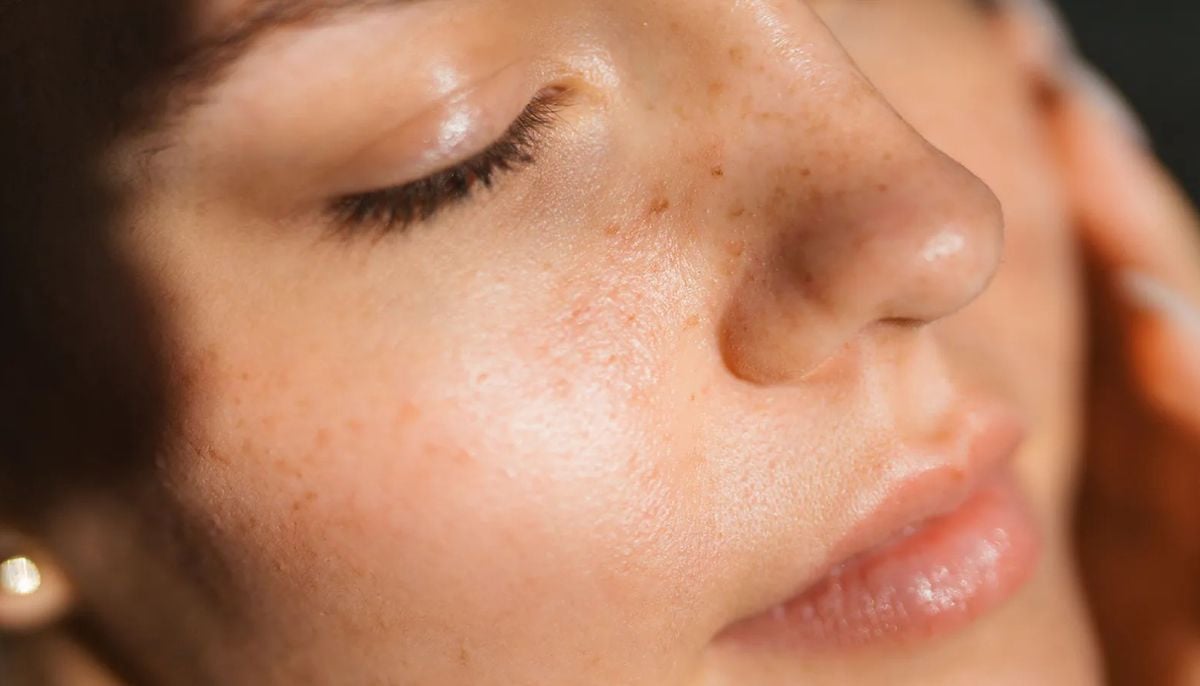
Dehydration is a common concern during summer, but its impact extends beyond internal systems to the skin barrier. Dr Nirupama Parwanda, a dermatologist and founder of Zolie Skin, explained that extreme temperatures and sunlight increase 'transepidermal water loss' (TEWL).
This process directly compromises the skin's protective functions. Dr Parwanda clarified, “During the summer season, extreme temperatures, sweat and prolonged exposure to sunlight may increase transepidermal water loss (TEWL), resulting in dehydrated skin.”
Signs of dehydrated skin
No skin type is immune to dehydration, as it is a transitional condition affecting oily, dry, and combination types alike. The dermatologist listed several indicators:
- Tightness after cleaning and tired-looking skin.
- Fine lines are prominent around the eyes and mouth.
- Increased sensitivity, itchiness, and reactivity.
- Redness and a stinging sensation when applying products.
- Irregular, uneven skin texture and prominent under-eye shadows.
Interestingly, Dr Parwanda noted, “Dehydration may also manifest itself in the form of oiliness.” Even a greasy complexion can lack essential water, leading to clogged pores and inflammation.
How to manage dehydrated skin?
Managing summer skin requires a combination of internal hydration and targeted topical support. Dr Parwanda recommended the following measures:
- Ensure adequate intake of fluids and water-rich foods.
- Apply humectants like hyaluronic acid and glycerin.
- Use ceramides, panthenol, and niacinamide to fix the barrier.
- Choose gentle cleansers to avoid further damage.
- Apply broad-spectrum sunscreen to prevent UV-induced water loss.
- Avoid over-exfoliation as it spikes more water loss from skin.
"Please Note: This information is for educational purposes only and does not count as medical advice. Readers should always consult a qualified doctor regarding any questions about their health or a medical condition."