Home / Lifestyle
How to identify silent markers for cardiovascular and brain health
Improving nutrient absorption is vital for maintaining healthy neurological functions
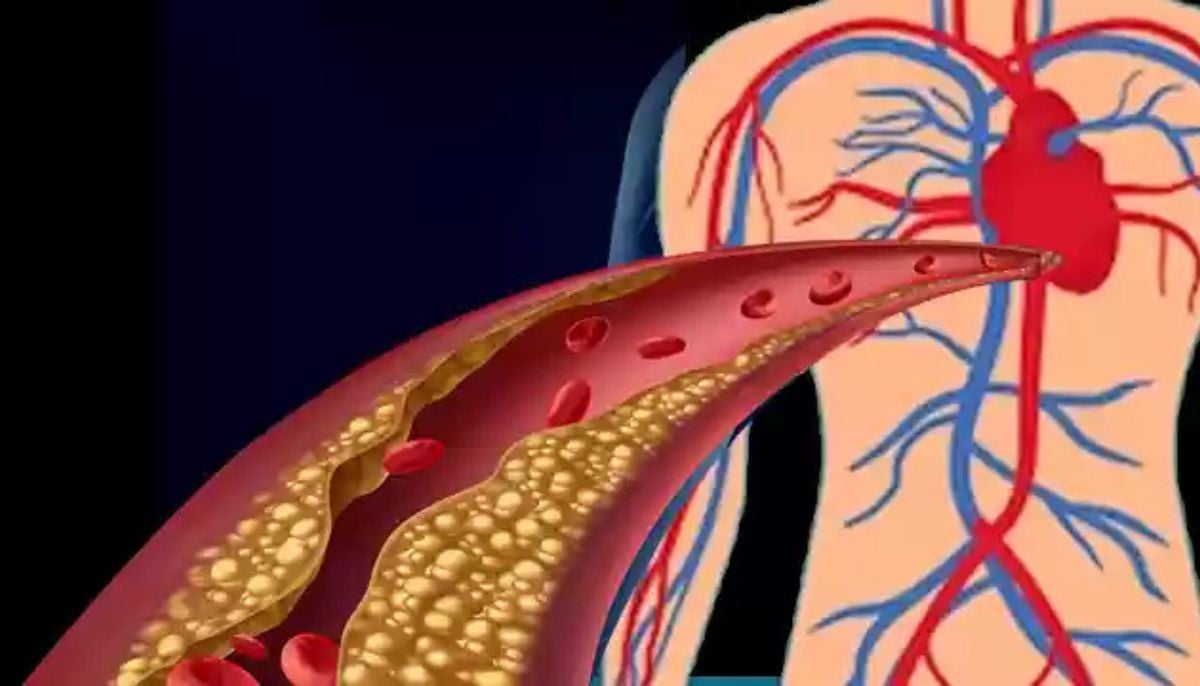
Fitness enthusiasts frequently discuss protein, yet many overlook how the body processes it. Dr Vassily Eliopoulos, a longevity expert and co-founder of Longevity Health, recently highlighted a silent marker called homocysteine.
On Wednesday, he explained on Instagram that this amino acid is produced when the body breaks down methionine from protein.
While it is usually recycled by vitamins B12, B6, and folate, a breakdown in this system causes homocysteine to build up. "It impacts your cardiovascular risk, brain ageing, methylation, and mood," Dr Vass noted.
When levels become elevated, the consequences can be severe. The physician warned that high levels are linked to several negative effects:
- Stroke and clotting events.
- Alzheimer's and cognitive decline.
- Mood disorders such as anxiety or depression.
- Infertility and pregnancy complications.
How to safely lower the homocysteine level
According to the report, the optimal range for homocysteine is less than 9umol/L. This threat is often overlooked because it is not included in standard lipid panels.
To maintain healthy levels, Dr Vass suggested addressing gut absorption, stress, and alcohol intake. He also recommended specific supplements:
- Vitamin B12 (methylcobalamin or adenosylcobalamin).
- Folate (as methylfolate or folinic acid, not folic acid).
- Vitamin B6 (P5P form).
- Magnesium and zinc.
Dr Vass concluded that a normal cholesterol panel does not guarantee cardiovascular safety. "Homocysteine is silent, damaging, and fixable, if you test for it," he observed. He urged patients to include this marker in their regular check-ups to protect both heart and brain health.
Please Note: This information is for educational purposes only and does not count as professional advice. Readers should always consult a qualified doctor regarding any questions about their health or a medical condition.