Home / Lifestyle
How brain regions linked to breathing potentially trigger high blood pressure
Targeting neck sensors may offer a way to treat blood pressure without brain-penetrating drugs
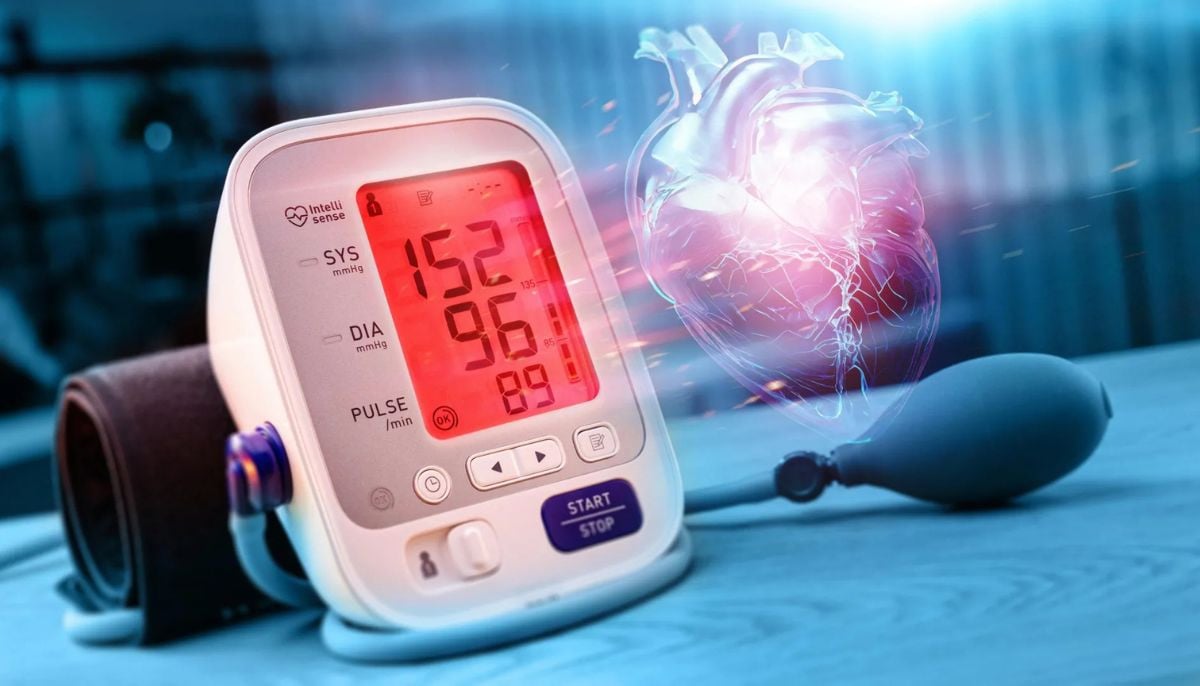
A new study has found evidence that a specific brain region could be contributing to some cases of high blood pressure.
According to research carried out by teams from the University of São Paulo and the University of Auckland, the lateral parafacial (pFL) brain region can trigger biological changes that raise blood pressure.
This region is typically linked to breathing control, specifically the forceful exhalations that occur during exercise or laughter.
On Friday, physiologist Julian Paton noted that in hypertensive conditions, these neurons also act to constrict blood vessels.
Identifying the symptoms
The pFL neurons may link changes in breathing rhythms to increased activity in the sympathetic nervous system, our "fight-or-flight" response.
This connection helps explain why individuals with sleep apnea face a higher risk of hypertension. The researchers highlighted key findings from their study:
- pFL neurons fire up in response to high carbon dioxide or low oxygen levels.
- Over 50 percent of hypertension patients may have a neurogenic component.
- Around 40 percent of individuals still have uncontrolled blood pressure despite medication.
The restorative pathway
The study suggests that targeting carotid bodies, which are cell clusters in the neck, could remotely inactivate the pFL region.
"Our goal is to target the carotid bodies, and we are importing a new drug that is being repurposed by us to quench carotid body activity," Paton explained.
This strategy aims to safely manage blood pressure without requiring drugs to penetrate the brain. Extensive testing will follow to confirm these results in human subjects.
Please Note: This information is for educational purposes only and does not count as professional advice. Readers should always consult a qualified doctor regarding any questions about their health or a medical condition.