Home / Lifestyle
New medical insights reveal hidden factors influencing women's hormonal health
Dr Kunal Sood warns that chronic stress may suppress the hypothalamic-pituitary-ovarian axis
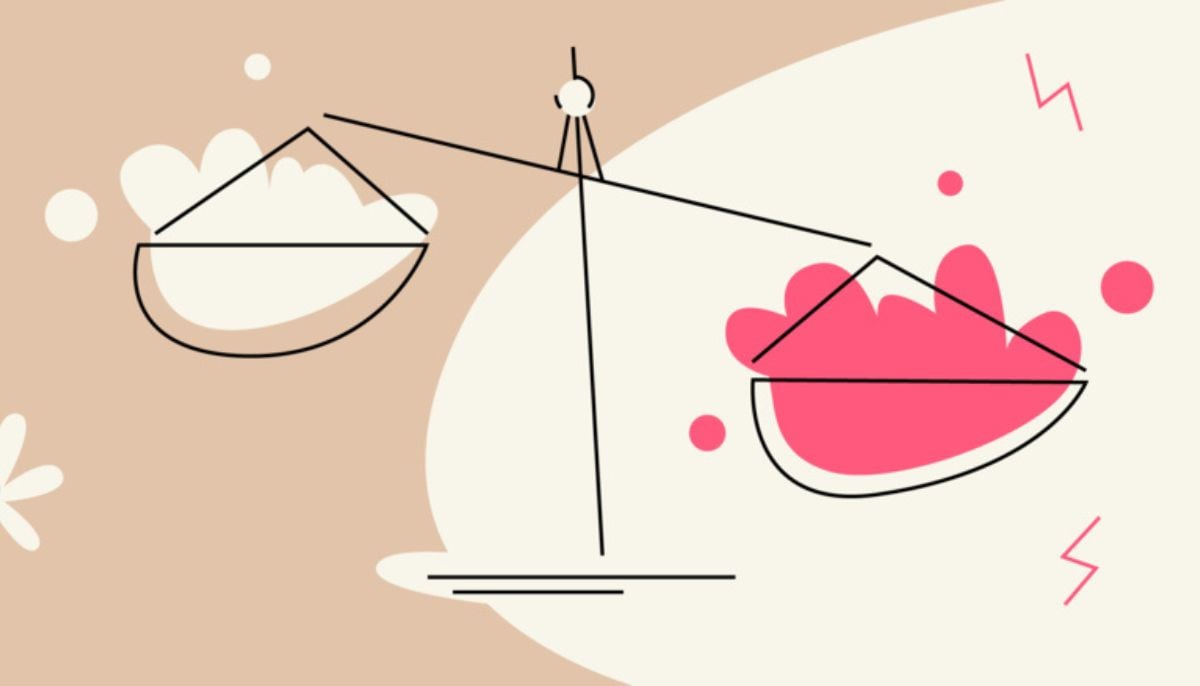
Women’s hormonal health is frequently reduced to a single visible marker, but the internal reality is far more complex.
Dr Kunal Sood, an anaesthesiologist and interventional pain medicine physician, is shedding light on why a predictable cycle does not always reflect optimal health.
In an Instagram video shared on Wednesday, he explained that underlying factors like thyroid function and insulin resistance can be imbalanced even when periods appear regular.
"Symptoms like PMS severity, acne, fatigue, or mood changes often reflect these underlying shifts," he noted.
Poor sleep disrupts hormone signalling
Daily habits play a significant role in internal regulation. Both reproductive and stress hormones are closely governed by sleep and the body’s circadian rhythm.
Poor sleep quality can flatten normal cortisol rhythms and interfere with the signalling required for proper follicle development.
To support hormonal balance, the physician highlighted the following lifestyle considerations:
- Prioritise consistent sleep to regulate the HPA-axis.
- Manage chronic stress to avoid suppressing reproductive axes.
- Stabilise blood sugar to prevent irritability and cravings.
- Supplement with magnesium to reduce fluid retention.
- Use omega-3s for metabolic and anti-inflammatory support.
Dr Sood emphasised that glucose levels and reproductive hormones influence each other, with insulin affecting sex hormone-binding globulin. Chronic stress, he warned, can delay ovulation by disrupting essential signalling.
While supplements act as symptom modulators rather than "hormone resets," they provide a foundation for a less symptom-prone environment. This research builds upon his previous work regarding pain management and systemic wellness.
Please Note: This information is for educational purposes only and does not count as professional advice. Readers should always consult a qualified doctor regarding any questions about their health or a medical condition.